


'%20clip-path='url(%23master_svg0_435_106539/302_155699)'%3e%3cg%20transform='matrix(0,1,1,0,-10,10)'%3e%3cpath%20d='M4.64651757818006,15.35348295818006Q4.57620548818006,15.283170878180059,4.538152908180059,15.19130372818006Q4.500100258180059,15.09943655918006,4.500100258180059,15.00000026818006Q4.500100288180059,14.950764414180059,4.50970571818006,14.90247461918006Q4.519311158180059,14.854184818180059,4.538152908180059,14.80869683818006Q4.556994648180059,14.76320883818006,4.5843486181800595,14.72227072818006Q4.6117025881800595,14.68133261818006,4.646517608180059,14.64651760818006Q4.681332618180059,14.611702588180059,4.722270728180059,14.58434864818006Q4.763208838180059,14.55699467818006,4.80869683818006,14.53815292818006Q4.85418481818006,14.51931115818006,4.90247461918006,14.50970571818006Q4.9507644141800595,14.50010028818006,5.0000002681800595,14.50010025818006Q5.0994365591800594,14.50010025818006,5.19130372818006,14.53815290818006Q5.2831708781800595,14.57620548818006,5.353482958180059,14.64651757818006L5.35355364818006,14.64644688818006L8.00000026818006,17.29289366818006L10.64644696818006,14.64644688818006L10.646517568180059,14.64651757818006Q10.71682956818006,14.57620548818006,10.808696968180058,14.53815290818006Q10.90056446818006,14.50010025818006,11.00000026818006,14.50010025818006Q11.049235568180059,14.50010028818006,11.09752536818006,14.50970571818006Q11.14581516818006,14.51931115818006,11.19130356818006,14.53815290818006Q11.236791368180059,14.55699464818006,11.277729768180059,14.58434861818006Q11.318667668180058,14.611702588180059,11.35348296818006,14.64651760818006Q11.388298268180058,14.68133261818006,11.415652068180059,14.72227072818006Q11.443005868180059,14.76320883818006,11.461847568180058,14.80869683818006Q11.48068926818006,14.854184818180059,11.49029476818006,14.90247461918006Q11.499900168180059,14.950764414180059,11.499900168180059,15.00000026818006Q11.49989966818006,15.09943664118006,11.461846668180058,15.191303868180059Q11.42379406818006,15.28317108818006,11.35348246818006,15.35348319818006L11.353553068180059,15.353553648180059L8.35355356818006,18.35355356818006Q8.283227468180058,18.42387966818006,8.191341868180059,18.46193986818006Q8.099456068180059,18.50000006818006,8.000000068180059,18.50000006818006Q7.9005439681800596,18.50000006818006,7.80865836818006,18.46193986818006Q7.71677286818006,18.42387966818006,7.64644696818006,18.35355356818006L4.646446888180059,15.353553648180059L4.64651757818006,15.35348295818006Z'%20fill-rule='evenodd'%20fill='%23A0A2A2'%20fill-opacity='1'%20style='mix-blend-mode:passthrough'/%3e%3c/g%3e%3c/g%3e%3c/svg%3e)
'%3e%3cg%20transform='matrix(0,-1,1,0,-4,14)'%3e%3cpath%20d='M4.57582074,9.42417926Q4.49144626,9.33980477,4.44578308,9.22956416Q4.40011996,9.11932355,4.40011996,9Q4.40012002,8.940916978,4.41164654,8.88296923Q4.42317307,8.82502148,4.4457832,8.77043588Q4.46839327,8.71585029,4.50121802,8.66672456Q4.53404278,8.61759883,4.5758208,8.5758208Q4.61759883,8.53404278,4.6667245600000005,8.50121802Q4.71585029,8.46839321,4.77043588,8.44578314Q4.82502148,8.42317307,4.88296923,8.41164649Q4.940916978,8.40012002,5,8.40011996Q5.11932355,8.40011996,5.22956416,8.44578314Q5.33980477,8.49144626,5.42417926,8.57582074L5.4242640699999995,8.57573593L8,11.1514719L10.575736,8.57573593L10.5758209,8.57582062Q10.6601949,8.4914462,10.770435299999999,8.44578314Q10.880676300000001,8.40012002,11,8.40011996Q11.059083000000001,8.40012002,11.117030100000001,8.41164654Q11.1749778,8.42317307,11.229563200000001,8.4457832Q11.2841492,8.46839327,11.3332748,8.50121802Q11.3824005,8.53404278,11.4241791,8.5758208Q11.4659567,8.61759883,11.4987817,8.66672456Q11.531606700000001,8.71585029,11.5542164,8.77043588Q11.5768266,8.82502148,11.5883532,8.88296923Q11.599880200000001,8.940916978,11.599880200000001,9Q11.599880200000001,9.1193236,11.5542164,9.22956422Q11.5085535,9.33980486,11.4241791,9.42417938L11.424264,9.42426407L8.424264,12.424264Q8.3398728,12.508655300000001,8.229610000000001,12.5543277Q8.1193473,12.5999999,7.999999799999999,12.5999999Q7.8806524,12.5999999,7.7703898,12.5543275Q7.6601272,12.5086551,7.5757358,12.424264L4.5757359300000005,9.42426407L4.57582074,9.42417926Z'%20fill-rule='evenodd'%20fill='%23000000'%20fill-opacity='1'/%3e%3c/g%3e%3c/g%3e%3c/svg%3e)

In the age of smartphone photography, there is a growing fascination with the look of early digital cameras. The softened color rendering, halation from direct flash sources, and unique image texture of CCD sensors have captured the public imagination. For many enthusiasts, the appeal of Japanese CCD cameras goes beyond aesthetics; it represents a chance to hold a piece of imaging history.
This guide covers why CCD cameras are gaining attention, highlights some of the most collectible and usable models from Japanese brands, and offers a step‑by‑step approach to safely purchasing them from the Japanese second‑hand market using the proxy service Rakufun.
Table of Contents
- What Are CCD Cameras?
- Why CCD Cameras Are So Hot?
- Best CCD Cameras from Japan
- How to Buy CCD Cameras from Japan with Rakufun
- Tips for Buying Second‑Hand CCD Cameras from Japan
- Frequently Asked Questions (FAQ)
- Final Thoughts
What Are CCD Cameras?
CCD stands for Charge‑Coupled Device. Before CMOS sensors became the industry standard, nearly all digital cameras used CCD sensors. These sensors capture light differently, producing a characteristic color response often described as vivid yet slightly muted, with smooth tonal transitions. Many photographers feel CCD sensors render skin tones and skies more naturally than early CMOS sensors.
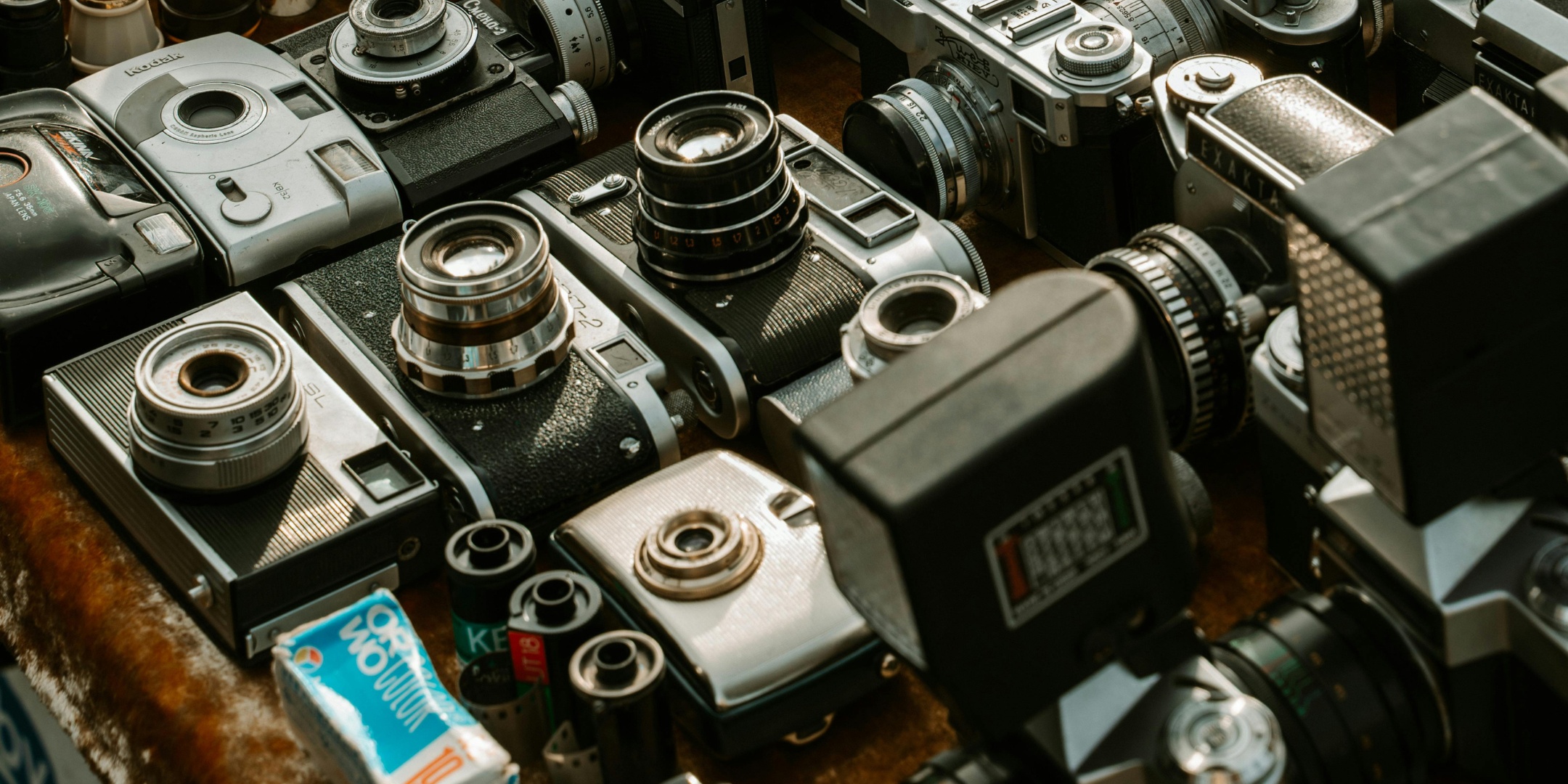
However, CCD sensors also have drawbacks: they consume more power, shorten battery life, and produce more heat, limiting video capabilities. That is why the industry shifted to CMOS. But for collectors and enthusiasts seeking a specific analog feel, CCD cameras offer a unique shooting experience that modern cameras rarely replicate.
Why CCD Cameras Are So Hot?
Over the past few years, CCD cameras have moved from forgotten electronics to coveted collectibles. Several trends have contributed to this revival.
Nostalgia and aesthetics. In 2026, the camera world is not solely focused on megapixels. People are drawn to the soft highlights, aged color rendition, and direct flash pop that characterize early digital images – subtle imperfections that modern smartphones cannot easily reproduce.
Influence of social media. Platforms like Instagram and TikTok have fueled demand for “Y2K” and “old digital camera” visual styles, especially among younger photographers. CCD cameras are an accessible way to achieve that look without relying on editing presets.
Japan as a treasure trove. Japan has a deep inventory of well‑preserved used CCD cameras. Many Japanese sellers provide detailed condition descriptions and include original accessories, making the Japanese market a prime hunting ground for collectors worldwide.
Best CCD Cameras from Japan
The following cameras have been selected based on image quality, build reliability, availability in the Japanese second‑hand market, and consistent positive feedback from collectors.
Fujifilm FinePix Series: CCD Color at Its Finest
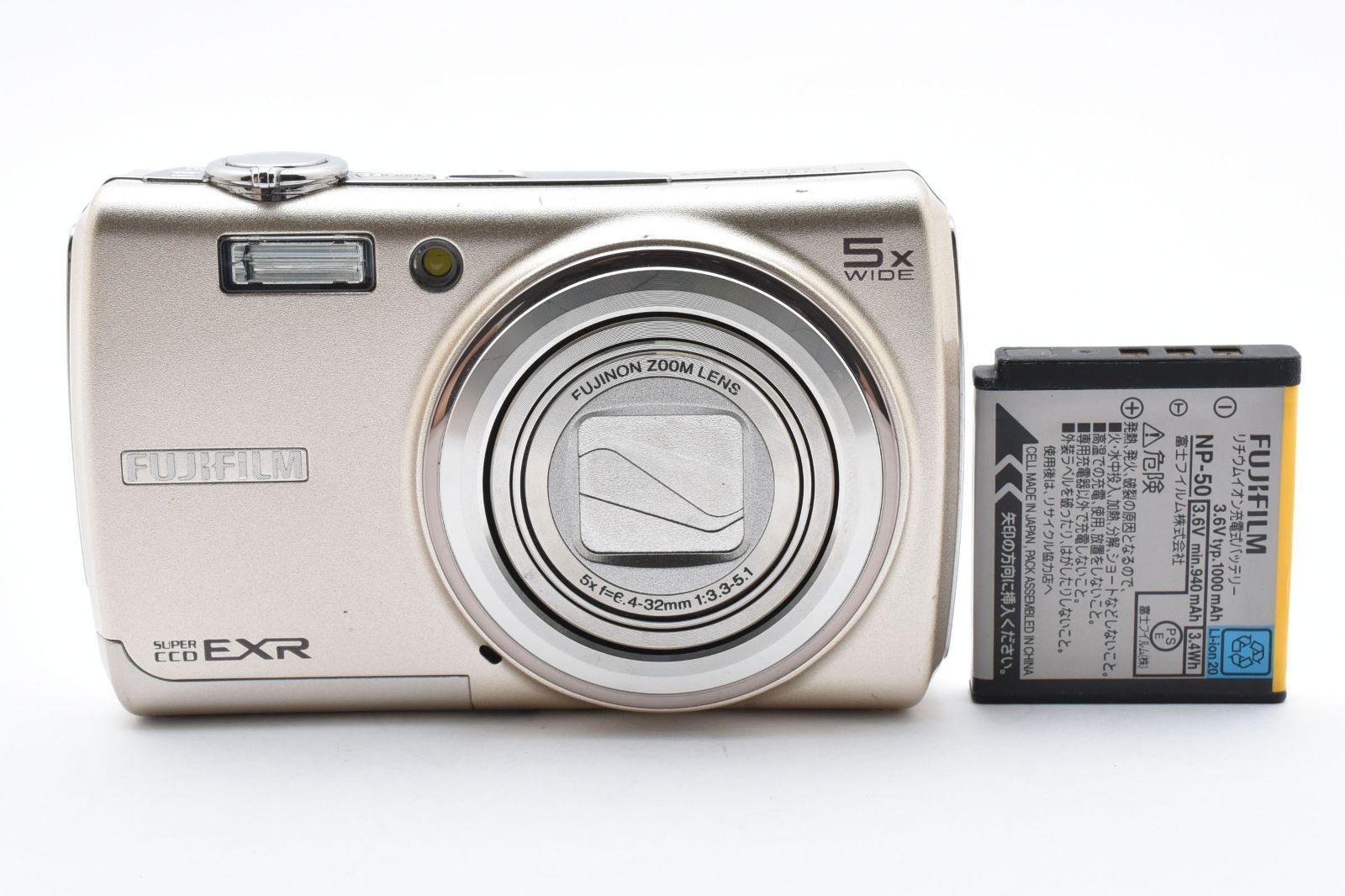
Fujifilm is well known for its film simulations, but its CCD‑era FinePix cameras are equally beloved. The FinePix F31fd remains one of the most talked‑about CCD compacts, praised for its beautiful low‑light performance and nostalgic color rendering. The FinePix F30 and F100fd are also popular choices.
Another compelling pick is the Fujifilm FinePix S5 Pro. Built around a Super CCD sensor, the S5 Pro produces exceptional color depth and dynamic range, offering a feel that goes beyond its specifications.
Ricoh GR Digital: The Street Photographer’s CCD
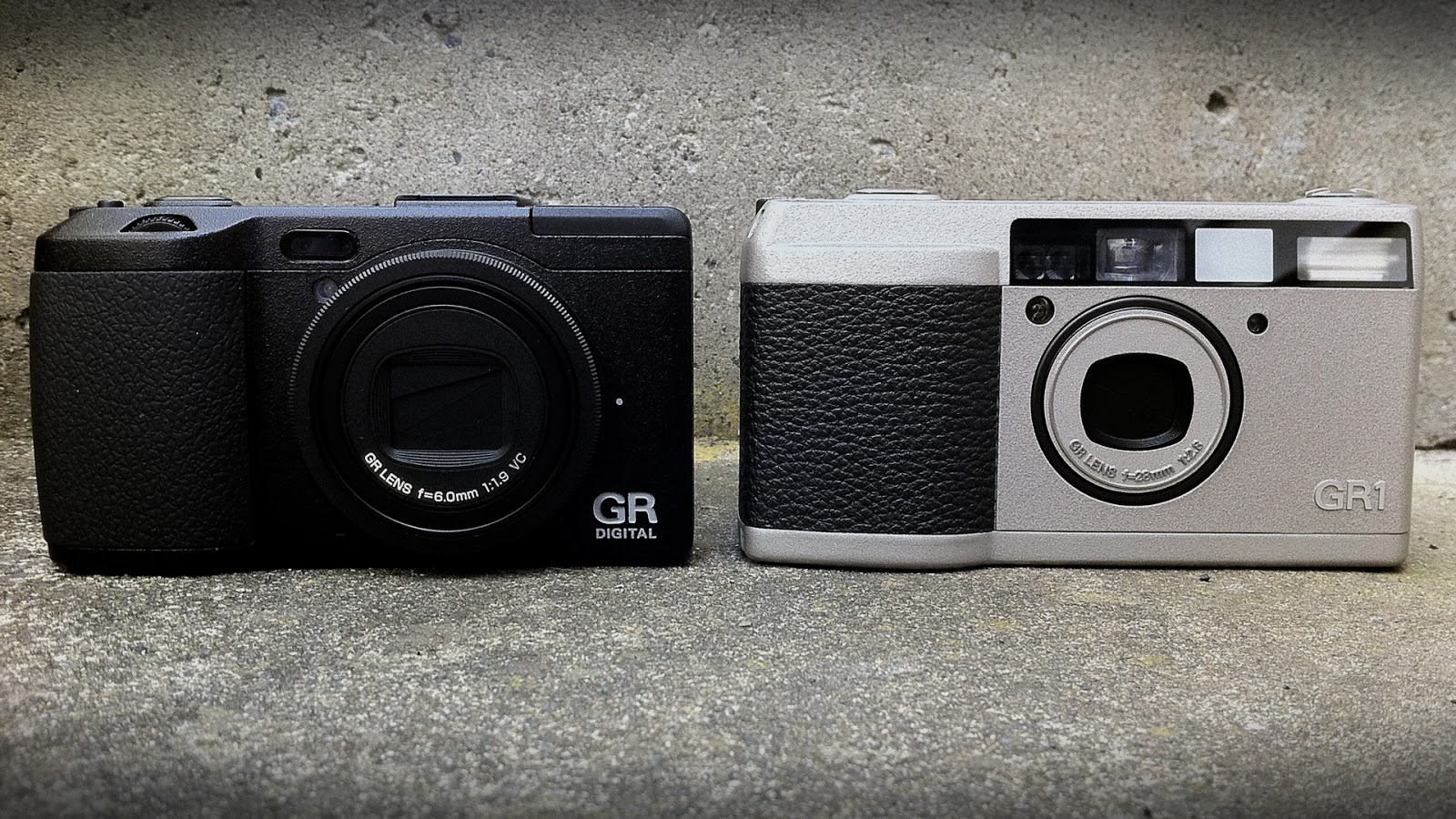
For those who prioritize a minimalist, precision‑built camera, the Ricoh GR Digital line stands out. The original GR Digital, launched in 2005, uses a 1/1.8‑inch CCD sensor (approximately 8.13 million effective pixels) and a fixed 28mm equivalent GR lens.
The GR Digital emphasizes manual control, fast response, and outstanding sharpness for its size. It also includes a dedicated RAW format (DNG), giving photographers significant flexibility for post‑processing. If you need a compact CCD camera for everyday street photography, the GR Digital remains an excellent choice.
Canon PowerShot and IXY: Everyday CCD Classics
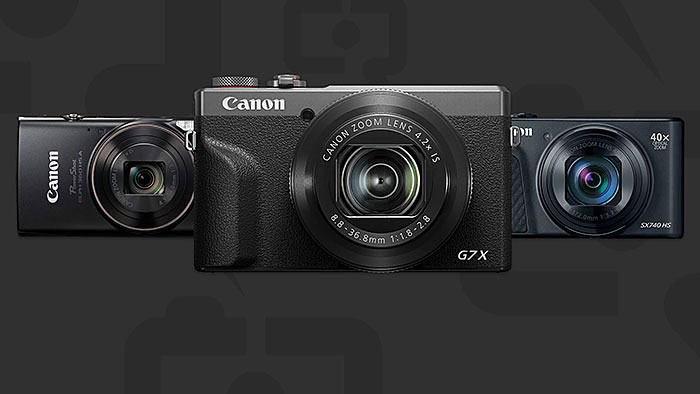
Canon produced many CCD compact cameras in the 2000s, with the IXY Digital series (sold as Digital IXUS in Europe and PowerShot SD in North America) being particularly abundant in the Japanese market.
For more advanced shooters, models like the Canon PowerShot G11 (10MP 1/1.7‑inch CCD, 28‑140mm lens, fully articulating LCD) and the Canon S95 (same 10MP CCD in a more pocketable body) serve as powerful tools for photographers who want CCD color response without sacrificing creative control.
Sony Cyber‑shot: Y2K Design and Punchy Color
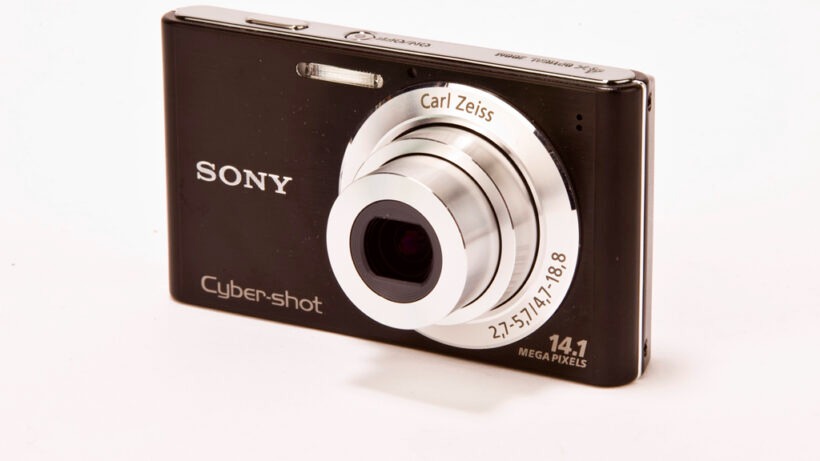
Sony’s CCD‑era Cyber‑shot cameras are famous for their high contrast, saturated color response, and innovative industrial design. Thanks to their compact size and slim bodies, they are easy to carry in a pocket, making them very appealing to modern users.
The Sony Cyber‑shot DSC‑T70 features a sliding metal lens cover, a vivid direct flash, and a design that defines the “Y2K digicam” aesthetic. It is a frequent recommendation for creators looking for a fashion‑forward compact.
Nikon Coolpix: Rugged, Reliable, Ready to Shoot
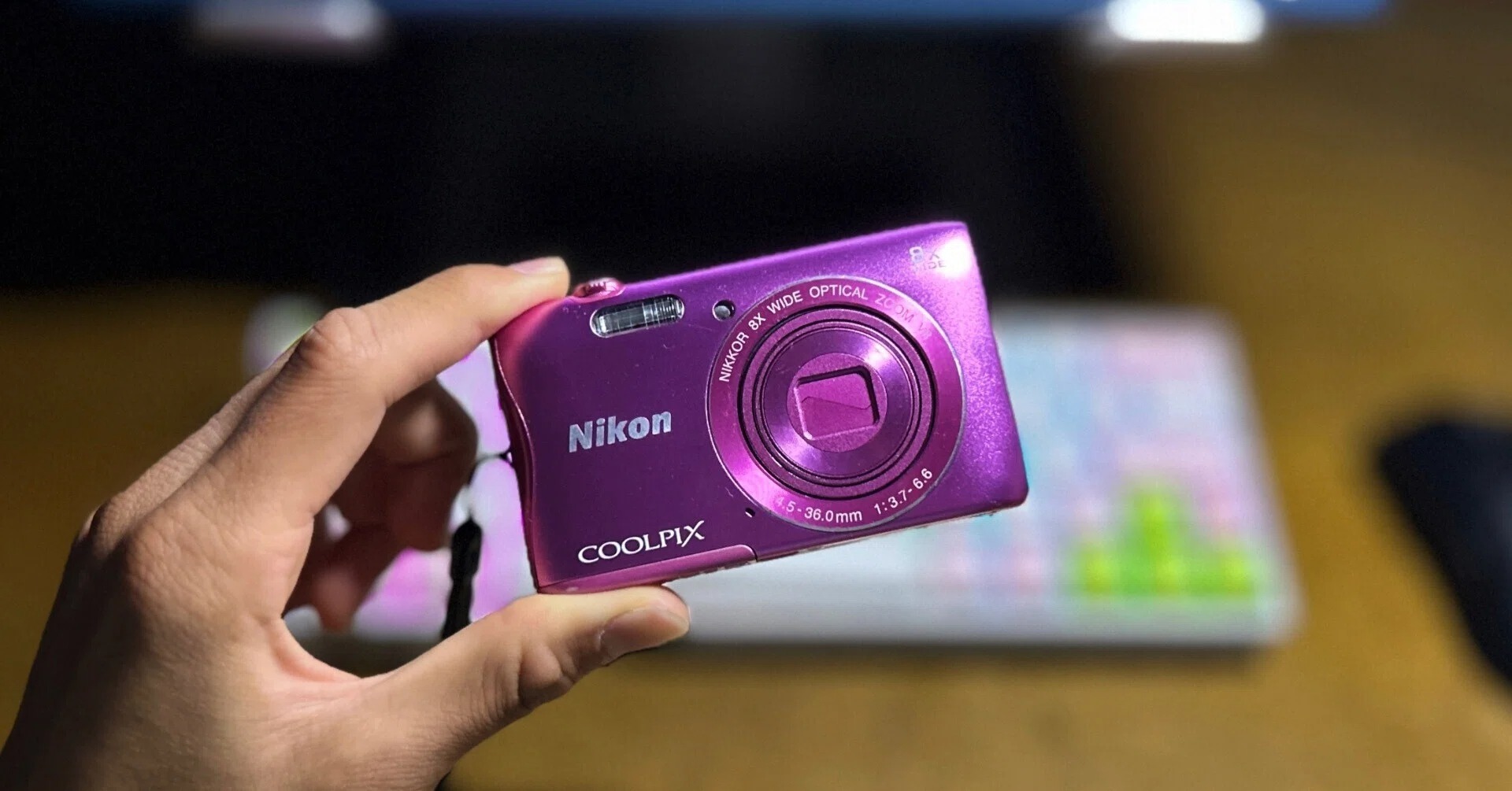
Nikon’s CCD‑era Coolpix compacts are often overlooked outside Japan, but they offer solid value. The single‑digit CCD Coolpix cameras – such as the Coolpix 880 – are now available for very low prices. Despite their age, the quality from a 3.34MP CCD remains impressive. For those who prefer a DSLR‑like experience, the Nikon D40 (6MP CCD) is exceptionally compact and lightweight, making it a good entry point into CCD photography.
Kodak PixPro: Affordable Modern CCD Entry Point
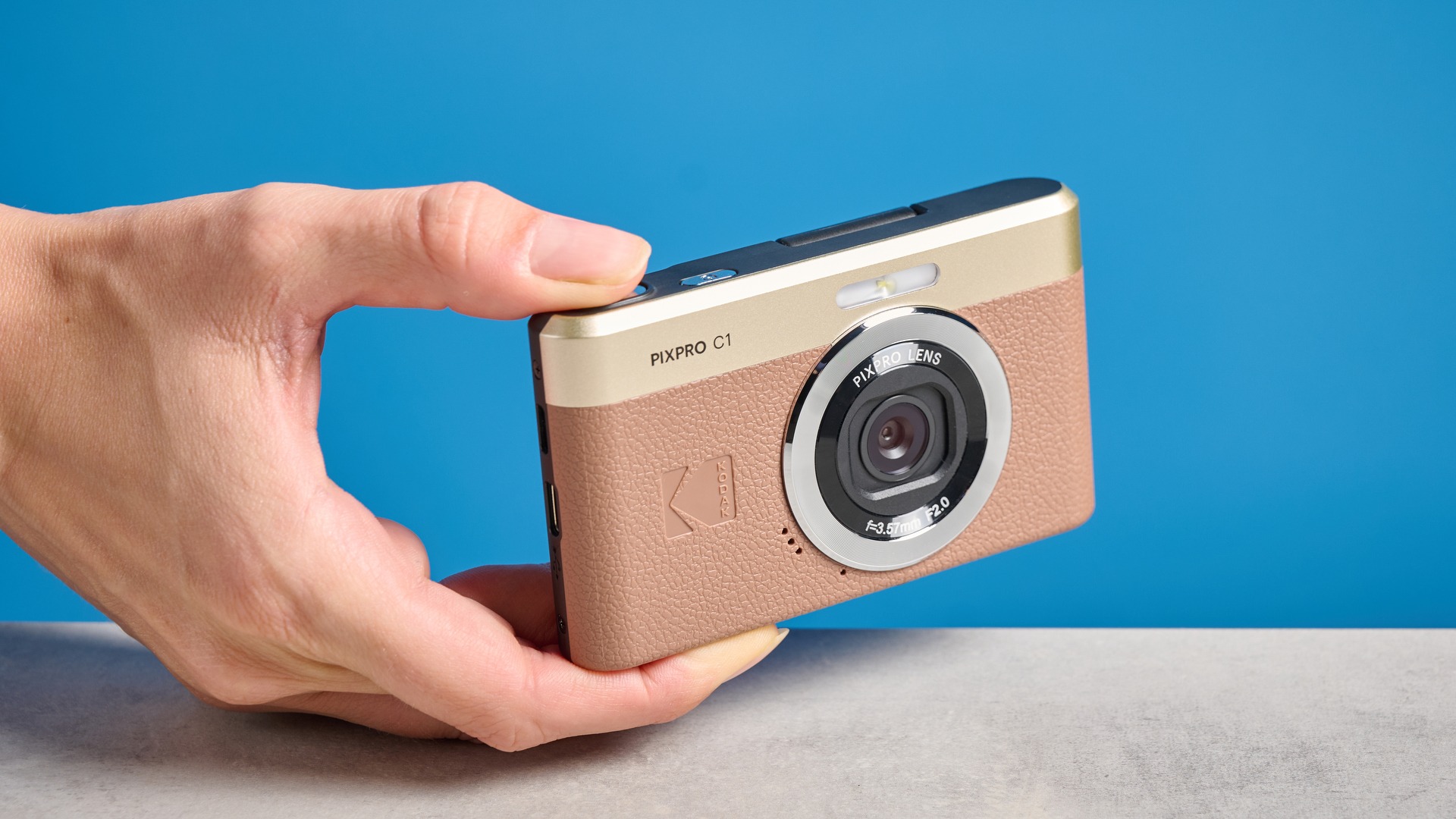
Kodak’s PixPro FZ55 was a sales phenomenon in Japan in 2025, ranking as the top fixed‑lens camera seller at major retailers. Its mainstream sales illustrate how effectively the retro CCD aesthetic has captured the market. The FZ55 uses a 16MP CCD sensor, offers a 5x optical zoom lens, and costs significantly less than the average price of a used vintage compact.
Konica Genba Kantoku: A CCD Camera Built for Durability
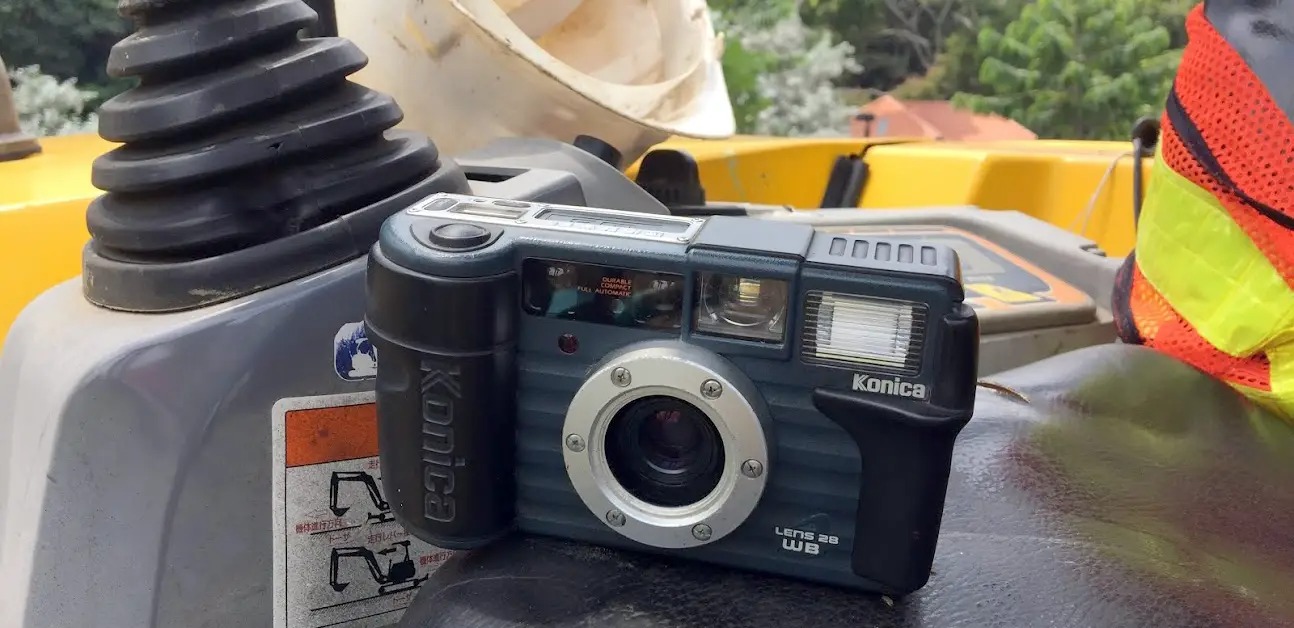
The Konica Genba Kantoku (Site Supervisor) DG‑2, introduced in 2002, was designed for the Japanese construction industry. It features a fixed 38mm equivalent Hexanon lens, a 2.1MP CCD sensor, and a waterproof, dustproof, and shock‑resistant body. It runs on four AA batteries – no proprietary chargers to worry about – and produces distinct, likable images despite its rugged appearance. The Genba Kantoku series exemplifies the unusual Japanese domestic market cameras prized by collectors for their unique character.
Fujifilm BigJob HD‑3W: All‑Weather CCD Compact
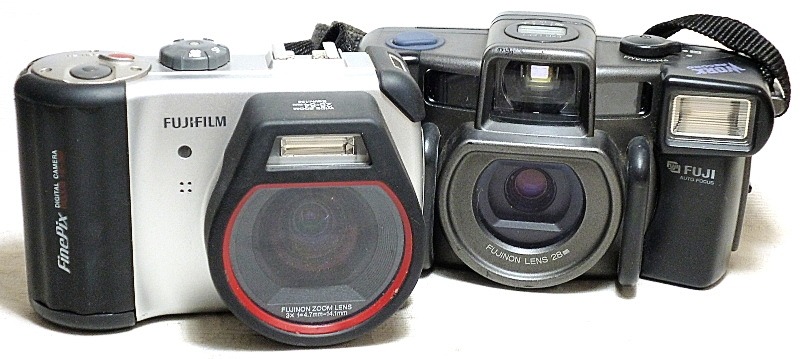
Another industrial‑grade CCD camera, the Fujifilm BigJob HD‑3W, was originally sold only in Japan before a limited European release. It is a 6MP ruggedized compact that is water, shock, and dustproof. The camera features a 28‑84mm equivalent Fujinon wide‑angle zoom and ISO sensitivity up to 1600. Its oversized buttons are designed for use with gloves. The “Big Job” controls are simple, the build is solid, and it can survive harsh outdoor environments. This camera is ideal for outdoor shooters who want a true CCD sensor in a practically invincible body.
How to Buy CCD Cameras from Japan with Rakufun
Many sellers on Japanese marketplaces do not accept international payments or ship outside Japan. Rakufun is a proxy shopping platform available as both a website and a mobile app. It integrates directly with Japanese marketplaces and stores, handling domestic purchases and international shipping.
Step‑by‑step process:
Step 1: Find your camera
- Direct search: Use Rakufun’s built‑in search across partner platforms such as Mercari, Rakuma, Surugaya, and Yahoo! Japan Auctions.
- Link2Buy method: If you find a specific camera on a Japanese website that is not directly integrated, copy the product URL and paste it into Rakufun’s Link2Buy tool. Fill in the specification, price (JPY), quantity, and domestic shipping fee manually.
Step 2: Place your order
Add the camera to your cart and proceed to checkout. If you want confirmation of the camera’s appearance or included accessories, you can request Rakufun’s photo verification service. After you pay for the item and domestic shipping, Rakufun will complete the purchase using a local Japanese address and payment method.
Step 3: Warehouse arrival and consolidation
The seller ships your camera to Rakufun’s domestic warehouse in Japan. You have up to 90 days of free storage – enough time to purchase several cameras or accessories from different sellers and combine them into one shipment.
Step 4: International shipping
When ready, select your preferred international shipping method (DHL, EMS, Air Freight, or Sea Freight). Rakufun repacks your consolidated items and sends them to your address with full tracking.
Tips for Buying Second‑Hand CCD Cameras from Japan
Focus on Japanese‑exclusive models. Some of the most interesting CCD cameras – such as the Konica Genba Kantoku and Fujifilm BigJob – were only sold in Japan, making them far more common and less expensive in domestic marketplaces.
Seek out professional retailers when you need reliability. Shops such as Kitamura, Map Camera, Fujiya Camera, and NANIWA CAMERA offer condition grades, limited warranties, and return policies. For first‑time buyers, these stores provide more security than individual sellers.
Verify critical details before you pay. Confirm the camera’s operational status (動作確認済み) and condition, and ensure it includes necessary accessories (battery, charger, memory card). If the seller posts blurry photos or avoids detailed questions, move on.
Avoid very cheap “junk” cameras unless you can repair them. Many listings marked ジャンク (junk) are sold as‑is for parts. Unless you are comfortable repairing electronics, such purchases can be disappointing.
Check for visible defects. Look for significant dents, scratches, loose screws, or evidence of tampering. Examine the lens front element for scratches, residue, or fogging. If possible, choose cameras that show original manufacturer’s markings and high‑quality glass elements.
Frequently Asked Questions (FAQ)
Q: Are CCD cameras worth buying in 2026?
A: For collectors, enthusiasts wanting a distinct “retro digital” look, or budget‑conscious learners, CCD cameras offer real value. However, they are not a substitute for modern cameras in terms of autofocus speed, low‑light performance, or battery life.
Q: How much should I pay for a used CCD camera from Japan?
A: Prices vary widely. Basic compact CCDs can be found for 5,000 – 15,000 yen (around 35–35–100). Popular models like the Canon G series may cost 20,000 – 40,000 yen (140–140–280). Collectible cult cameras can reach higher prices, but many bargains are still available.
Q: Can I tell if a camera is a fake “CCD” before I buy?
A: Yes. Be wary of cameras with plastic, telescope‑style lens rings or cheap anti‑reflective coating. Real CCD cameras feature a glass lens element and typically use a xenon flash unit, not a small yellow LED inside the flash housing.
Q: Are there new CCD cameras available?
A: A few modern compact cameras still use CCD sensors. The Kodak PixPro FZ55 is an example of a new camera that became the best‑selling fixed‑lens camera in Japan in 2025.
Final Thoughts
Japan’s used camera market is one of the few places where you can still find a broad selection of CCD cameras in good condition. Whether you are a collector after rare JDM models, an enthusiast rediscovering early digital technology, or a casual shooter seeking the nostalgic “CCD look,” the cameras described above stand out for their reliability, character, and collector value.
With Rakufun connecting you directly to Japanese marketplaces, the journey from discovery to delivery is straightforward. Research the camera, find a listing, add optional photo verification, consolidate your purchases, and receive a beautifully preserved piece of imaging history.