


'%20clip-path='url(%23master_svg0_435_106539/302_155699)'%3e%3cg%20transform='matrix(0,1,1,0,-10,10)'%3e%3cpath%20d='M4.64651757818006,15.35348295818006Q4.57620548818006,15.283170878180059,4.538152908180059,15.19130372818006Q4.500100258180059,15.09943655918006,4.500100258180059,15.00000026818006Q4.500100288180059,14.950764414180059,4.50970571818006,14.90247461918006Q4.519311158180059,14.854184818180059,4.538152908180059,14.80869683818006Q4.556994648180059,14.76320883818006,4.5843486181800595,14.72227072818006Q4.6117025881800595,14.68133261818006,4.646517608180059,14.64651760818006Q4.681332618180059,14.611702588180059,4.722270728180059,14.58434864818006Q4.763208838180059,14.55699467818006,4.80869683818006,14.53815292818006Q4.85418481818006,14.51931115818006,4.90247461918006,14.50970571818006Q4.9507644141800595,14.50010028818006,5.0000002681800595,14.50010025818006Q5.0994365591800594,14.50010025818006,5.19130372818006,14.53815290818006Q5.2831708781800595,14.57620548818006,5.353482958180059,14.64651757818006L5.35355364818006,14.64644688818006L8.00000026818006,17.29289366818006L10.64644696818006,14.64644688818006L10.646517568180059,14.64651757818006Q10.71682956818006,14.57620548818006,10.808696968180058,14.53815290818006Q10.90056446818006,14.50010025818006,11.00000026818006,14.50010025818006Q11.049235568180059,14.50010028818006,11.09752536818006,14.50970571818006Q11.14581516818006,14.51931115818006,11.19130356818006,14.53815290818006Q11.236791368180059,14.55699464818006,11.277729768180059,14.58434861818006Q11.318667668180058,14.611702588180059,11.35348296818006,14.64651760818006Q11.388298268180058,14.68133261818006,11.415652068180059,14.72227072818006Q11.443005868180059,14.76320883818006,11.461847568180058,14.80869683818006Q11.48068926818006,14.854184818180059,11.49029476818006,14.90247461918006Q11.499900168180059,14.950764414180059,11.499900168180059,15.00000026818006Q11.49989966818006,15.09943664118006,11.461846668180058,15.191303868180059Q11.42379406818006,15.28317108818006,11.35348246818006,15.35348319818006L11.353553068180059,15.353553648180059L8.35355356818006,18.35355356818006Q8.283227468180058,18.42387966818006,8.191341868180059,18.46193986818006Q8.099456068180059,18.50000006818006,8.000000068180059,18.50000006818006Q7.9005439681800596,18.50000006818006,7.80865836818006,18.46193986818006Q7.71677286818006,18.42387966818006,7.64644696818006,18.35355356818006L4.646446888180059,15.353553648180059L4.64651757818006,15.35348295818006Z'%20fill-rule='evenodd'%20fill='%23A0A2A2'%20fill-opacity='1'%20style='mix-blend-mode:passthrough'/%3e%3c/g%3e%3c/g%3e%3c/svg%3e)
'%3e%3cg%20transform='matrix(0,-1,1,0,-4,14)'%3e%3cpath%20d='M4.57582074,9.42417926Q4.49144626,9.33980477,4.44578308,9.22956416Q4.40011996,9.11932355,4.40011996,9Q4.40012002,8.940916978,4.41164654,8.88296923Q4.42317307,8.82502148,4.4457832,8.77043588Q4.46839327,8.71585029,4.50121802,8.66672456Q4.53404278,8.61759883,4.5758208,8.5758208Q4.61759883,8.53404278,4.6667245600000005,8.50121802Q4.71585029,8.46839321,4.77043588,8.44578314Q4.82502148,8.42317307,4.88296923,8.41164649Q4.940916978,8.40012002,5,8.40011996Q5.11932355,8.40011996,5.22956416,8.44578314Q5.33980477,8.49144626,5.42417926,8.57582074L5.4242640699999995,8.57573593L8,11.1514719L10.575736,8.57573593L10.5758209,8.57582062Q10.6601949,8.4914462,10.770435299999999,8.44578314Q10.880676300000001,8.40012002,11,8.40011996Q11.059083000000001,8.40012002,11.117030100000001,8.41164654Q11.1749778,8.42317307,11.229563200000001,8.4457832Q11.2841492,8.46839327,11.3332748,8.50121802Q11.3824005,8.53404278,11.4241791,8.5758208Q11.4659567,8.61759883,11.4987817,8.66672456Q11.531606700000001,8.71585029,11.5542164,8.77043588Q11.5768266,8.82502148,11.5883532,8.88296923Q11.599880200000001,8.940916978,11.599880200000001,9Q11.599880200000001,9.1193236,11.5542164,9.22956422Q11.5085535,9.33980486,11.4241791,9.42417938L11.424264,9.42426407L8.424264,12.424264Q8.3398728,12.508655300000001,8.229610000000001,12.5543277Q8.1193473,12.5999999,7.999999799999999,12.5999999Q7.8806524,12.5999999,7.7703898,12.5543275Q7.6601272,12.5086551,7.5757358,12.424264L4.5757359300000005,9.42426407L4.57582074,9.42417926Z'%20fill-rule='evenodd'%20fill='%23000000'%20fill-opacity='1'/%3e%3c/g%3e%3c/g%3e%3c/svg%3e)
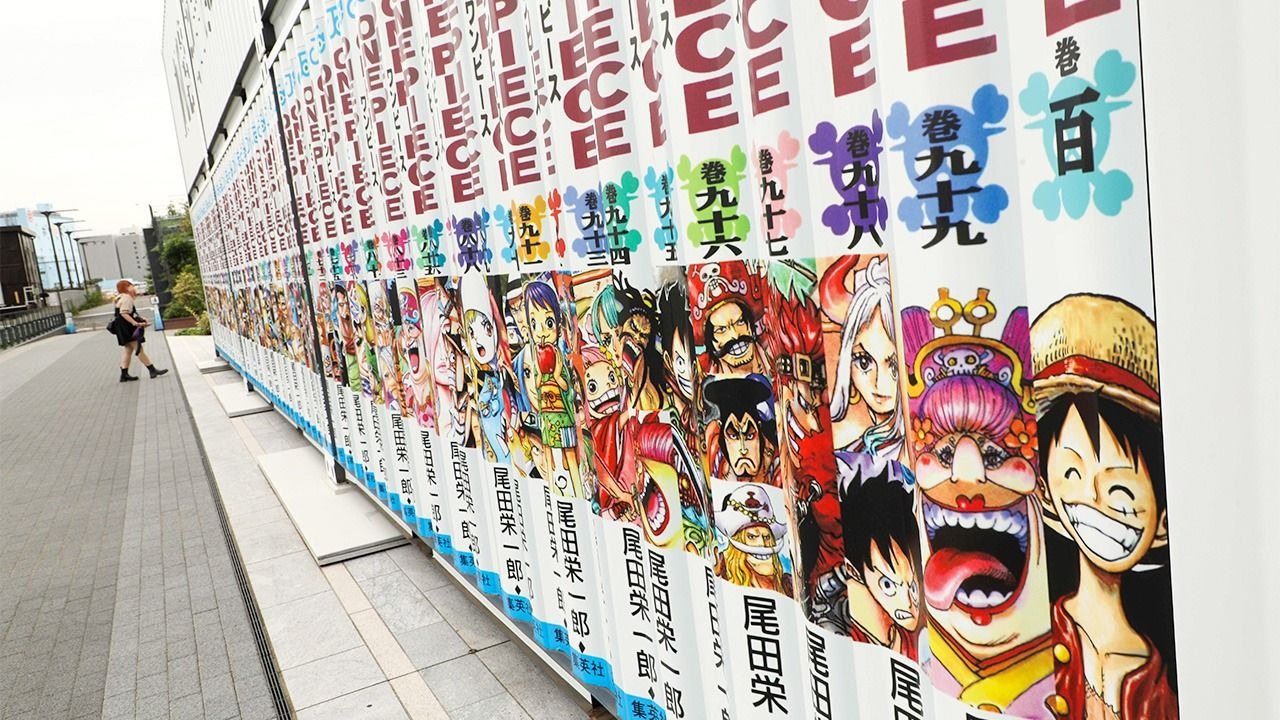
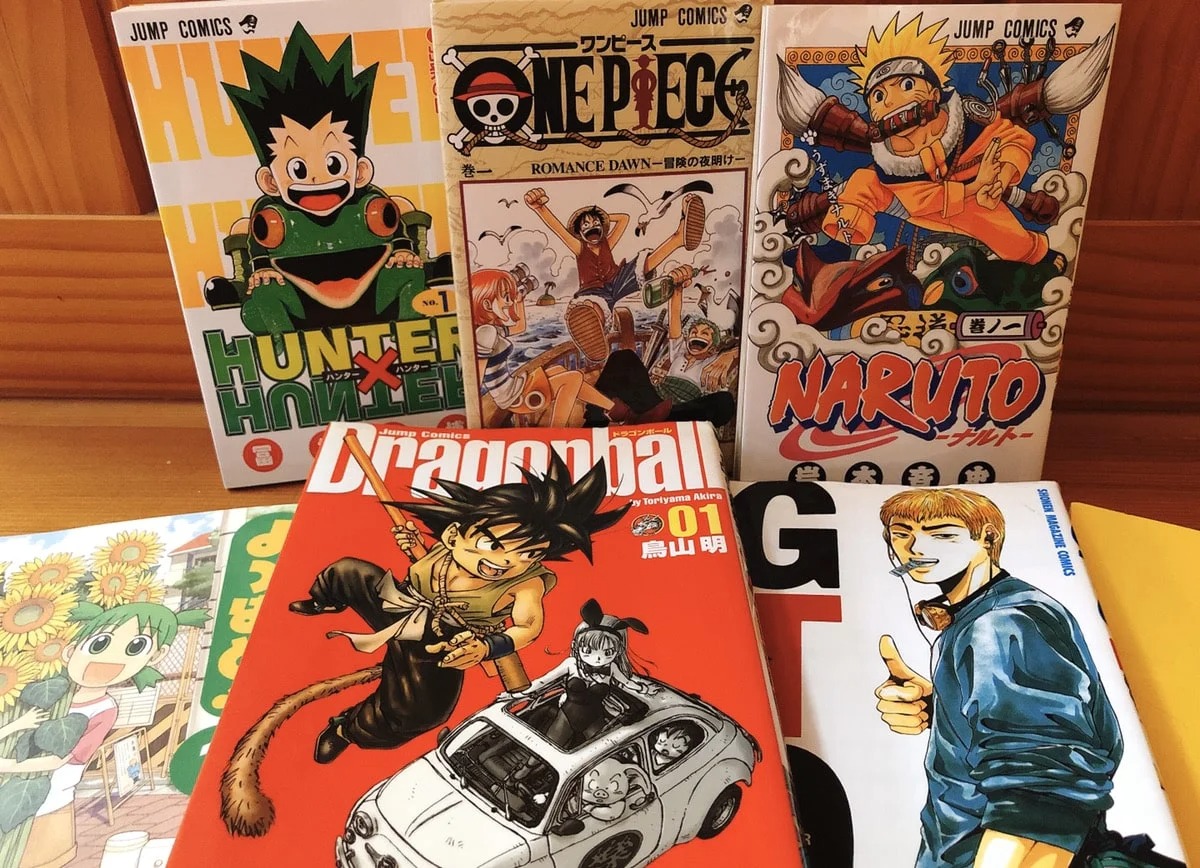
There is something quietly satisfying about holding a manga volume in its original language. The cover art is exactly as the artist intended. The panels run in the correct reading direction—no mirrored images, no localization edits. Sometimes there are bonus illustrations tucked inside, or a dust jacket that never made it into international editions. For many collectors, owning manga from Japan is not just about reading. It is about connecting with the work in its purest form.
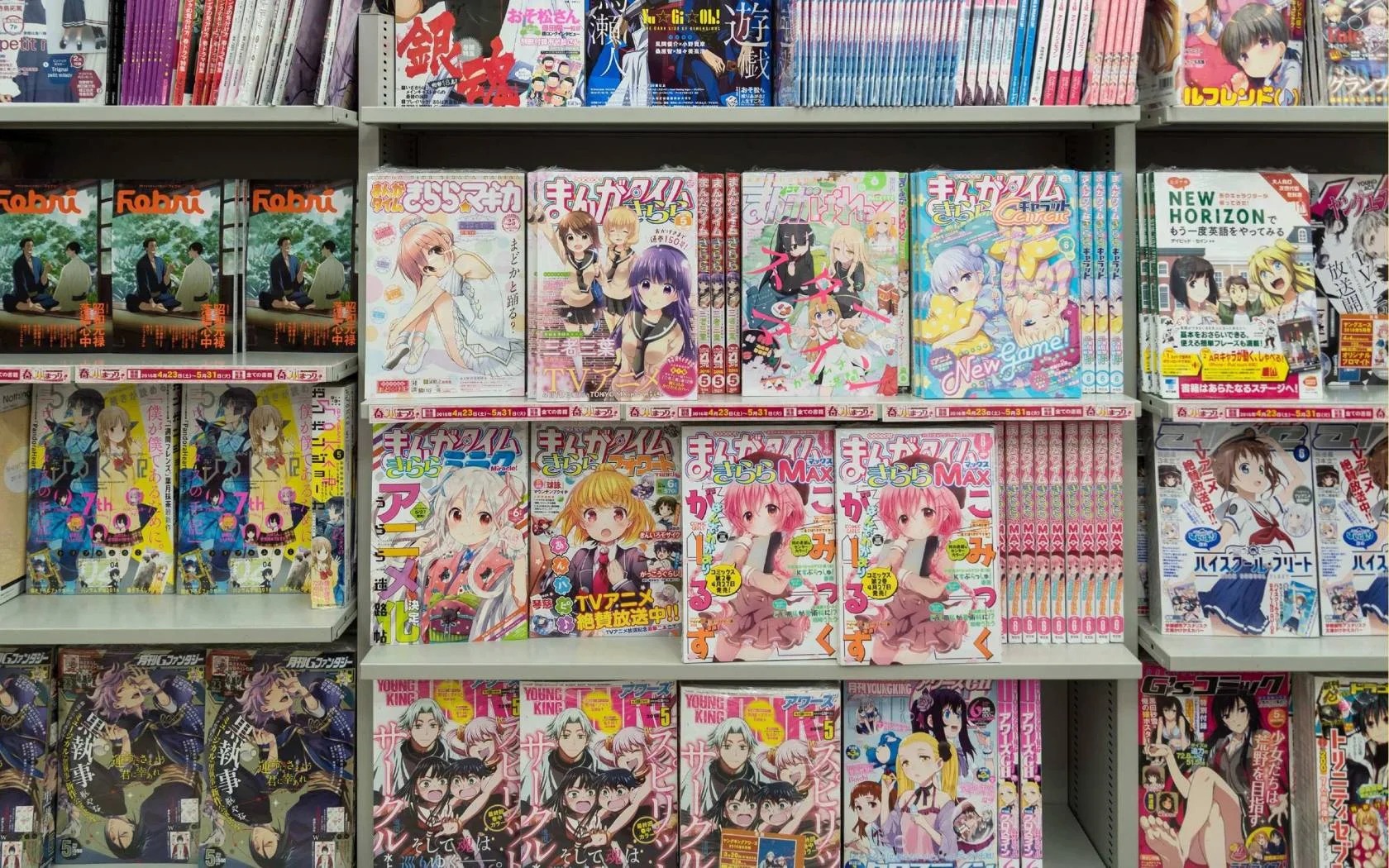
Japan’s manga market is vast and deeply layered. New series debut weekly. Long-running classics stretch across dozens or even hundreds of volumes. Rare limited editions appear and disappear within hours. And tucked among all of this are the forgotten volumes—the ones that went out of print years ago, waiting to be discovered in the back corners of second-hand shops or on online marketplaces.
This guide is for anyone who wants to build a collection. It covers what to look for, where to find it, how to evaluate condition, and how to bring your finds home using Rakufun Japan proxy service.
Table of Contents
Why Collect Manga from Japan?
Collectors turn to the Japanese market for reasons that go beyond simply wanting a physical copy.
Complete Series. Many manga series are never fully translated into other languages. Others are translated slowly, with new volumes appearing months or years after the Japanese release. Collecting in Japanese is often the only way to own an entire series from start to finish.
Original Presentation. Japanese editions preserve the art exactly as the creator intended. No flipped panels, no altered sound effects, no cover redesigns. For readers who value artistic integrity, this matters.
Exclusive Editions. Special editions often come with extras: art cards, mini booklets, acrylic stands, or even short bonus manga that never appear elsewhere. First printings sometimes include dust jackets or obi strips that become collectible in their own right.
Affordability. The second-hand market in Japan is remarkably accessible. A volume that originally sold for 500 yen can often be found for 100–300 yen (less than $2) in excellent condition. Bulk lots of complete series frequently appear at steep discounts.
The Hunt. There is a genuine pleasure in tracking down a missing volume, discovering a complete set at a reasonable price, or stumbling upon a limited edition that you did not even know existed. The Japanese market rewards patience and curiosity.
What to Collect: A Quick Guide to Formats
Before you start shopping, it helps to know what you are looking at. Manga in Japan appears in several formats, each with its own characteristics.
| Format | Japanese Term | Description | Best For |
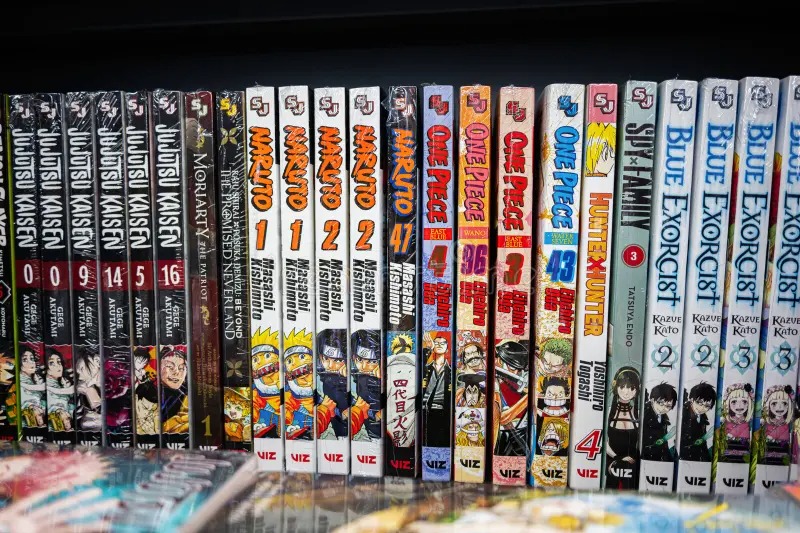
| Single Volume | 単行本 (tankōbon) | The standard format. Collects several chapters, typically 180–200 pages. | Building a series volume by volume |
| Complete Set | 全巻セット (zenkan setto) | A bundled set of all volumes in a series. Often sold at a discount. | Starting a new series efficiently |
| Special Edition | 特装版 (tokusōban) | Includes extras like art cards, mini books, or special covers. | Collectors who want bonus content |
| First Printing | 初版 (shohan) | The first print run of a volume. May include obi strips or dust jackets. | Collectors who value rarity |
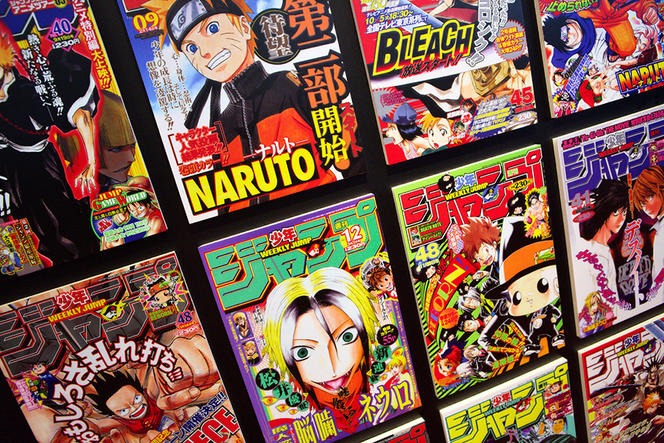
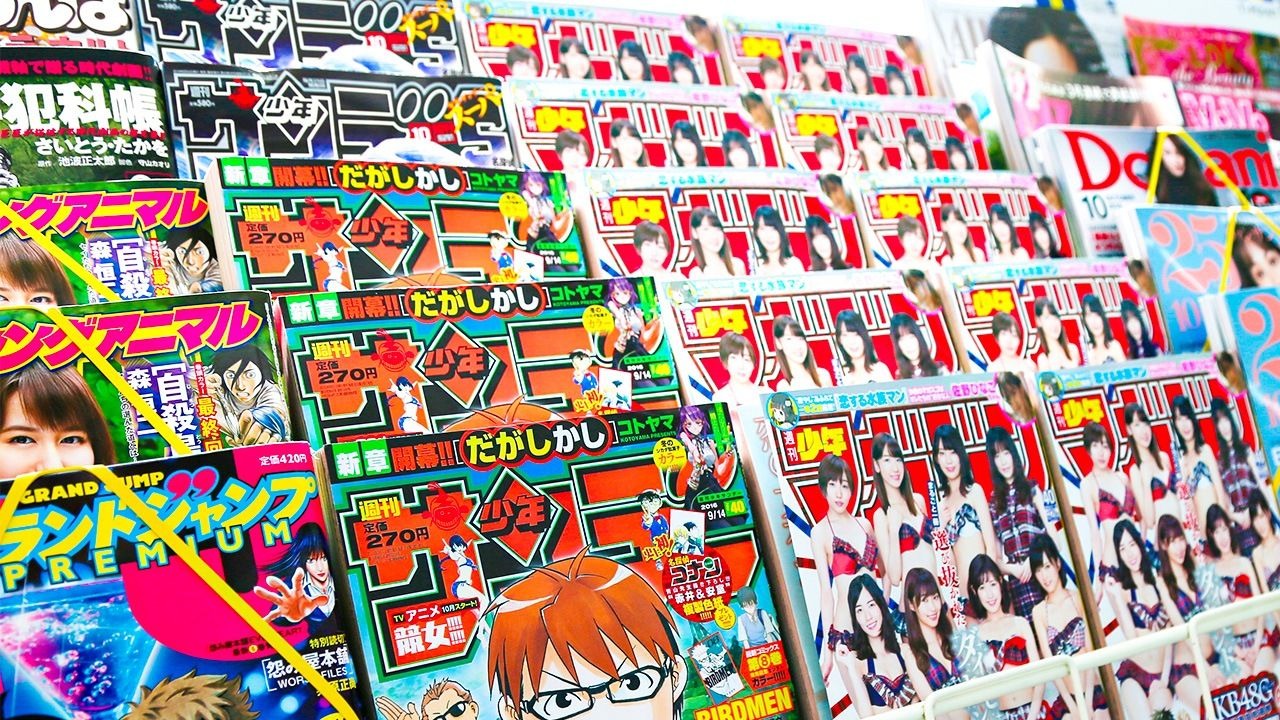
| Weekly/Monthly Magazine | 週刊誌・月刊誌 (shūkanshi / gekkanshi) | Magazines like Weekly Shonen Jump where series first appear. | Collectors who want the original serialization experience |
| Bunkoban | 文庫版 | Smaller, more portable editions. Often include new cover art. | Readers who prioritize portability |
| Wideban | ワイド版 | Larger format editions with higher paper quality. | Readers who appreciate larger art |
For most collectors, single volumes and complete sets are the main focus. Magazines and limited editions appeal to those with more specialized interests or a focus on collecting for rarity.
Understanding Condition: What Those Japanese Terms Really Mean
Japanese sellers use consistent terminology to describe condition. Learning these terms is essential for setting expectations. A “good” condition book in Japan often exceeds what the same grade might mean elsewhere.
| Japanese Term | Romanization | Meaning | What to Expect |
| 新品 | shinpin | New | Still in shrink wrap; unread |
| 未使用 | mishiyō | Unused | Not read; may have been stored; often equivalent to near-mint |
| 美品 | bihin | Excellent | Minimal to no visible wear; may have been read once carefully |
| 良品 | ryōhin | Good | Signs of use but no major flaws; light shelf wear or minor creasing |
| 使用感あり | shiyōkan ari | Signs of use | Visible wear consistent with being read; yellowing, minor creases, slight spine wear |
| 傷あり | kizu ari | Damage present | Specific flaws noted—stains, tears, or significant creases |
| 日焼け | hiyake | Yellowing | Pages have yellowed from age or light exposure. Common in older manga. |
| 帯あり | obi ari | Obi included | The paper band (obi) is still present. Collectors often value this. |
| 帯なし | obi nashi | Obi missing | The obi is not included. This is common for used books. |
| ジャンク品 | janku hin | Junk | Sold as-is; significant damage, missing pages, or other serious issues |
A few things worth noting: Yellowing (日焼け) is not considered a major flaw by many Japanese sellers. It is simply acknowledged. For vintage manga, a copy with yellowing but no creases may still be graded as “good.” The obi strip matters to collectors. If you are buying a special edition, check whether the obi is included.
Where to Buy: A Platform-by-Platform Guide
Different platforms suit different types of collecting. Some are best for bargain hunting. Others excel at rare and collectible items. Here is a breakdown of the major options.
| Platform | Best For | Strengths | Things to Watch |
| Mercari (メルカリ) | Complete series, bargain hunting, individual volumes | Largest selection; individual sellers; negotiable prices | Seller ratings vary; read descriptions carefully |
| Rakuma (ラクマ) | Professional sellers, competitive pricing | Official Rakufun partner; many professional sellers | Similar to Mercari; check seller history |
| JDirectItems Auction (Yahoo! Japan Auctions) | Rare volumes, out-of-print series, collectibles | Auction format; rare finds; vintage magazines | Requires bidding strategy; timing matters |
| Surugaya (駿河屋) | Professional grading, reliable condition | Consistent condition descriptions; large inventory | Handling fee on small orders; slower shipping |
| Mandarake (まんだらけ) | Rare manga, vintage editions, collectibles | Strict grading; rare items; physical store locations | Higher prices for premium items |
| Amazon Japan | New releases, pre-orders, current series | Fast shipping (within Japan); reliable for new items | Limited second-hand selection |
| Book Off (ブックオフ) | Affordable used manga, bulk purchases | Low prices; consistent chain grading | Online selection varies by location |
Mercari is often the first stop for collectors. The sheer volume of listings means you can usually find what you are looking for, often at reasonable prices. The challenge is that conditions vary widely. Sellers with hundreds of positive reviews are generally reliable. New sellers with few reviews are riskier.
JDirectItems Auctions(Yahoo! Japan Auctions) is where collectors go for the hard-to-find items. A series that has been out of print for a decade may surface here. The auction format means prices can be unpredictable. Sometimes a rare volume sells for a bargain; other times bidding wars drive prices higher than expected.
Surugaya and Mandarake offer consistency. If you want a reliable assessment of condition and are willing to pay a bit more for peace of mind, these are excellent choices. Surugaya’s handling fee applies to orders under 5,000 yen, so consolidating multiple items helps.
Search Keywords: How to Find What You Are Looking For
Searching for manga on Japanese platforms can be intimidating if you do not know the language. But with a few key terms, you can navigate listings effectively. Here is a guide to the most useful search keywords.
Basic Search by Title
The simplest approach is to search by the series title in Japanese. If you are looking for a specific series, knowing its Japanese title is essential. You can find this on Wikipedia, MyAnimeList, or the publisher’s website.
| Series (English) | Japanese Title |
| One Piece | ONE PIECE (ワンピース) |
| Jujutsu Kaisen | 呪術廻戦 |
| Spy x Family | SPY×FAMILY |
| Chainsaw Man | チェンソーマン |
| Demon Slayer | 鬼滅の刃 |
| Attack on Titan | 進撃の巨人 |
| My Hero Academia | 僕のヒーローアカデミア |
Searching by Volume Number
If you are looking for a specific volume, add the volume number in Japanese.
| English | Japanese |
| Volume 1 | 1巻 |
| Volume 5 | 5巻 |
| Volume 10 | 10巻 |
| Volume 23 | 23巻 |
Example search: “呪術廻戦 5巻” (Jujutsu Kaisen volume 5)
Searching for Complete Sets
If you want to buy an entire series at once, add “全巻セット” (complete set).
| Search Term | Meaning |
| ONE PIECE 全巻セット | One Piece complete set |
| 鬼滅の刃 全巻セット | Demon Slayer complete set |
| 全巻セット 新品 | New complete set |
| 全巻セット 美品 | Excellent condition complete set |
Searching for Special Editions
Special editions have their own keywords.
| Search Term | Meaning |
| 特装版 | Special edition (with extras) |
| 限定版 | Limited edition |
| 初版 | First printing |
| 帯あり | Obi included |
| 特典 | Bonus item included |
Example search: “SPY×FAMILY 特装版” (Spy x Family special edition)
Searching by Condition
If condition matters to you, add condition keywords to narrow results.
| Search Term | Meaning |
| 美品 | Excellent condition |
| 良品 | Good condition |
| 新品 | New / unread |
| 未使用 | Unused |
| 帯あり | Obi included |
| 日焼けなし | No yellowing |
Example search: “チェンソーマン 全巻セット 美品” (Chainsaw Man complete set, excellent condition)
Searching for Magazines
If you are collecting weekly or monthly magazines, these terms help.
| Search Term | Meaning |
| 週刊少年ジャンプ | Weekly Shonen Jump |
| 月刊アフタヌーン | Monthly Afternoon |
| 別冊マーガレット | Bessatsu Margaret |
| ジャンプ 創刊号 | Jump first issue |
| 雑誌 まとめ売り | Magazine bundle / lot |
Searching for Rare and Vintage Manga
For older or out-of-print series, add keywords that indicate rarity.
| Search Term | Meaning |
| 絶版 | Out of print |
| レア | Rare |
| 入手困難 | Hard to find |
| 古本 | Used book |
| 旧版 | Older edition |
Combining Keywords
You can combine multiple keywords to refine your search. Here are some examples of effective search strings:
| What You Want | Search String |
| One Piece complete set, excellent condition | ONE PIECE 全巻セット 美品 |
| Jujutsu Kaisen special edition volume 1 | 呪術廻戦 1巻 特装版 |
| Demon Slayer complete set, new | 鬼滅の刃 全巻セット 新品 |
| Chainsaw Man volume 1 with obi | チェンソーマン 1巻 帯あり |
| Weekly Shonen Jump bundle | 週刊少年ジャンプ まとめ売り |
How to Purchase with Rakufun
Rakufun is a proxy shopping platform available as both a website and a mobile app. It connects you with Japanese marketplaces and stores, handling domestic purchases and international shipping. The platform charges 0% purchasing fees—you pay only for items and shipping.
Step 1: Find Your Manga
You have two ways to search for manga on Rakufun:
Direct Search. Use Rakufun’s built-in search to browse items from partnered platforms like Mercari, Rakuma, Surugaya, and more. The app features auto-translation that converts Japanese product pages into your preferred language. Search by series title, author, or keywords like “全巻セット” (complete set).
Link2Buy Method. This tool allows you to access almost any Japanese website. If you find manga on a Japanese retailer’s site—copy the product URL and paste it into Rakufun’s Link2Buy tool. The system will populate product details, allowing you to confirm specifications before ordering.
Step 2: Place Your Order
Add the manga to your cart and proceed to checkout. Pay for the items and any domestic shipping fees. Rakufun handles the purchase using their local Japanese address and payment methods.
Step 3: Consolidate Multiple Items
If you are purchasing from multiple sellers or adding other items to your shipment, take advantage of 90-days free warehouse storage. Rakufun holds your items at their domestic warehouse in Japan. Once everything arrives, you can combine them into one shipment. This reduces international shipping costs compared to sending items individually.
Manga is particularly well-suited to consolidation. Individual volumes are small and lightweight, but a complete series of 20–30 volumes can be heavy. Consolidating an entire series into one shipment is far more economical than shipping each volume separately.
Step 4: Choose Shipping and Receive
Select your preferred international shipping method—economical sea mail for larger shipments or express services like DHL or EMS for faster delivery. Rakufun professionally repacks your items to ensure they are secure for the journey. You can track your package all the way to your doorstep.
Tips from Experienced Collectors
Collectors who have been doing this for a while tend to develop their own strategies. Here are some that come up repeatedly.
Start with a series you already know. If you are new to collecting Japanese manga, begin with a series you have read in translation. Familiarity with the story helps you navigate listings, recognize volumes, and understand what you are buying.
Check for “complete set” listings before buying individual volumes. For long-running series, a complete set (全巻セット) is often cheaper and more convenient than collecting individual volumes. However, check that all volumes are from the same edition. Some sets mix regular and special editions.
Pay attention to “obi” (帯) for special editions. The obi strip—the paper band wrapped around the volume—often contains information about special content. For collectors, an intact obi can affect value. If condition matters to you, check whether the obi is included.
Set up saved searches for out-of-print volumes. On Mercari and Yahoo! Auctions, you can save searches for specific series or keywords. New listings appear daily. For rare volumes, patience pays off.
Think about storage before you buy. Manga collections grow quickly. A complete series of 20–30 volumes takes up significant shelf space. If you are buying multiple series, consider how you will store them. Boxes, bookcases, and protective sleeves are worth planning for.
Respect the seller’s grading. Japanese sellers are generally honest about condition. If a listing says “yellowing” or “shelf wear,” expect those issues. For valuable volumes, consider requesting additional photos through Rakufun’s notes field.
Be aware of magazine dimensions. Weekly and monthly magazines are much larger and heavier than standard tankōbon volumes. A stack of magazines can weigh several kilograms. Shipping costs for magazines can be significant, and they require careful packing to avoid damage.
Final Thoughts
Collecting manga from Japan is a journey. It starts with a series you love, a volume you have been searching for, or a complete set that appears at just the right price. Over time, the collection grows. It becomes a reflection of your interests—the stories that stayed with you, the art that caught your eye, the discoveries you made along the way.
The Japanese market makes this possible. The depth of inventory, the care with which items are described, and the affordability of second-hand volumes all contribute to an environment where collecting is accessible rather than exclusive. For those willing to explore, Japan’s manga market offers not just books, but the opportunity to build something meaningful.
Have you collected manga from Japan? What series are you hunting for? Sharing your experiences helps others discover what is possible.