


'%20clip-path='url(%23master_svg0_435_106539/302_155699)'%3e%3cg%20transform='matrix(0,1,1,0,-10,10)'%3e%3cpath%20d='M4.64651757818006,15.35348295818006Q4.57620548818006,15.283170878180059,4.538152908180059,15.19130372818006Q4.500100258180059,15.09943655918006,4.500100258180059,15.00000026818006Q4.500100288180059,14.950764414180059,4.50970571818006,14.90247461918006Q4.519311158180059,14.854184818180059,4.538152908180059,14.80869683818006Q4.556994648180059,14.76320883818006,4.5843486181800595,14.72227072818006Q4.6117025881800595,14.68133261818006,4.646517608180059,14.64651760818006Q4.681332618180059,14.611702588180059,4.722270728180059,14.58434864818006Q4.763208838180059,14.55699467818006,4.80869683818006,14.53815292818006Q4.85418481818006,14.51931115818006,4.90247461918006,14.50970571818006Q4.9507644141800595,14.50010028818006,5.0000002681800595,14.50010025818006Q5.0994365591800594,14.50010025818006,5.19130372818006,14.53815290818006Q5.2831708781800595,14.57620548818006,5.353482958180059,14.64651757818006L5.35355364818006,14.64644688818006L8.00000026818006,17.29289366818006L10.64644696818006,14.64644688818006L10.646517568180059,14.64651757818006Q10.71682956818006,14.57620548818006,10.808696968180058,14.53815290818006Q10.90056446818006,14.50010025818006,11.00000026818006,14.50010025818006Q11.049235568180059,14.50010028818006,11.09752536818006,14.50970571818006Q11.14581516818006,14.51931115818006,11.19130356818006,14.53815290818006Q11.236791368180059,14.55699464818006,11.277729768180059,14.58434861818006Q11.318667668180058,14.611702588180059,11.35348296818006,14.64651760818006Q11.388298268180058,14.68133261818006,11.415652068180059,14.72227072818006Q11.443005868180059,14.76320883818006,11.461847568180058,14.80869683818006Q11.48068926818006,14.854184818180059,11.49029476818006,14.90247461918006Q11.499900168180059,14.950764414180059,11.499900168180059,15.00000026818006Q11.49989966818006,15.09943664118006,11.461846668180058,15.191303868180059Q11.42379406818006,15.28317108818006,11.35348246818006,15.35348319818006L11.353553068180059,15.353553648180059L8.35355356818006,18.35355356818006Q8.283227468180058,18.42387966818006,8.191341868180059,18.46193986818006Q8.099456068180059,18.50000006818006,8.000000068180059,18.50000006818006Q7.9005439681800596,18.50000006818006,7.80865836818006,18.46193986818006Q7.71677286818006,18.42387966818006,7.64644696818006,18.35355356818006L4.646446888180059,15.353553648180059L4.64651757818006,15.35348295818006Z'%20fill-rule='evenodd'%20fill='%23A0A2A2'%20fill-opacity='1'%20style='mix-blend-mode:passthrough'/%3e%3c/g%3e%3c/g%3e%3c/svg%3e)
'%3e%3cg%20transform='matrix(0,-1,1,0,-4,14)'%3e%3cpath%20d='M4.57582074,9.42417926Q4.49144626,9.33980477,4.44578308,9.22956416Q4.40011996,9.11932355,4.40011996,9Q4.40012002,8.940916978,4.41164654,8.88296923Q4.42317307,8.82502148,4.4457832,8.77043588Q4.46839327,8.71585029,4.50121802,8.66672456Q4.53404278,8.61759883,4.5758208,8.5758208Q4.61759883,8.53404278,4.6667245600000005,8.50121802Q4.71585029,8.46839321,4.77043588,8.44578314Q4.82502148,8.42317307,4.88296923,8.41164649Q4.940916978,8.40012002,5,8.40011996Q5.11932355,8.40011996,5.22956416,8.44578314Q5.33980477,8.49144626,5.42417926,8.57582074L5.4242640699999995,8.57573593L8,11.1514719L10.575736,8.57573593L10.5758209,8.57582062Q10.6601949,8.4914462,10.770435299999999,8.44578314Q10.880676300000001,8.40012002,11,8.40011996Q11.059083000000001,8.40012002,11.117030100000001,8.41164654Q11.1749778,8.42317307,11.229563200000001,8.4457832Q11.2841492,8.46839327,11.3332748,8.50121802Q11.3824005,8.53404278,11.4241791,8.5758208Q11.4659567,8.61759883,11.4987817,8.66672456Q11.531606700000001,8.71585029,11.5542164,8.77043588Q11.5768266,8.82502148,11.5883532,8.88296923Q11.599880200000001,8.940916978,11.599880200000001,9Q11.599880200000001,9.1193236,11.5542164,9.22956422Q11.5085535,9.33980486,11.4241791,9.42417938L11.424264,9.42426407L8.424264,12.424264Q8.3398728,12.508655300000001,8.229610000000001,12.5543277Q8.1193473,12.5999999,7.999999799999999,12.5999999Q7.8806524,12.5999999,7.7703898,12.5543275Q7.6601272,12.5086551,7.5757358,12.424264L4.5757359300000005,9.42426407L4.57582074,9.42417926Z'%20fill-rule='evenodd'%20fill='%23000000'%20fill-opacity='1'/%3e%3c/g%3e%3c/g%3e%3c/svg%3e)
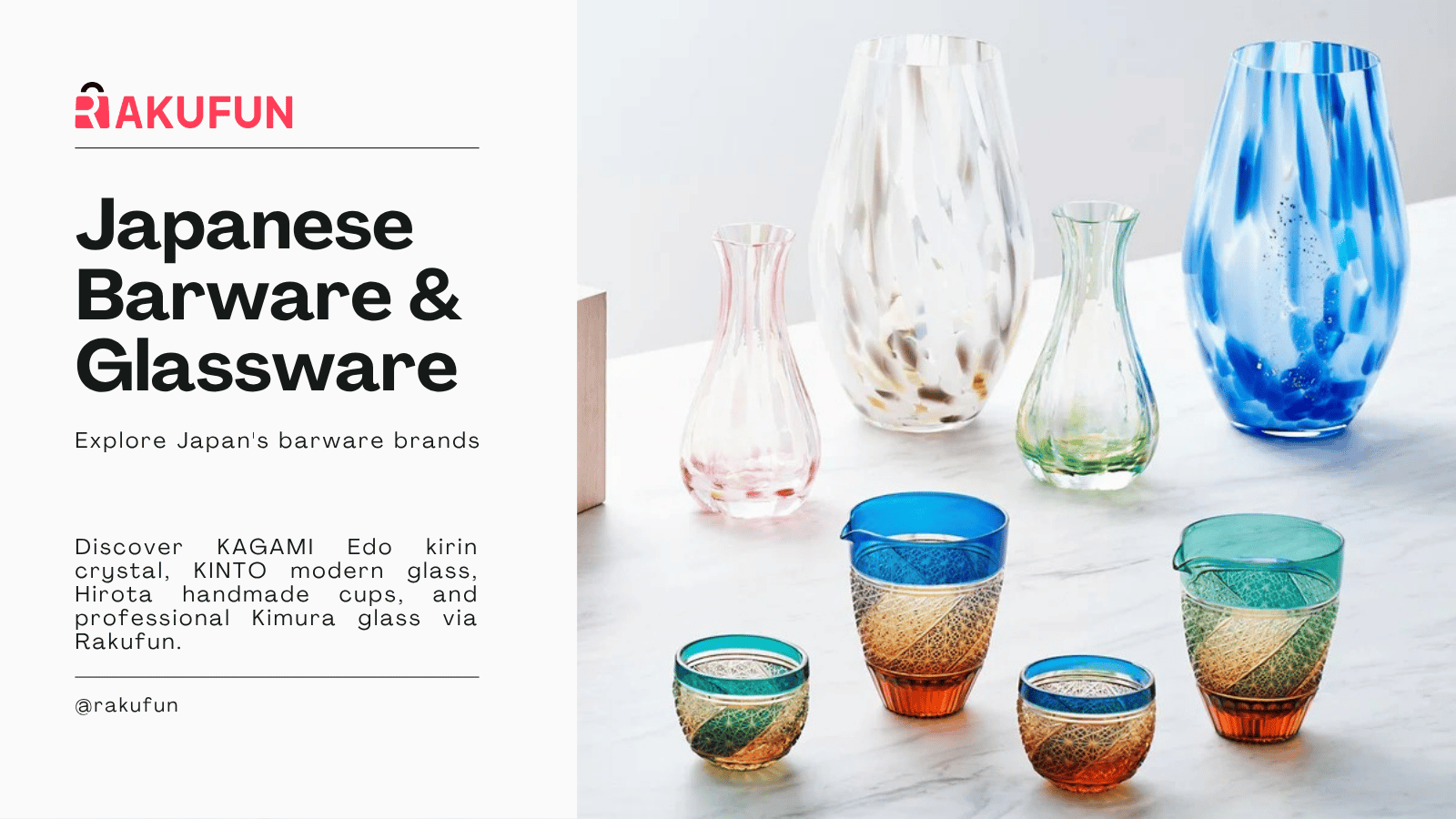
Japan is home to some of the world’s most exquisite drinking vessels. From intricately cut Edo kirin crystals to minimalist modern tumblers, Japanese glassware and barware combine centuries of craftsmanship with thoughtful design. Whether you are pouring a rare single malt, a delicate sake, or a casual highball, the right vessel elevates the experience. This guide introduces Japan’s most respected barware brands, explains what makes each unique, offers practical tips, answers common questions, and shows you how to purchase them using Rakufun Japan proxy service.
Table of Contents
- Why Japanese Glassware and Barware Stands Out
- Top Japanese Barware & Glassware Brands
- Quick Reference Table: Brands at a Glance
- How to Buy Japanese Barware with Rakufun
- Tips for Choosing and Caring for Japanese Glassware
- Frequently Asked Questions (FAQ)
- Final Thoughts
Why Japanese Glassware and Barware Stands Out
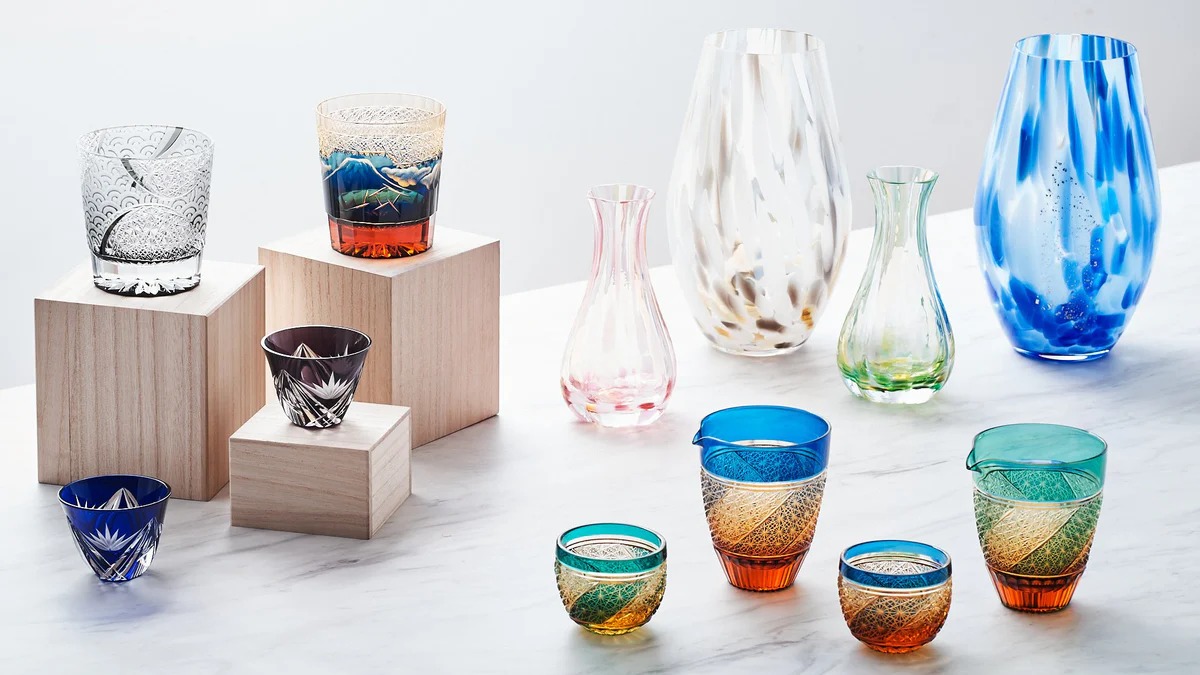
Japanese drinking vessels are not just containers. They are designed to enhance the aroma, temperature, and even the visual pleasure of the beverage. Key characteristics include:
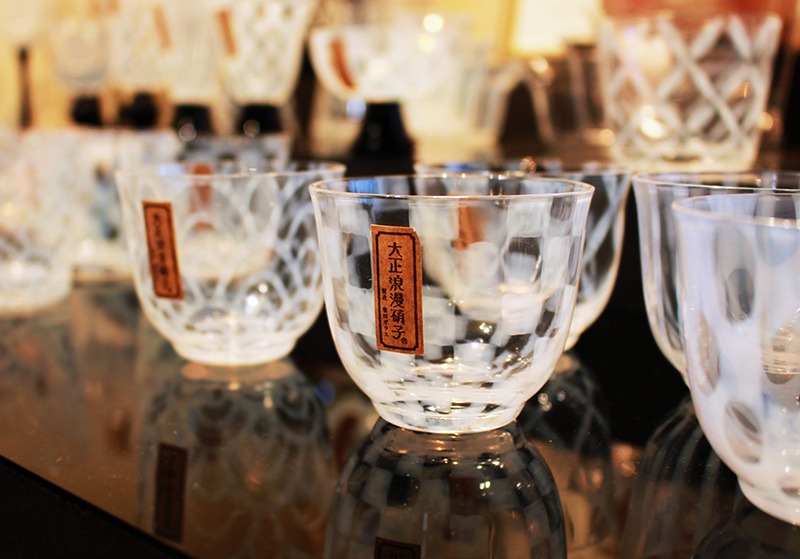
- Edo kirin cut glass: A traditional technique where artisans carve intricate patterns (flowers, geometric shapes) into crystal, creating prismatic light reflections.
- Ultra-thin walls: Some tumblers are so thin you can feel the weight of the liquid barely supported, delivering an unmatched lip feel.
- Precision engineering: Brands like Kimura Glass produce consistent, durable pieces for high-volume restaurant use.
- Hermitage and artistry: KAGAMI has supplied the Imperial Household and creates pieces for state banquets.
Whether you want a showstopping whisky tumbler or a humble ochoko (sake cup), Japan offers something for every taste and budget.
Top Japanese Barware & Glassware Brands
KAGAMI Crystal – Edo Kirin Royalty
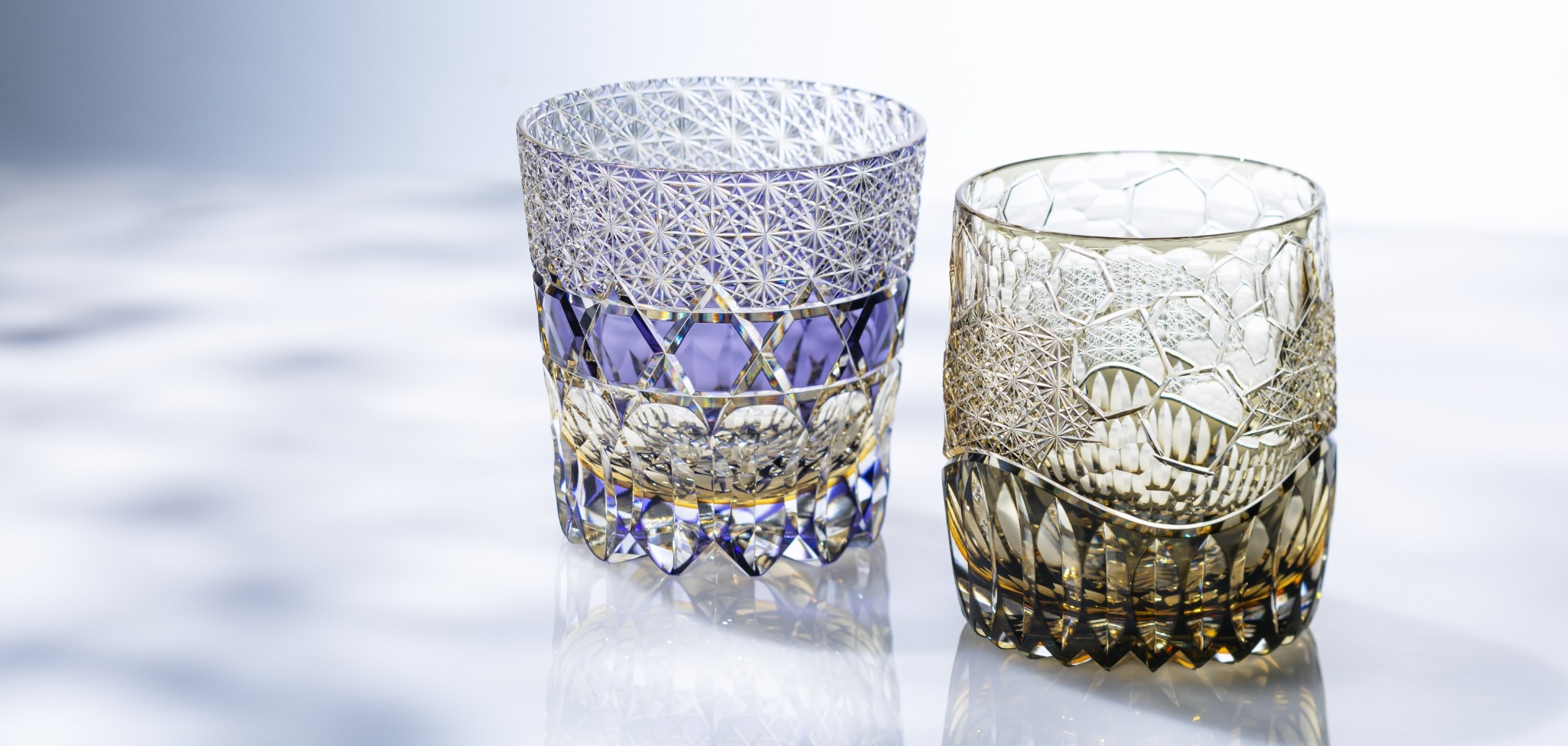
Founded in 1934, KAGAMI Crystal is the definitive name in Japanese Edo kirin cut glass. The brand’s work is distinguished by deep, sharp cuts that create sophisticated light refraction. KAGAMI has been a purveyor to the Imperial Household and its pieces are used at state banquets and diplomatic receptions.
KAGAMI produces a range of stemware, whisky tumblers, and decanters. Their classic “Kagu” (radiant) series features traditional patterns like chrysanthemum and hemp leaf. For contemporary tastes, they also offer “Awaji” (undulating) and “Rindo” (gentian) patterns with softer curves. Each piece is hand-cut and signed.
- Best for: Luxury gifting, serious collectors, traditional Japanese aesthetics
- Typical items: Whisky tumblers, rock glasses, sake cups (guinomi), decanters
KINTO – Modern Minimalism for Daily Use
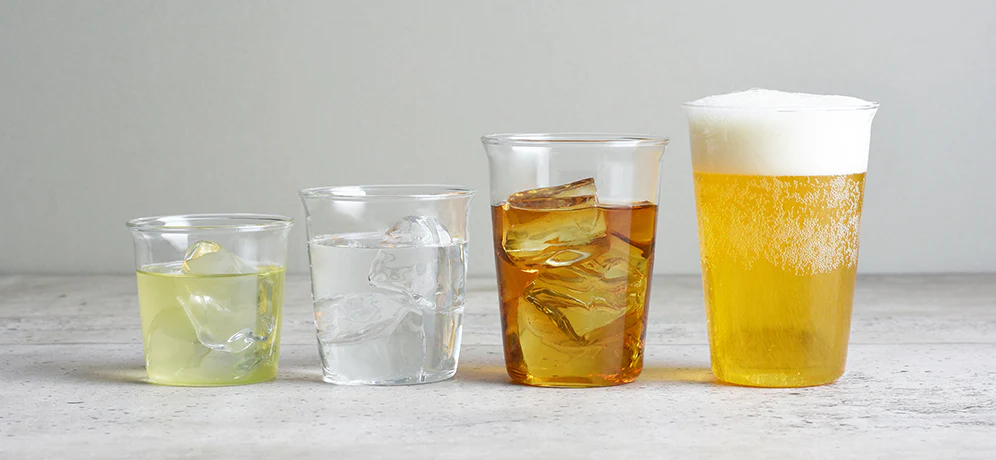
KINTO is a design brand that creates simple, functional glassware for everyday use. Their products are known for clean lines, balanced proportions, and affordable prices. While not hand-cut crystal, KINTO uses high-quality soda-lime glass that feels pleasant in the hand.
Popular lines include the “TO” series (classic tumblers and carafes), “OCT” series (octagonal shapes that fit well in the hand), and “USAGI” series (soft, rounded forms). KINTO also produces double-wall glasses that keep drinks cold or hot without sweating.
- Best for: Daily use, casual entertaining, modern interiors
- Typical items: Highball glasses, whisky glasses, sake cups, carafes, tea cups
Hirota Glass – Vintage Charm and Handmade Warmth
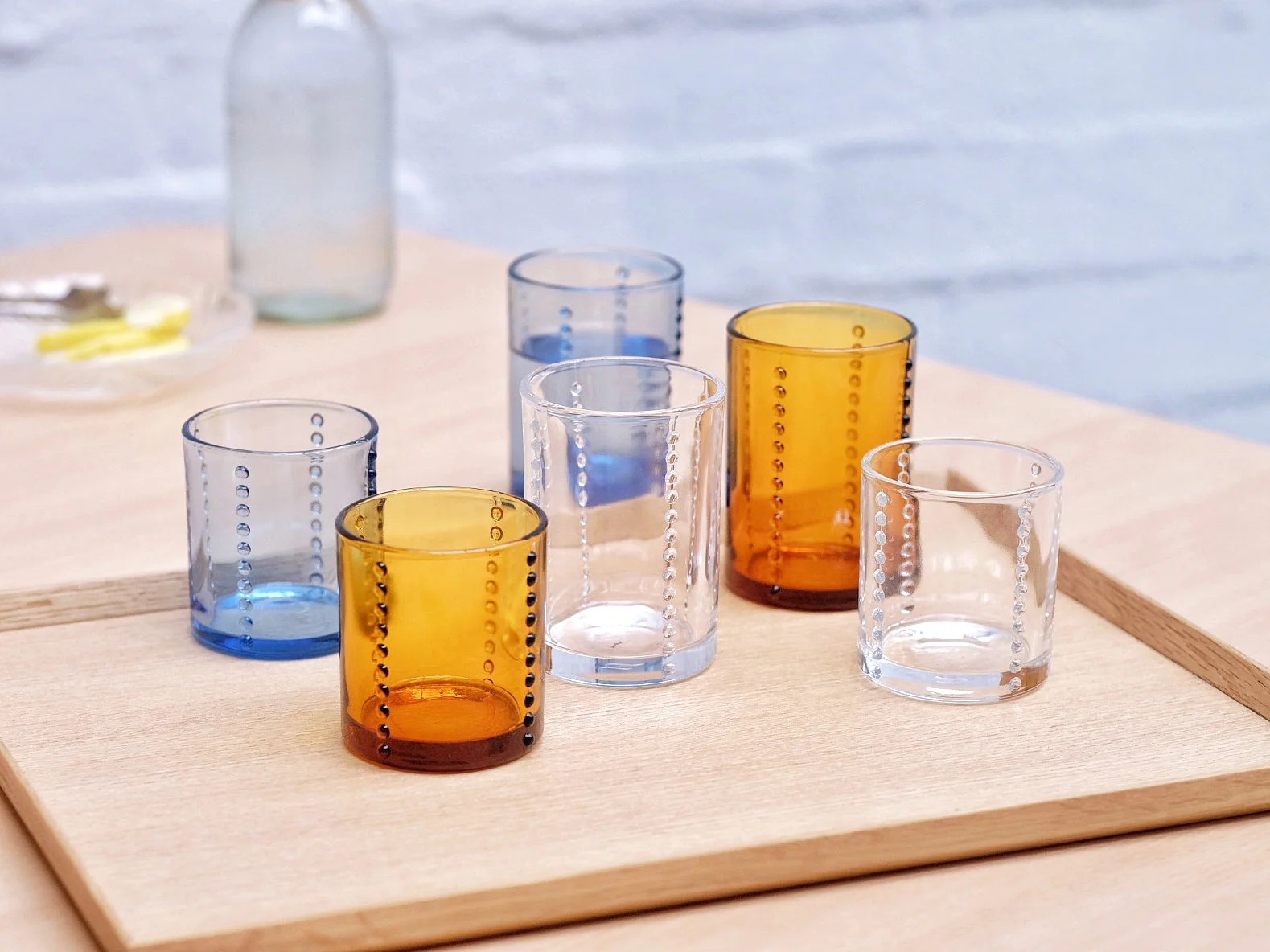
Hirota Glass (Hirota Shoten) was established in 1899 in Tokyo’s Sumida ward. The brand is famous for its hand-blown, slightly imperfect glassware that carries a nostalgic, retro feel. Each piece has a gentle unevenness that tells of the craftsman’s touch. Their “Shizuku” (droplet) line and the mushroom-shaped “Bunken” sake cups are especially popular.
Hirota uses traditional techniques like “soda glass” blowing, resulting in pieces with a soft, warm texture. They also produce replica “Edo glass” (pre‑cut era) with subtle patterns.
- Best for: Fans of handmade aesthetics, retro/vintage decor, sake enthusiasts
- Typical items: Ochoko (sake cups), guinomi (large sake cups), beer mugs, tumblers
Kimura Glass – Professional Grade for Restaurants
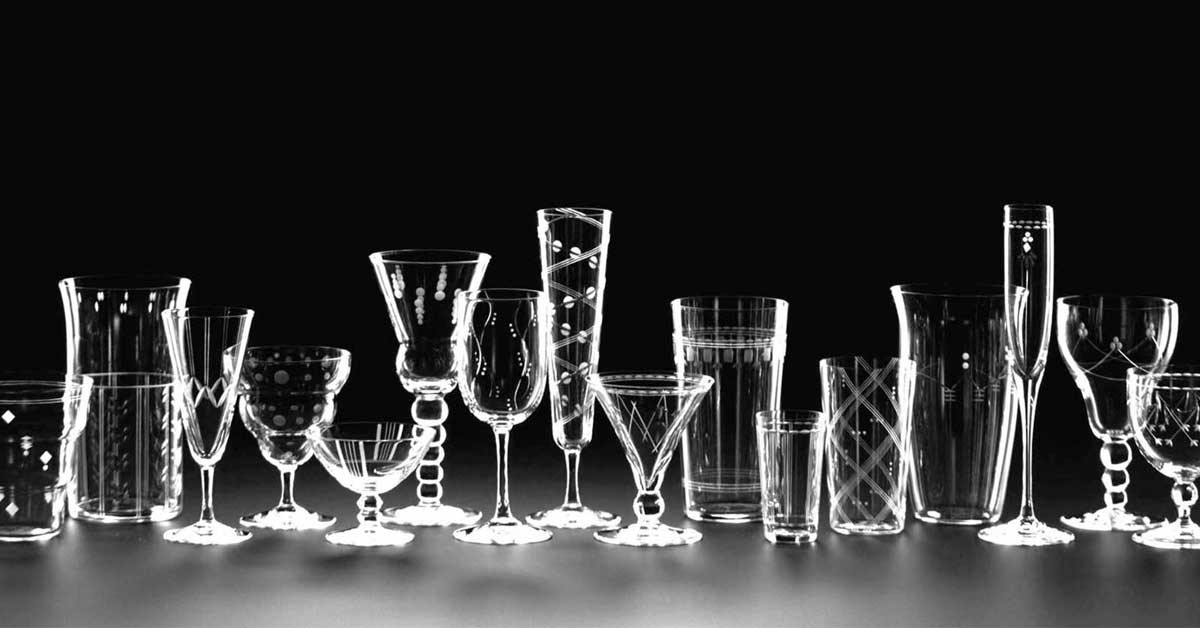
Kimura Glass was founded in 1910 and has become the go‑to brand for restaurants, bars, and hotels across Japan. Their philosophy is “glassware for professionals”: durable, stackable, and consistent. Yet they also offer elegant designs.
Kimura’s “Bar Leader” series features classic shapes for cocktails, highballs, and rocks glasses with excellent clarity. Their “Craft” series offers slightly thicker, more textured pieces for craft beer and spirits. For sake, the “Shizuku” series has a wide range of guinomi and ochoko.
- Best for: Professional settings, high-volume use, durable everyday glassware
- Typical items: Highball glasses, rocks tumblers, cocktail glasses, sake cups
Matsunaga Glass – Ultra-Thin, Whisper-Light Tumblers
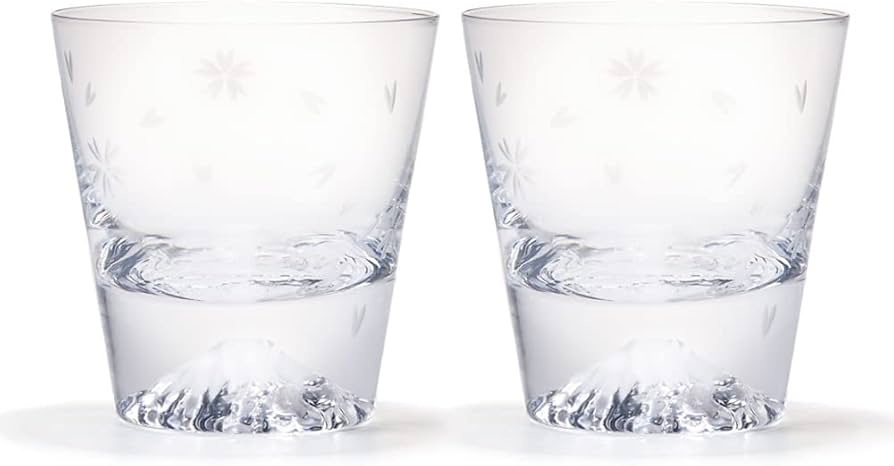
Matsunaga Glass (Matsunaga Shoten) is a small workshop in Osaka famous for producing ultra-thin hand-blown glass. Their “Usuhari” (thin edge) tumblers are so light you barely feel them. When you drink, the rim is nearly imperceptible, allowing the beverage to flow directly onto your palate.
Matsunaga’s signature product is the “Skin” series of whisky tumblers, available in different sizes. They also produce delicate sake cups. Because of the extreme thinness, these glasses require careful handling, but the experience is unique.
- Best for: Whisky connoisseurs, those who value tactile sensation, special occasions
- Typical items: Whisky tumblers, sake cups, rock glasses
Ishizuka Glass – Versatile and Accessible
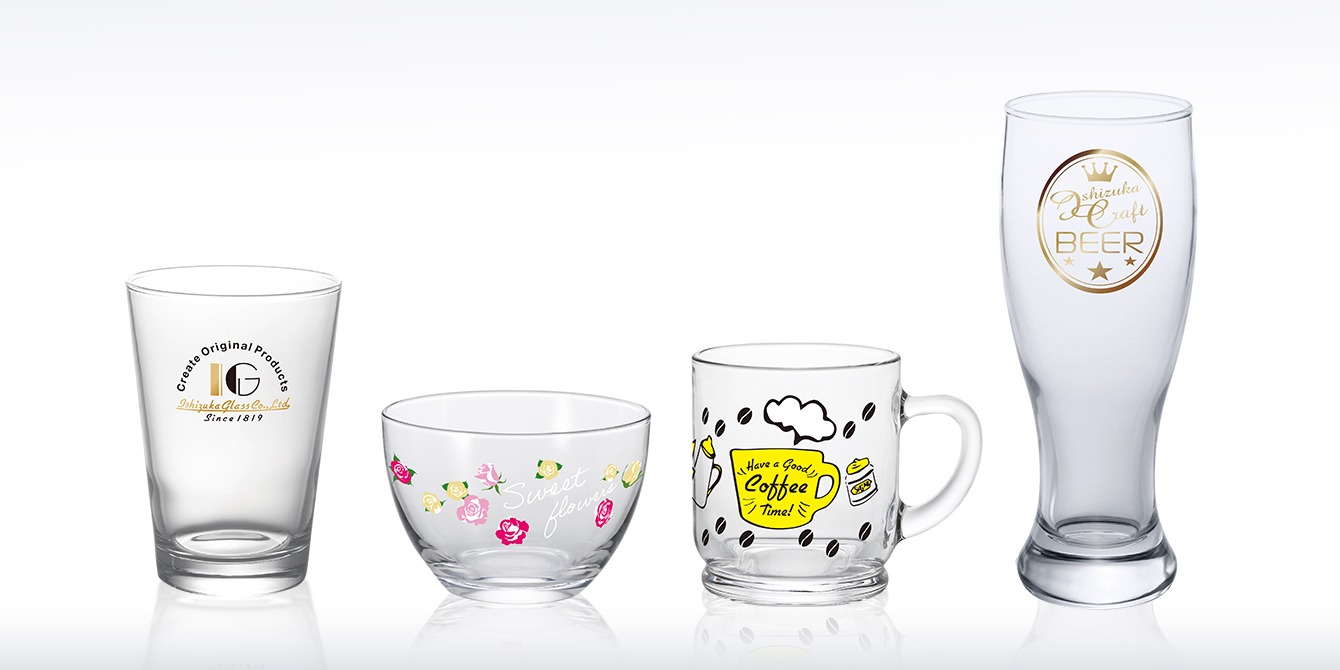
Ishizuka Glass (Ishizuka Shoten) is a large manufacturer offering a wide variety of glassware from mass-market to high-end. Their premium line, “Kagami” (unrelated to KAGAMI Crystal), features cut glass patterns. Their “Satsuma Kiriko” licensed pieces mimic the traditional Kagoshima cut glass style.
For everyday barware, Ishizuka produces the “Bar & Wine” series with durable, well-designed tumblers and highball glasses at affordable prices. They also own the “Ishizuka Glass Gallery” in Tokyo where you can view artisan pieces.
- Best for: Budget-conscious buyers, variety, blending traditional and modern
- Typical items: Whisky glasses, highball glasses, wine glasses, sake sets
Quick Reference Table: Brands at a Glance
| Brand | Key Style | Best For | Price |
| KAGAMI Crystal | Edo kirin cut, crystal | Luxury, traditional, collector | High |
| KINTO | Minimalist, modern | Daily use, casual entertaining | Low to mid |
| Hirota Glass | Hand-blown, retro, organic | Sake drinking, vintage decor | Mid |
| Kimura Glass | Professional, durable | Restaurants, high volume | Mid |
| Matsunaga Glass | Ultra-thin, lightweight | Whisky connoisseurs | Mid to high |
| Ishizuka Glass | Versatile, accessible | Everyday, variety | Low to mid |
Note: Prices are relative. Many brands offer a wide range, so you can find entry-level pieces as well as high-end artisan works.
How to Buy Japanese Barware with Rakufun
Most Japanese glassware brands do not ship internationally. Rakufun is a proxy shopping platform that partners with Japanese marketplaces like Mercari, Rakuma, Surugaya, Rakuten, Amazon Japan, and Yahoo! Japan Auctions. You can search directly or use the Link2Buy tool to purchase from any Japanese website.
Step‑by‑step process:
- Find your item – Use Rakufun’s built‑in search to browse partner platforms, or copy the product URL from a brand’s official site or a retailer like Rakuten and paste it into Link2Buy. Search using Japanese keywords (e.g., “KAGAMI グラス” for KAGAMI glass, “松徳硝子” for Matsunaga, “広田硝子” for Hirota).
- Add to cart and order – Select the item, add any special services, and complete your purchase. Rakufun charges 0% purchasing fees—you pay only for the item and domestic shipping.
- Warehouse arrival – The seller ships your glassware to Rakufun’s domestic warehouse in Japan. You receive a notification when the package arrives.
- Consolidation – Take advantage of up to 90 days of free warehouse storage. If you are buying multiple items (e.g., a set of tumblers from different brands), wait until everything arrives and then combine them into one shipment. This saves significantly on international shipping costs.
- Choose international shipping – Select your preferred shipping method (DHL, EMS). Rakufun professionally repacks your items with extra cushioning to protect fragile glassware. You receive a tracking number to monitor your package.
Pro tip: For high-value or fragile items like KAGAMI crystal or Matsunaga ultra-thin glasses, consider adding Rakufun’s optional Photo Verification service to inspect the item’s condition before international shipping.
Tips for Choosing and Caring for Japanese Glassware
- Match the glass to the drink: For whisky, a wide-bottomed tumbler or rock glass (often called a “lowball”) allows the aromas to concentrate. For sake, smaller ochoko or guinomi are traditional, but modern flutes are also popular. For highballs, a tall, thin glass keeps carbonation active.
- Check the thickness: Ultra-thin glasses (Matsunaga) offer a luxurious lip feel but are fragile. Thicker professional glasses (Kimura) are better for daily use or for those with clumsy hands.
- Hand wash only: Even if a piece says “dishwasher safe,” hand washing with mild detergent and a soft sponge preserves cut patterns and prevents clouding. Avoid abrasive cleaners.
- Dry immediately: After washing, dry with a soft lint-free cloth to prevent water spots, especially on cut crystal. For ultra-thin glasses, air drying on a soft towel is safest.
- Store carefully: Stacking can scratch and chip. Store glasses upright or hang them. For storage, consider putting soft cloth between stacked pieces.
- Inspect before buying secondhand: When buying used glassware through Rakufun, use the photo verification service to check for chips, cracks, or scratches. Even tiny nicks affect the drinking experience.
Frequently Asked Questions (FAQ)
Q: Is Japanese crystal glassware safe for hot liquids? A: Most high-quality crystal and glassware can handle warm liquids (like hot sake or mulled wine), but avoid extreme temperature changes (e.g., pouring boiling water straight into a chilled glass). Some ultra-thin glasses are not designed for hot liquids; check the product description.
Q: Can I use Edo kirin glasses for everyday drinking? A: Yes, but treat them with care. The cut patterns can trap dirt if not cleaned properly, and the glass can be more sensitive to impacts. Many people reserve them for special occasions or serve guests.
Q: What is the difference between “edo kirin” and “satsuma kirin”? A: Edo kirin originated in Tokyo (Edo) and features geometric, often sharper cuts. Satsuma kirin from Kagoshima uses softer, colored overlays (usually clear over a base color like crimson or blue) and often features pictorial designs like flowers or fish. Both are valuable.
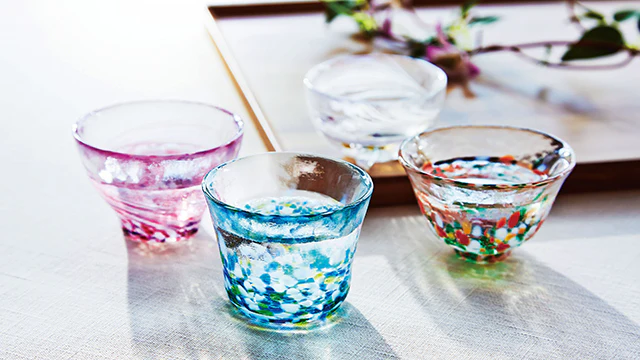
Q: Are there gender-specific sake cups? A: Traditionally, smaller ochoko (about 40–70ml) are used by both genders, but larger guinomi (80–120ml) are sometimes considered more masculine. Modern usage is flexible. Choose what feels comfortable.
Q: What if my glassware arrives broken? A: Rakufun’s after-sales team will help you file a claim. Document the damage with photos and contact Rakufun within 48 hours of delivery. The photo verification service at the warehouse stage can also catch damage before it ships, preventing this situation.
Final Thoughts
Japanese barware and glassware transform a simple drink into a sensory experience. Whether you choose the imperial elegance of KAGAMI, the daily simplicity of KINTO, the hand‑warmed charm of Hirota, the professional reliability of Kimura, the whisper‑light touch of Matsunaga, or the versatile range of Ishizuka, you are bringing a piece of Japanese craftsmanship to your table.
With Rakufun, accessing these exquisite pieces is straightforward. No need to travel to Tokyo or navigate complex international shipping. Just browse, order, consolidate, and receive. Raise a glass to that.