

'%20clip-path='url(%23master_svg0_435_106539/302_155699)'%3e%3cg%20transform='matrix(0,1,1,0,-10,10)'%3e%3cpath%20d='M4.64651757818006,15.35348295818006Q4.57620548818006,15.283170878180059,4.538152908180059,15.19130372818006Q4.500100258180059,15.09943655918006,4.500100258180059,15.00000026818006Q4.500100288180059,14.950764414180059,4.50970571818006,14.90247461918006Q4.519311158180059,14.854184818180059,4.538152908180059,14.80869683818006Q4.556994648180059,14.76320883818006,4.5843486181800595,14.72227072818006Q4.6117025881800595,14.68133261818006,4.646517608180059,14.64651760818006Q4.681332618180059,14.611702588180059,4.722270728180059,14.58434864818006Q4.763208838180059,14.55699467818006,4.80869683818006,14.53815292818006Q4.85418481818006,14.51931115818006,4.90247461918006,14.50970571818006Q4.9507644141800595,14.50010028818006,5.0000002681800595,14.50010025818006Q5.0994365591800594,14.50010025818006,5.19130372818006,14.53815290818006Q5.2831708781800595,14.57620548818006,5.353482958180059,14.64651757818006L5.35355364818006,14.64644688818006L8.00000026818006,17.29289366818006L10.64644696818006,14.64644688818006L10.646517568180059,14.64651757818006Q10.71682956818006,14.57620548818006,10.808696968180058,14.53815290818006Q10.90056446818006,14.50010025818006,11.00000026818006,14.50010025818006Q11.049235568180059,14.50010028818006,11.09752536818006,14.50970571818006Q11.14581516818006,14.51931115818006,11.19130356818006,14.53815290818006Q11.236791368180059,14.55699464818006,11.277729768180059,14.58434861818006Q11.318667668180058,14.611702588180059,11.35348296818006,14.64651760818006Q11.388298268180058,14.68133261818006,11.415652068180059,14.72227072818006Q11.443005868180059,14.76320883818006,11.461847568180058,14.80869683818006Q11.48068926818006,14.854184818180059,11.49029476818006,14.90247461918006Q11.499900168180059,14.950764414180059,11.499900168180059,15.00000026818006Q11.49989966818006,15.09943664118006,11.461846668180058,15.191303868180059Q11.42379406818006,15.28317108818006,11.35348246818006,15.35348319818006L11.353553068180059,15.353553648180059L8.35355356818006,18.35355356818006Q8.283227468180058,18.42387966818006,8.191341868180059,18.46193986818006Q8.099456068180059,18.50000006818006,8.000000068180059,18.50000006818006Q7.9005439681800596,18.50000006818006,7.80865836818006,18.46193986818006Q7.71677286818006,18.42387966818006,7.64644696818006,18.35355356818006L4.646446888180059,15.353553648180059L4.64651757818006,15.35348295818006Z'%20fill-rule='evenodd'%20fill='%23A0A2A2'%20fill-opacity='1'%20style='mix-blend-mode:passthrough'/%3e%3c/g%3e%3c/g%3e%3c/svg%3e)
'%3e%3cg%20transform='matrix(0,-1,1,0,-4,14)'%3e%3cpath%20d='M4.57582074,9.42417926Q4.49144626,9.33980477,4.44578308,9.22956416Q4.40011996,9.11932355,4.40011996,9Q4.40012002,8.940916978,4.41164654,8.88296923Q4.42317307,8.82502148,4.4457832,8.77043588Q4.46839327,8.71585029,4.50121802,8.66672456Q4.53404278,8.61759883,4.5758208,8.5758208Q4.61759883,8.53404278,4.6667245600000005,8.50121802Q4.71585029,8.46839321,4.77043588,8.44578314Q4.82502148,8.42317307,4.88296923,8.41164649Q4.940916978,8.40012002,5,8.40011996Q5.11932355,8.40011996,5.22956416,8.44578314Q5.33980477,8.49144626,5.42417926,8.57582074L5.4242640699999995,8.57573593L8,11.1514719L10.575736,8.57573593L10.5758209,8.57582062Q10.6601949,8.4914462,10.770435299999999,8.44578314Q10.880676300000001,8.40012002,11,8.40011996Q11.059083000000001,8.40012002,11.117030100000001,8.41164654Q11.1749778,8.42317307,11.229563200000001,8.4457832Q11.2841492,8.46839327,11.3332748,8.50121802Q11.3824005,8.53404278,11.4241791,8.5758208Q11.4659567,8.61759883,11.4987817,8.66672456Q11.531606700000001,8.71585029,11.5542164,8.77043588Q11.5768266,8.82502148,11.5883532,8.88296923Q11.599880200000001,8.940916978,11.599880200000001,9Q11.599880200000001,9.1193236,11.5542164,9.22956422Q11.5085535,9.33980486,11.4241791,9.42417938L11.424264,9.42426407L8.424264,12.424264Q8.3398728,12.508655300000001,8.229610000000001,12.5543277Q8.1193473,12.5999999,7.999999799999999,12.5999999Q7.8806524,12.5999999,7.7703898,12.5543275Q7.6601272,12.5086551,7.5757358,12.424264L4.5757359300000005,9.42426407L4.57582074,9.42417926Z'%20fill-rule='evenodd'%20fill='%23000000'%20fill-opacity='1'/%3e%3c/g%3e%3c/g%3e%3c/svg%3e)
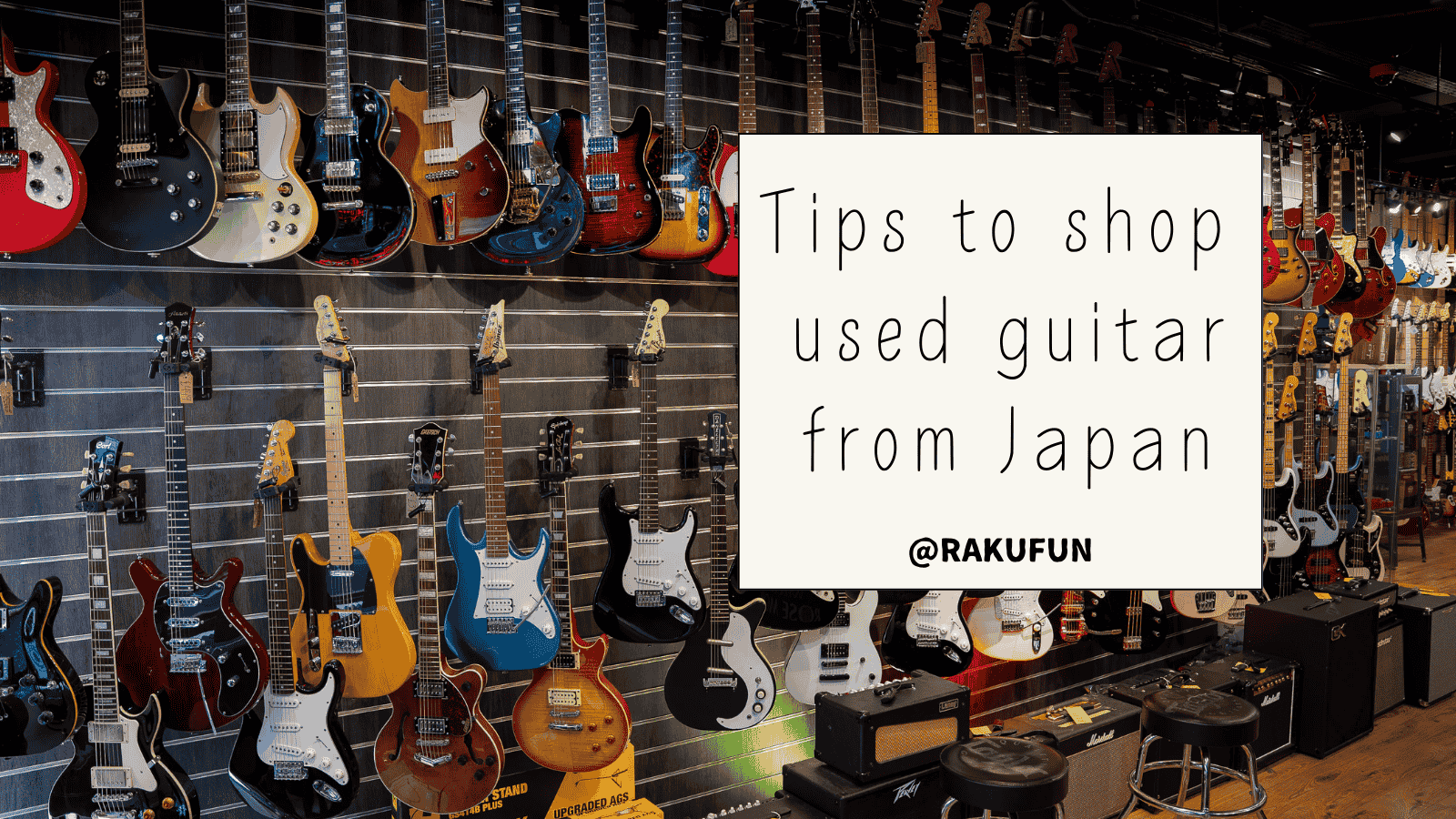
Japan has long been recognized for its high-quality musical instruments, and the used market offers excellent opportunities to find well-maintained guitars at reasonable prices. Many players look to buy japanese used guitars because of the country’s reputation for precise manufacturing and careful owner maintenance. Whether you’re searching for a vintage Ibanez, a reliable Yamaha, or other Japanese Guitar Brands, shopping second-hand can be rewarding. This guide provides balanced, practical tips based on common buyer experiences, while explaining how Japan proxy service can help international customers access these items safely and efficiently.
Table of Contents
- Why Consider Buying Used Guitars from Japan?
- Pros and Cons of Buying Used Japanese Guitars
- Popular Japanese Guitar Brands in the Used Market
- Step-by-Step Guide to Buy Japanese Used Guitars via Rakufun
- How to Inspect and Verify Your Guitar Upon Arrival
- Tips for Success When Buying Used Japanese Guitars
- Conclusion
Why Consider Buying Used Guitars from Japan?
Used guitars from Japan often reflect the country’s strong guitar-making heritage. Japanese guitar manufacturers have built a solid global reputation for consistent quality control, durable construction, and thoughtful design details. Many guitar made in Japan models from the 1980s to 2000s are still highly regarded today for their playability and tone.
International buyers frequently turn to Japan because:
- Instruments are typically stored indoors and well cared for.
- Parts and setups follow high standards.
- Prices for used Japanese Guitar Brands are often more accessible than equivalent new or vintage American models.
This combination makes Japan an attractive source for both beginners upgrading their first electric and experienced players hunting for specific guitar made in Japan pieces.
Pros and Cons of Buying Used Japanese Guitars
Pros
- Potential for significant savings on high-quality guitar made in Japan instruments.
- Access to unique or discontinued Japanese guitar models not readily available elsewhere.
- Generally reliable construction from established japanese guitar manufacturers, even in pre-owned condition.
- Wide selection across genres through Japan's active second-hand ecosystem.
Cons
- Conditions can vary widely; visual inspections rely on seller photos and descriptions.
- Limited or no manufacturer warranty on most used items.
- Language barriers on original listings can complicate direct communication.
Popular Japanese Guitar Brands in the Used Market
Before diving into the mechanics of purchasing, it helps to understand which Japanese guitar brands dominate the market and why they matter.
Iconic Japanese Guitar Manufacturers
When exploring Japanese guitar manufacturers, several names consistently appear:
- Ibanez: Founded in 1957, Ibanez revolutionized electric guitar design with innovative body shapes and thin necks. Their JEM series became legendary among metal and progressive rock players. Used Ibanez guitars, particularly from the 1980s-2000s golden era, command strong prices and represent exceptional value on the used market.
- Yamaha: Known for reliability and consistency across price points, Yamaha produces everything from beginner-friendly acoustics to professional-grade electric and classical models. Their manufacturing precision means even older Yamaha guitars often require minimal maintenance.
- Fender Japan: Fender's Japanese subsidiary produces Fender-branded guitars specifically for Japanese and international markets. Many Fender Japan models are constructed to the same specifications as American models but priced more competitively—making the used market particularly attractive.
- Tokai: Specializing in Gibson and Fender replicas, Tokai became famous in the 1970s-80s for producing near-identical copies at a fraction of the cost. Original Tokai guitars are now sought-after vintage pieces.
- Greco: Another master copyist, Greco built guitars closely resembling Les Pauls and Telecasters. Vintage Greco instruments from the 1970s are now collectors' items.
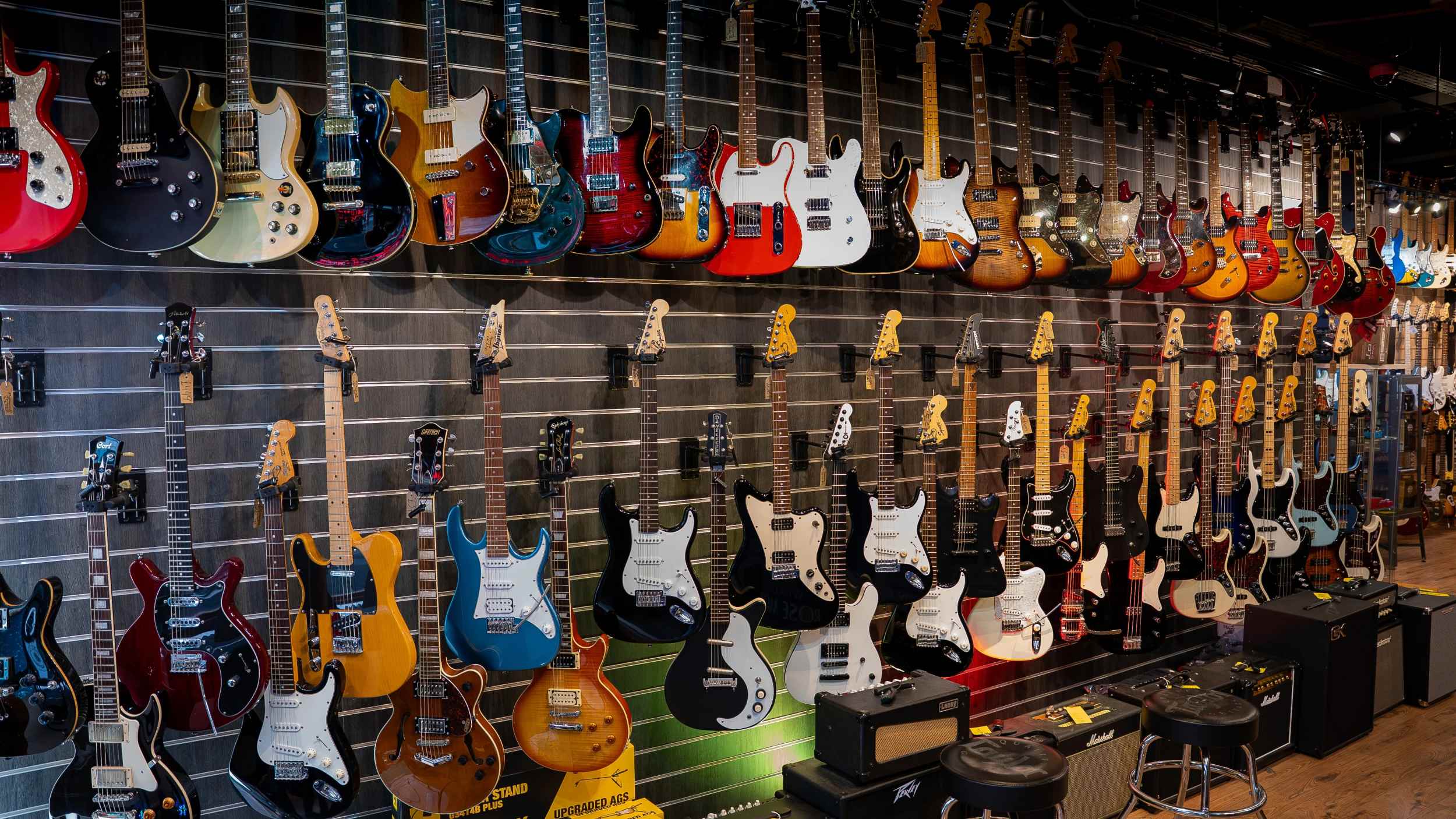
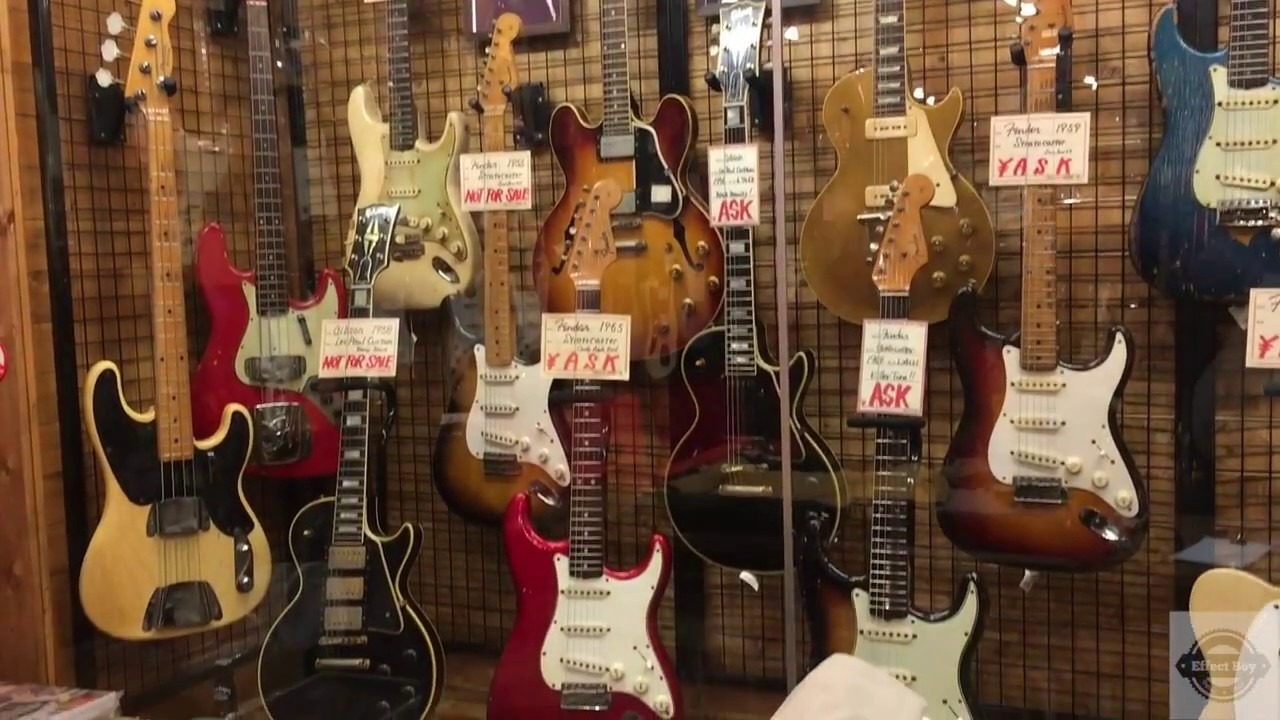
These are just the most prominent names—many regional and boutique Japanese guitar brands also produce excellent instruments worth discovering through platforms like JDirectItems Auction(Yahoo Auction) and Rakuma. Other notable Japanese guitar manufacturers seen regularly include Aria, Tokai, and Momose. When shopping used, focus on serial numbers and “Made in Japan” or “MIJ” markings to verify origin.
Step-by-Step Guide to Buy Japanese Used Guitars via Rakufun
Now that you understand the value proposition and challenges, here's how the actual purchasing process works through Rakufun.
Step 1: Browse and Search
You can access Rakufun via web or app. Begin by searching for the Japanese guitar or specific model you're looking for. Rakufun's search pulls results from its partner platforms—JDirectItems Auction(Yahoo Auction), Mercari, Rakuma, and Surugaya—all in one place. This aggregation is the key time-saver compared to visiting each platform individually.
Step 2: Add Items to Cart
Once you've identified a guitar you like, add it to your Rakufun shopping cart. The listing will show photos, condition details, seller information, and current or starting price. Unlike many Japanese platforms, Rakufun provides detailed condition descriptions in English.
Before purchasing, you can use the Rakufun shipping calculator to estimate the exact cost of shipping your guitar internationally. This transparency allows you to make a fully informed buying decision and budget accurately.
Step 3: Complete Purchase
Rakufun accepts international payment methods—credit cards, PayPal, and other options. You won't need a Japanese bank account or address. Complete the purchase through Rakufun's secure checkout.
Step 4: Warehouse Inspection and Receipt
Your guitar is shipped to Rakufun's Japanese warehouse. Upon receipt, Rakufun provide services like inspects the item, verifies condition matches the listing description, and photographs it if needed. This quality-assurance step protects you against misrepresentation.
Step 5: Consolidation
If you've purchased multiple guitars or items, you can request consolidation. Rakufun will combine them into a single international shipment, reducing overall shipping costs—a significant advantage when buy Japanese products for multiple items.
Step 6: Shipping Selection and Dispatch
Once all items are ready, you select your preferred shipping method. Options typically include standard international shipping, express services, and potentially regional carriers depending on your location. Rakufun handles all documentation, customs declarations, and carrier coordination. Your package is then dispatched.
Step 7: Track and Receive
You receive tracking information and can monitor your shipment internationally. Upon arrival, clear customs (usually automatic for used instruments for personal use) and receive your guitars.
How to Inspect and Verify Your Guitar Upon Arrival
After your purchase through Rakufun arrives, a careful inspection is one of the most important steps to confirm the guitar matches the seller’s description and is free from hidden issues.
Practical Inspection Tips:
- Examine the Packaging First: Check the outer box for dents, tears, or water damage. Note how the guitar was packed (bubble wrap, cardboard reinforcement, etc.).
- Visual Check: Compare the guitar directly with the original listing photos. Look closely at the body for scratches, dings, or finish cracks; check the neck for any bowing by sighting down the fretboard; inspect frets for excessive wear or pitting.
- Hardware and Electronics Test: For electric guitars, plug in and test all pickups, switches, volume/tone knobs, and the output jack. Listen for crackling or dead spots. For acoustics, strum open chords and listen for even resonance and sustain.
- Playability Check: Tune the guitar and test tuning stability over 10–15 minutes. Play scales across the full fretboard to detect buzzing, dead frets, or high action. If possible, use a straight edge or feeler gauge to check neck relief.
- Serial Number and Authenticity: Verify the serial number matches the listing and confirm “guitar made in Japan” or “MIJ” markings if applicable.
- Document Immediately: Take clear photos and a short video of the guitar (including any issues) right after unboxing. This is essential for any potential claims.
If anything appears inconsistent, contact Rakufun support promptly — they can assist in communicating with the seller or handling return processes where available.
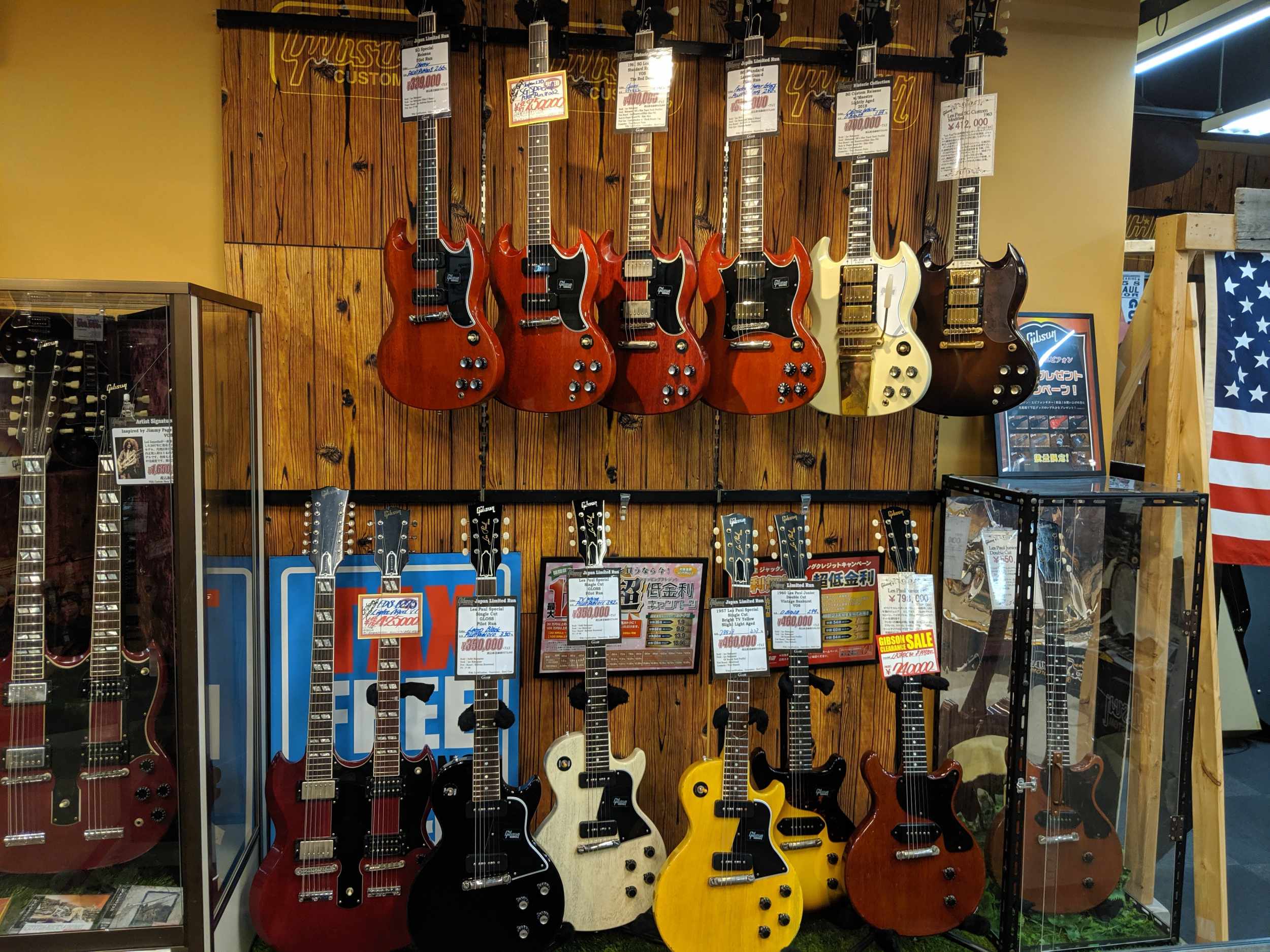
Tips for Success When Buying Used Japanese Guitars
Before searching, understand exactly what you're looking for. Know the model name, production year (if relevant), and any specific features that matter to you. Japanese guitar naming conventions differ from Western standards—familiarize yourself with these before searching.
- Study Condition Ratings
Japanese platforms use a standardized condition system (typically "like new," "excellent," "good," "fair"," "poor"). Understand what each rating really means. "Good" on a used Japanese guitar is often higher quality than "good" elsewhere. Ask Rakufun for additional photos or clarification if uncertain.
- Compare Prices Across Listings
Use Rakufun's aggregation to your advantage. Search broadly and compare prices across Yahoo Auction, Mercari, Rakuten, Rakuma, and Surugaya listings. Price variations can be significant, and patient searching yields better deals.
- Build in Time
While Rakufun streamlines the process, the full cycle from purchase to delivery typically takes 3-6 weeks depending on shipping method and your location. Plan accordingly if you need a guitar by a specific date.
- Use the shipping calculator Strategically
Before committing to a purchase, always use the Rakufun shipping calculator. Understand exactly what you'll pay for shipping. If shipping costs exceed your budget, it's better to discover that before purchasing.
- Verify Authenticity on Higher-Value Items
For expensive vintage guitars or rare models, consider requesting Rakufun to verify authenticity through photos or serial number research. While counterfeit guitars are rare, this additional step provides peace of mind on significant purchases.
- Communicate Directly with Rakufun
If you have questions about a specific listing or need clarification, reach out to Rakufun's support team. They can communicate with sellers on your behalf and help ensure you're making an informed decision.
Conclusion
The Japanese used guitar market is accessible to international buyers through this structured framework. Whether you are seeking a specific Japanese guitar manufacturers model, a rare vintage piece from the 1970s or 1980s golden era, or simply exploring the depth of Japan's musical instrument ecosystem, the combination of careful research and reliable proxy support makes the process achievable.
Start your search today on JDirectItems Auction or Mercari, and let Rakufun handle the logistics of bringing your next guitar made in Japan from our warehouse to your hands.