





'%20clip-path='url(%23master_svg0_435_106539/302_155699)'%3e%3cg%20transform='matrix(0,1,1,0,-10,10)'%3e%3cpath%20d='M4.64651757818006,15.35348295818006Q4.57620548818006,15.283170878180059,4.538152908180059,15.19130372818006Q4.500100258180059,15.09943655918006,4.500100258180059,15.00000026818006Q4.500100288180059,14.950764414180059,4.50970571818006,14.90247461918006Q4.519311158180059,14.854184818180059,4.538152908180059,14.80869683818006Q4.556994648180059,14.76320883818006,4.5843486181800595,14.72227072818006Q4.6117025881800595,14.68133261818006,4.646517608180059,14.64651760818006Q4.681332618180059,14.611702588180059,4.722270728180059,14.58434864818006Q4.763208838180059,14.55699467818006,4.80869683818006,14.53815292818006Q4.85418481818006,14.51931115818006,4.90247461918006,14.50970571818006Q4.9507644141800595,14.50010028818006,5.0000002681800595,14.50010025818006Q5.0994365591800594,14.50010025818006,5.19130372818006,14.53815290818006Q5.2831708781800595,14.57620548818006,5.353482958180059,14.64651757818006L5.35355364818006,14.64644688818006L8.00000026818006,17.29289366818006L10.64644696818006,14.64644688818006L10.646517568180059,14.64651757818006Q10.71682956818006,14.57620548818006,10.808696968180058,14.53815290818006Q10.90056446818006,14.50010025818006,11.00000026818006,14.50010025818006Q11.049235568180059,14.50010028818006,11.09752536818006,14.50970571818006Q11.14581516818006,14.51931115818006,11.19130356818006,14.53815290818006Q11.236791368180059,14.55699464818006,11.277729768180059,14.58434861818006Q11.318667668180058,14.611702588180059,11.35348296818006,14.64651760818006Q11.388298268180058,14.68133261818006,11.415652068180059,14.72227072818006Q11.443005868180059,14.76320883818006,11.461847568180058,14.80869683818006Q11.48068926818006,14.854184818180059,11.49029476818006,14.90247461918006Q11.499900168180059,14.950764414180059,11.499900168180059,15.00000026818006Q11.49989966818006,15.09943664118006,11.461846668180058,15.191303868180059Q11.42379406818006,15.28317108818006,11.35348246818006,15.35348319818006L11.353553068180059,15.353553648180059L8.35355356818006,18.35355356818006Q8.283227468180058,18.42387966818006,8.191341868180059,18.46193986818006Q8.099456068180059,18.50000006818006,8.000000068180059,18.50000006818006Q7.9005439681800596,18.50000006818006,7.80865836818006,18.46193986818006Q7.71677286818006,18.42387966818006,7.64644696818006,18.35355356818006L4.646446888180059,15.353553648180059L4.64651757818006,15.35348295818006Z'%20fill-rule='evenodd'%20fill='%23A0A2A2'%20fill-opacity='1'%20style='mix-blend-mode:passthrough'/%3e%3c/g%3e%3c/g%3e%3c/svg%3e)
'%3e%3cg%20transform='matrix(0,-1,1,0,-4,14)'%3e%3cpath%20d='M4.57582074,9.42417926Q4.49144626,9.33980477,4.44578308,9.22956416Q4.40011996,9.11932355,4.40011996,9Q4.40012002,8.940916978,4.41164654,8.88296923Q4.42317307,8.82502148,4.4457832,8.77043588Q4.46839327,8.71585029,4.50121802,8.66672456Q4.53404278,8.61759883,4.5758208,8.5758208Q4.61759883,8.53404278,4.6667245600000005,8.50121802Q4.71585029,8.46839321,4.77043588,8.44578314Q4.82502148,8.42317307,4.88296923,8.41164649Q4.940916978,8.40012002,5,8.40011996Q5.11932355,8.40011996,5.22956416,8.44578314Q5.33980477,8.49144626,5.42417926,8.57582074L5.4242640699999995,8.57573593L8,11.1514719L10.575736,8.57573593L10.5758209,8.57582062Q10.6601949,8.4914462,10.770435299999999,8.44578314Q10.880676300000001,8.40012002,11,8.40011996Q11.059083000000001,8.40012002,11.117030100000001,8.41164654Q11.1749778,8.42317307,11.229563200000001,8.4457832Q11.2841492,8.46839327,11.3332748,8.50121802Q11.3824005,8.53404278,11.4241791,8.5758208Q11.4659567,8.61759883,11.4987817,8.66672456Q11.531606700000001,8.71585029,11.5542164,8.77043588Q11.5768266,8.82502148,11.5883532,8.88296923Q11.599880200000001,8.940916978,11.599880200000001,9Q11.599880200000001,9.1193236,11.5542164,9.22956422Q11.5085535,9.33980486,11.4241791,9.42417938L11.424264,9.42426407L8.424264,12.424264Q8.3398728,12.508655300000001,8.229610000000001,12.5543277Q8.1193473,12.5999999,7.999999799999999,12.5999999Q7.8806524,12.5999999,7.7703898,12.5543275Q7.6601272,12.5086551,7.5757358,12.424264L4.5757359300000005,9.42426407L4.57582074,9.42417926Z'%20fill-rule='evenodd'%20fill='%23000000'%20fill-opacity='1'/%3e%3c/g%3e%3c/g%3e%3c/svg%3e)
Japan's influence on the global music scene extends far beyond its pop culture exports, with its guitar manufacturing standing as a testament to the country's engineering prowess and attention to detail. Guitars made in Japan have become synonymous with reliability, innovation, and a wide range of tonal possibilities, appealing to musicians from casual hobbyists to touring professionals.

This guide delves into the world of Japan guitars, covering why they might be a solid choice for your next instrument, key Japanese guitar brands, reputable online stores, selection tips, and neutral recommendations. For those outside Japan, we'll also outline how Rakufun Japan proxy shopping service can facilitate access to these products, bridging the gap between Japanese sellers and international buyers. Whether you're eyeing an electric shredder or a warm acoustic, understanding the landscape can help you make an informed decision that aligns with your musical needs.
Table of Contents
- Why Opt for Guitars Made in Japan?
- Renowned Japanese Guitar Brands
- Recommended Online Stores for Japan Guitars
- Factors to Consider When Choosing a Japanese Guitar
- Mid-Range Recommendations for Different Playing Styles
- How to Shop via Rakufun?
- Conclusion
Why Opt for Guitars Made in Japan?
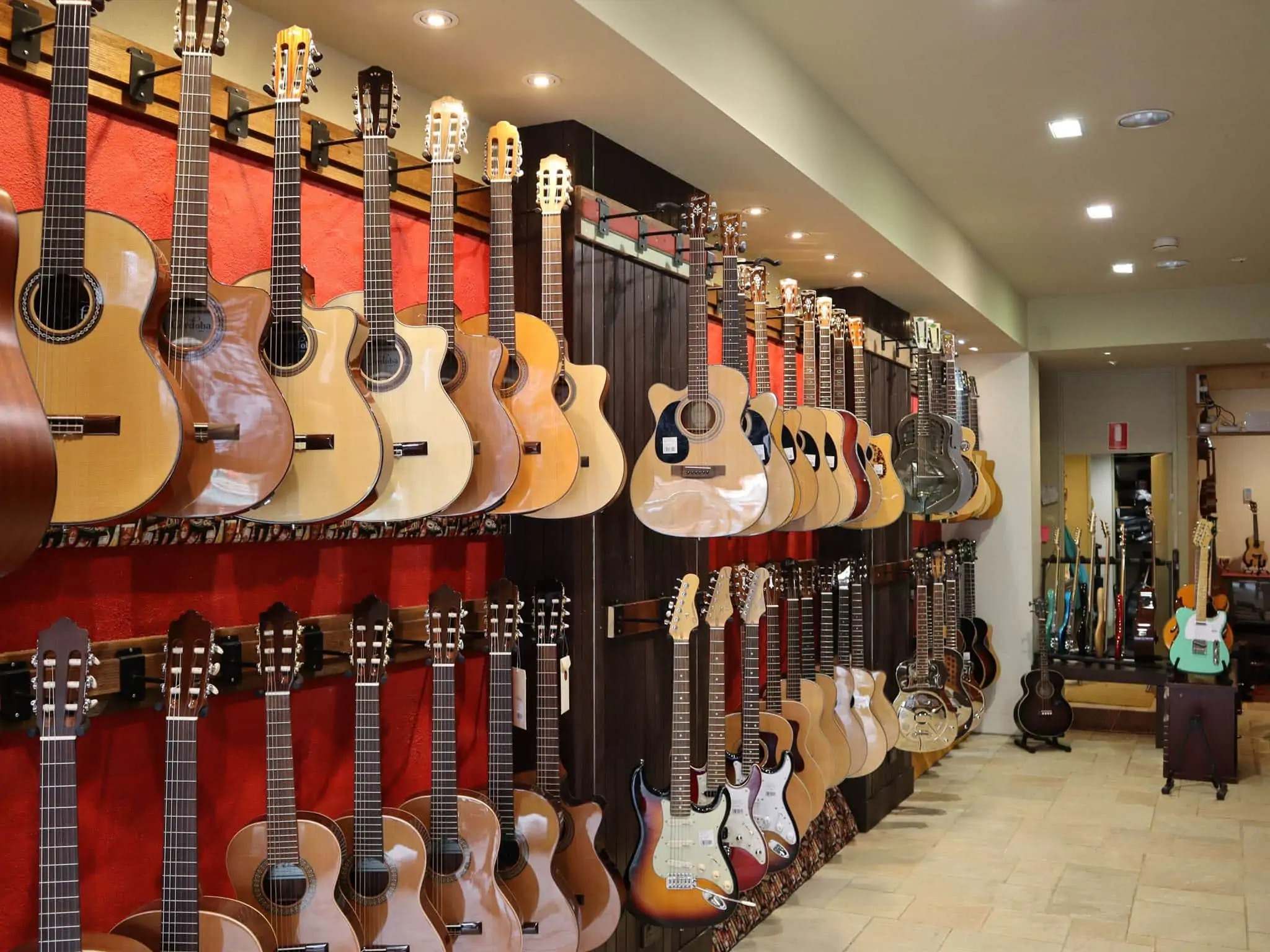
Guitars made in Japan often stand out due to their consistent build quality, which stems from Japan's industrial precision and quality control standards. These instruments typically incorporate high-quality components, such as select tonewoods, reliable electronics, and ergonomic designs that enhance playability over long sessions.
Key Advantages Include:
- Durability and Longevity: Japanese factories emphasize robust construction, using techniques like bolt-on necks with reinforced joints or set-neck designs that resist warping. This results in guitars that hold up well under regular use, making them suitable for gigging musicians.
- Value for Money: While prices vary, many Japan guitars offer premium features at mid-range costs. For example, models with active pickups or multi-scale fretboards—innovations popularized by Japanese brands—provide versatility without the premium markup seen in some Western counterparts.
- Innovation in Design: Japan has pioneered features like superstrat bodies for better upper-fret access and eco-conscious materials, such as recycled composites in some modern lines. This forward-thinking approach caters to evolving player preferences, from metal enthusiasts needing low-action setups to acoustic players seeking natural resonance.
- Cultural and Historical Appeal: Icons like the Fender Japan reissues capture vintage vibes with modern reliability, drawing from Japan's role in reviving classic designs during the 1980s lawsuit era.
However, it's important to note potential drawbacks: some entry-level models might use laminated woods instead of solids, which can affect sustain, and import duties could add to the cost for international buyers. Overall, if you're seeking an instrument that balances tradition with modernity, guitars made in Japan provide a compelling option without overhyping their superiority—it's about finding what fits your sound and budget.
Renowned Japanese Guitar Brands
Japanese guitar brands have carved out niches in various genres, offering diversity in style and price points. Here's an overview of some established Japanese guitar brands, focusing on their strengths and typical offerings:
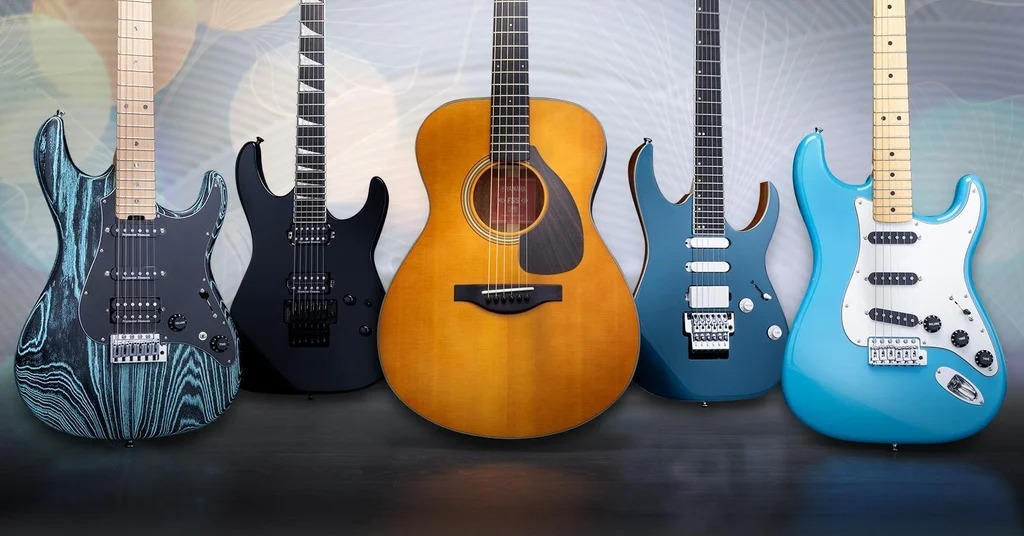
- Yamaha: A versatile giant, Yamaha produces everything from beginner acoustics to professional electrics. Their FG series acoustics are praised for warm tones and solid spruce tops, while the Revstar electrics feature unique chambered bodies for enhanced resonance. Yamaha's guitars made in Japan emphasize affordability and reliability, making them a go-to for educators and studios.
- Ibanez: Specializing in high-performance electrics, Ibanez is renowned for slim Wizard necks that facilitate fast playing. Models like the Prestige RG series, guitars made in Japan, incorporate exotic woods and DiMarzio pickups for articulate highs, ideal for rock and metal. Their Artist series offers more traditional semi-hollow options for jazz players.
- ESP: From custom shop origins, ESP delivers heavy-hitting instruments with a focus on metal. The E-II line, produced as guitars made in Japan, includes features like EMG active pickups and ebony fretboards. Their basses are equally robust, with models endorsed by bassists in extreme genres.
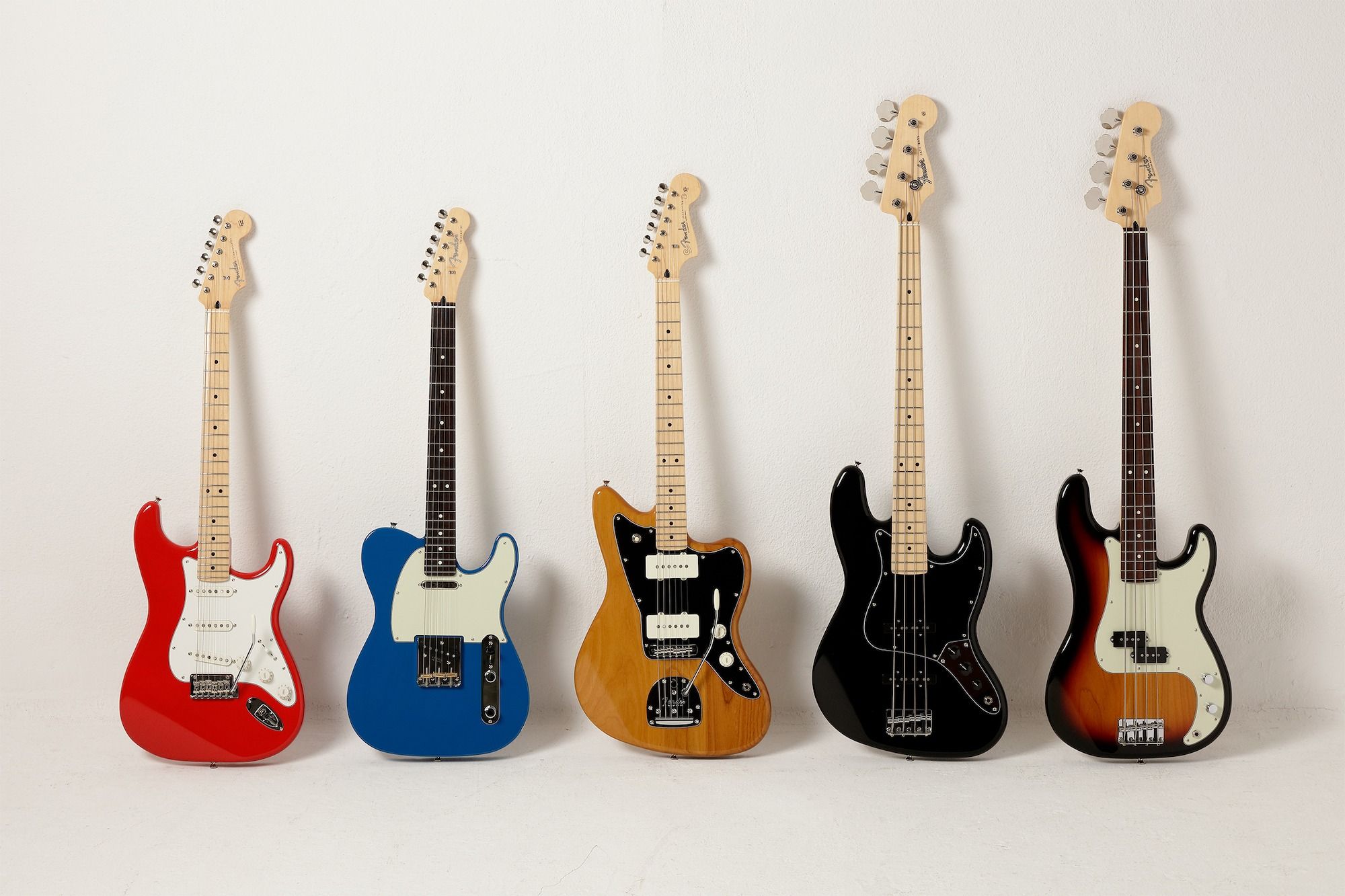
- Fujigen (Formerly Fender Japan): Continuing the legacy of Fender's Japanese operations, Fujigen crafts Stratocasters and Telecasters with Japanese twists, such as alder bodies and vintage-style hardware. These guitars made in Japan appeal to players wanting authentic Fender feel with enhanced stability.
- Takamine: Leaders in acoustic-electric hybrids, Takamine's guitars feature built-in preamps for seamless amplification. The Pro Series, often guitars made in Japan, uses cedar or spruce tops for rich projection, suiting fingerstyle and folk artists.
- Other Notables: Brands like Aria and Tokai offer budget-friendly alternatives with solid reputations for replicas of classic American designs, while boutique makers like Momose provide custom options for discerning players.
Researching these Japanese guitar brands through forums and demos is advisable, as personal preference plays a big role in tone perception.
Recommended Online Stores for Japan Guitars
Japan boasts a vibrant online marketplace for musical instruments, with stores that stock exclusive Japan guitars not easily found elsewhere. These platforms often include detailed listings, user reviews, and sometimes virtual try-outs:
- Ishibashi Music: A dedicated instrument retailer with an extensive catalog of new and vintage guitars made in Japan. They provide high-resolution images, spec sheets, and occasional bundle deals with accessories.
- Rakuten: As a massive e-commerce hub, Rakuten aggregates sellers offering Japanese guitar brands, from rare finds on auction-style listings to standard stock. It's useful for price comparisons and discovering limited-edition models.
- Mercari: A popular second-hand marketplace where you can find pre-owned Japan guitars at competitive prices. It's great for collectors seeking discontinued items from Japanese guitar brands.
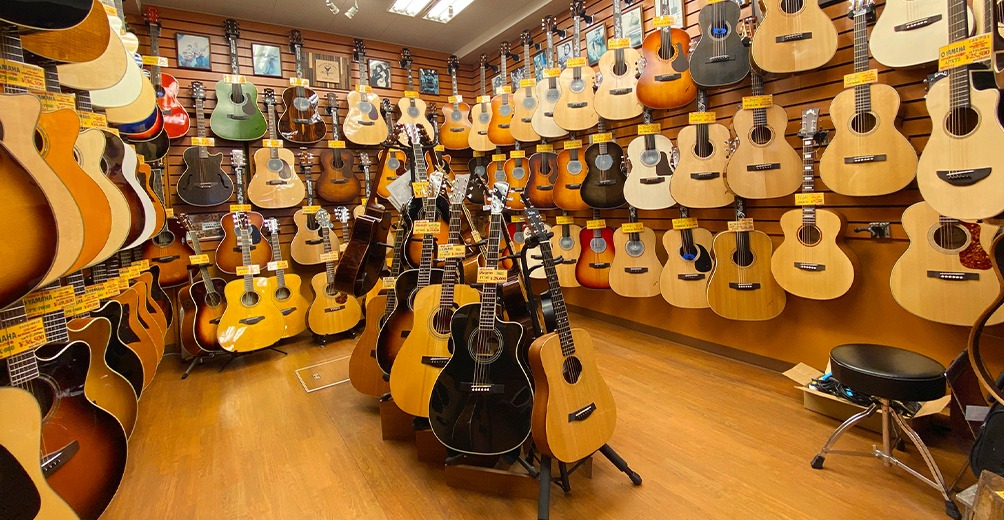
- JDirectItems Auction (Yahoo Auction): This auction site features dynamic bidding on unique guitars made in Japan, including custom builds and artist signatures. It's ideal for snagging deals on high-end pieces.
- Rakuma: Similar to Mercari, Rakuma focuses on user-to-user sales, often yielding affordable entry-level Japanese guitar brands with quick shipping options within Japan.
- Surugaya: Known for media and hobbies, Surugaya carries a selection of used instruments, including acoustics and electrics from established Japanese guitar brands.
When shopping, verify seller ratings and check for authenticity certificates, especially for higher-value items. International access might require proxy services to handle language and shipping barriers.
Factors to Consider When Choosing a Japanese Guitar
Selecting the right guitar involves balancing technical specs with personal feel. Here's a structured approach:
- Determine Your Type and Style:
- Acoustic: Look for solid tops for better vibration; laminated sides can keep costs down.
- Electric: Consider pickup configurations—single-coils for bright cleans, humbuckers for warm overdrive.
- Bass: Focus on scale length and string spacing for comfort.
- Budget and Build Quality:
- Entry-level (under $500): Basic models from Yamaha or Aria offer decent playability.
- Mid-range ($500–$1,500): Premium features like locking tuners in Ibanez or ESP lines.
- High-end (over $1,500): Custom options with exotic materials.
- Playability and Ergonomics:
- Neck profile: Slim for speed, thicker for sustain.
- Fretwork: Ensure smooth edges and even height to avoid buzzing.
- Weight: Lighter bodies reduce fatigue during extended play.
- Sound and Versatility:
- Test tones via online demos; Japanese guitars often excel in clean, articulate sounds.
- Accessories: Factor in cases, straps, or amps if bundled.
- Maintenance and Warranty:
- Check for global support; many Japanese guitar brands offer international warranties.
- Consider resale value—well-maintained Japan guitars hold worth over time.
Visiting a local store to try similar models can inform you of your online choice, ensuring the guitar matches your hands and ears.
Mid-Range Recommendations for Different Playing Styles
To maintain neutrality, these suggestions highlight balanced options from various Japanese guitar brands, based on common user feedback and specs. Prices are approximate and can vary.
- For Rock and Blues: Yamaha Revstar RS502 ($600–$800). Solid mahogany body with P-90 pickups for versatile crunch; comfortable for rhythm and leads without favoring extremes.
- For Metal and Shred: Ibanez RG Premium ($1,000–$1,300). Features a fast maple neck and Fishman Fluence pickups; guitars made in Japan with reliable hardware for precise techniques.
- For Acoustic Folk: Takamine GD30CE ($500–$700). Dreadnought shape with electronics; offers natural projection suitable for strumming or picking, appealing to singer-songwriters.
- For Jazz and Hollow-Body: ESP LTD Xtone ($800–$1,000). Semi-hollow design with Bigsby vibrato; provides warm tones without overwhelming feedback issues.
- For Bass Players: Fujigen J-Standard ($700–$900). Active electronics and ash body; balanced for slap or fingerstyle, with good intonation across frets.
These are starting points—always cross-reference with reviews from sources like Andertons or Sweetwater for real-world insights.
How to Shop via Rakufun?
Rakufun is designed to demystify the process. Here is how our Japanese proxy shopping service functions as your conduit to the Japanese market:
- Discover & Search: Use the search bar on the Rakufun website or app. You can search by keyword to broswer the products on our partner sites like Mercari, Rakuten, JDirectItems Auction (Yahoo! Auctions), Rakuma, or Surugaya.
- Purchase with Ease: Add your desired Japan guitar to your cart. Submit your order, and Rakufun's team will handle the entire purchase process with the Japanese seller, including communication and secure local payment.
- Secure Warehouse Storage: The seller ships your guitar to Rakufun's warehouse in Japan. We notify you upon arrival.
- Consolidate & Ship: Our packing experts can consolidate multiple purchases and prepare your instrument for its international journey. You then choose from our curated list of reliable international shipping lines, declare value for insurance, and use the Rakufun Shipping Calculator to see precise options and costs before committing.
- Direct Delivery to You: We ship your guitar made in Japan directly to your address, with full tracking provided.
Rakufun provides access, translation, and logistics. Rakufun does not curate or hold inventory; instead, we give you the keys to the entire market. We manage the complex aspects of international purchase—language, payment, consolidation, and customs documentation—offering a transparent and secure channel to shop Japan's guitar markets as if you were local.
Conclusion
Diving into the realm of guitars made in Japan reveals a market rich in quality and variety, from innovative Japanese guitar brands to accessible online stores. By weighing factors like build, sound, and budget, and considering neutral picks across styles, you can find an instrument that truly resonates. For seamless international access, Rakufun Japan proxy shopping service provides the tools and partnerships needed to bring these guitars home efficiently. Ultimately, the best choice is one that inspires your creativity—explore, compare, and enjoy the process.