


'%20clip-path='url(%23master_svg0_435_106539/302_155699)'%3e%3cg%20transform='matrix(0,1,1,0,-10,10)'%3e%3cpath%20d='M4.64651757818006,15.35348295818006Q4.57620548818006,15.283170878180059,4.538152908180059,15.19130372818006Q4.500100258180059,15.09943655918006,4.500100258180059,15.00000026818006Q4.500100288180059,14.950764414180059,4.50970571818006,14.90247461918006Q4.519311158180059,14.854184818180059,4.538152908180059,14.80869683818006Q4.556994648180059,14.76320883818006,4.5843486181800595,14.72227072818006Q4.6117025881800595,14.68133261818006,4.646517608180059,14.64651760818006Q4.681332618180059,14.611702588180059,4.722270728180059,14.58434864818006Q4.763208838180059,14.55699467818006,4.80869683818006,14.53815292818006Q4.85418481818006,14.51931115818006,4.90247461918006,14.50970571818006Q4.9507644141800595,14.50010028818006,5.0000002681800595,14.50010025818006Q5.0994365591800594,14.50010025818006,5.19130372818006,14.53815290818006Q5.2831708781800595,14.57620548818006,5.353482958180059,14.64651757818006L5.35355364818006,14.64644688818006L8.00000026818006,17.29289366818006L10.64644696818006,14.64644688818006L10.646517568180059,14.64651757818006Q10.71682956818006,14.57620548818006,10.808696968180058,14.53815290818006Q10.90056446818006,14.50010025818006,11.00000026818006,14.50010025818006Q11.049235568180059,14.50010028818006,11.09752536818006,14.50970571818006Q11.14581516818006,14.51931115818006,11.19130356818006,14.53815290818006Q11.236791368180059,14.55699464818006,11.277729768180059,14.58434861818006Q11.318667668180058,14.611702588180059,11.35348296818006,14.64651760818006Q11.388298268180058,14.68133261818006,11.415652068180059,14.72227072818006Q11.443005868180059,14.76320883818006,11.461847568180058,14.80869683818006Q11.48068926818006,14.854184818180059,11.49029476818006,14.90247461918006Q11.499900168180059,14.950764414180059,11.499900168180059,15.00000026818006Q11.49989966818006,15.09943664118006,11.461846668180058,15.191303868180059Q11.42379406818006,15.28317108818006,11.35348246818006,15.35348319818006L11.353553068180059,15.353553648180059L8.35355356818006,18.35355356818006Q8.283227468180058,18.42387966818006,8.191341868180059,18.46193986818006Q8.099456068180059,18.50000006818006,8.000000068180059,18.50000006818006Q7.9005439681800596,18.50000006818006,7.80865836818006,18.46193986818006Q7.71677286818006,18.42387966818006,7.64644696818006,18.35355356818006L4.646446888180059,15.353553648180059L4.64651757818006,15.35348295818006Z'%20fill-rule='evenodd'%20fill='%23A0A2A2'%20fill-opacity='1'%20style='mix-blend-mode:passthrough'/%3e%3c/g%3e%3c/g%3e%3c/svg%3e)
'%3e%3cg%20transform='matrix(0,-1,1,0,-4,14)'%3e%3cpath%20d='M4.57582074,9.42417926Q4.49144626,9.33980477,4.44578308,9.22956416Q4.40011996,9.11932355,4.40011996,9Q4.40012002,8.940916978,4.41164654,8.88296923Q4.42317307,8.82502148,4.4457832,8.77043588Q4.46839327,8.71585029,4.50121802,8.66672456Q4.53404278,8.61759883,4.5758208,8.5758208Q4.61759883,8.53404278,4.6667245600000005,8.50121802Q4.71585029,8.46839321,4.77043588,8.44578314Q4.82502148,8.42317307,4.88296923,8.41164649Q4.940916978,8.40012002,5,8.40011996Q5.11932355,8.40011996,5.22956416,8.44578314Q5.33980477,8.49144626,5.42417926,8.57582074L5.4242640699999995,8.57573593L8,11.1514719L10.575736,8.57573593L10.5758209,8.57582062Q10.6601949,8.4914462,10.770435299999999,8.44578314Q10.880676300000001,8.40012002,11,8.40011996Q11.059083000000001,8.40012002,11.117030100000001,8.41164654Q11.1749778,8.42317307,11.229563200000001,8.4457832Q11.2841492,8.46839327,11.3332748,8.50121802Q11.3824005,8.53404278,11.4241791,8.5758208Q11.4659567,8.61759883,11.4987817,8.66672456Q11.531606700000001,8.71585029,11.5542164,8.77043588Q11.5768266,8.82502148,11.5883532,8.88296923Q11.599880200000001,8.940916978,11.599880200000001,9Q11.599880200000001,9.1193236,11.5542164,9.22956422Q11.5085535,9.33980486,11.4241791,9.42417938L11.424264,9.42426407L8.424264,12.424264Q8.3398728,12.508655300000001,8.229610000000001,12.5543277Q8.1193473,12.5999999,7.999999799999999,12.5999999Q7.8806524,12.5999999,7.7703898,12.5543275Q7.6601272,12.5086551,7.5757358,12.424264L4.5757359300000005,9.42426407L4.57582074,9.42417926Z'%20fill-rule='evenodd'%20fill='%23000000'%20fill-opacity='1'/%3e%3c/g%3e%3c/g%3e%3c/svg%3e)
There's something almost magical about putting on a really good pair of headphones. The world doesn't just go quiet—it transforms. The footsteps in a recording studio become tangible. The breath of a singer becomes intimate. For decades, Japan has been at the heart of this magic, crafting Japanese audio equipment that doesn't just reproduce sound but sculpts it with precision and soul. If you've been relying on whatever came in the box with your phone, dear reader, you are in for a revelation.
As a Japanese proxy shopping service, Rakufun isn't just a tool; it's your personal concierge in Japan. Whether you are hunting for the warmth of vintage Audio-Technica or the electrostatic clarity of modern STAX, Rakufun opens the door. Let's take a journey through the soundscapes of Japan.
The Philosophy of Japanese Sound
Before we dive into the shopping list, it's worth understanding why Japan does audio differently. In the West, audio sometimes follows a philosophy of "coloring" the sound—making it warmer, or boosting the bass to make it "fun." Japanese engineering, particularly in the high-fidelity realm, often pursues a different muse: neutrality and precision. The goal is to reveal the music exactly as the artist and engineer intended, without adding or subtracting anything.
This pursuit of "truth" in sound has led to decades of innovation. From the development of the first electrostatic headphones to the perfection of ultra-lightweight diaphragms, Japanese brands don't just follow trends; they set the benchmarks. When you buy Japanese audio equipment via Rakufun, you aren't just buying a gadget; you are importing a piece of this meticulous philosophy into your daily life.
There is also a cultural aspect to consider. In Japan's compact living spaces, where playing loud music through speakers might disturb neighbors, headphones became not just an accessory but a necessity for enjoying music fully. This cultural push for personal, high-quality listening experiences accelerated innovation. Japanese engineers became obsessed with creating headphones that could deliver the full emotional impact of a live performance without ever leaving your small apartment. That obsession is baked into every driver, every housing material, and every solder joint.
Picked Headphone Masterpieces from Japan
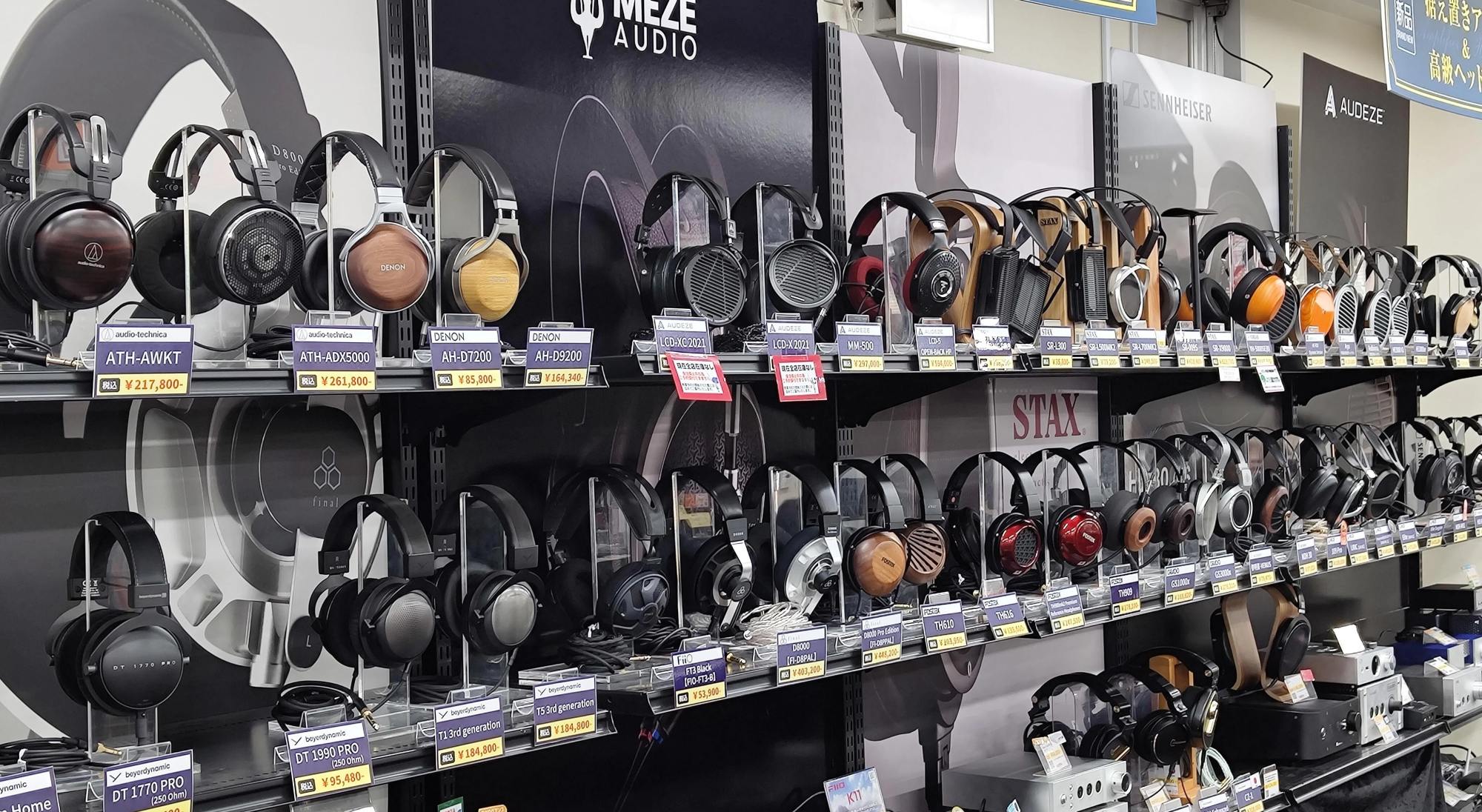
Japan's audio brands have earned their reputation through decades of craftsmanship, innovation, and an unwavering commitment to sound quality. From studio standards that have shaped countless recordings to luxury flagships that push the boundaries of what headphones can do, the range of Japanese audio equipment available today is truly remarkable. We've curated a selection of some of the most exceptional headphones coming out of Japan—models that deserve a place in any serious collection.
1. Audio-Technica ATH-M50x

You can't talk about Japanese audio equipment without mentioning the ATH-M50x. It is arguably the most famous pair of studio monitors in the world. Lauded by engineers from Tokyo to Nashville, these headphones offer a balanced, accurate sound with a surprising punch of bass that doesn't muddy the mids. If you are a podcaster, a musician, or just someone who wants to hear what the mixer heard, this is your starting point. In Japan, you can often find limited "Motor Sport" color editions that you won't see anywhere else. The detachable cable system and collapsible design make them a travel favorite too.
2. Sony WH-1000XM5
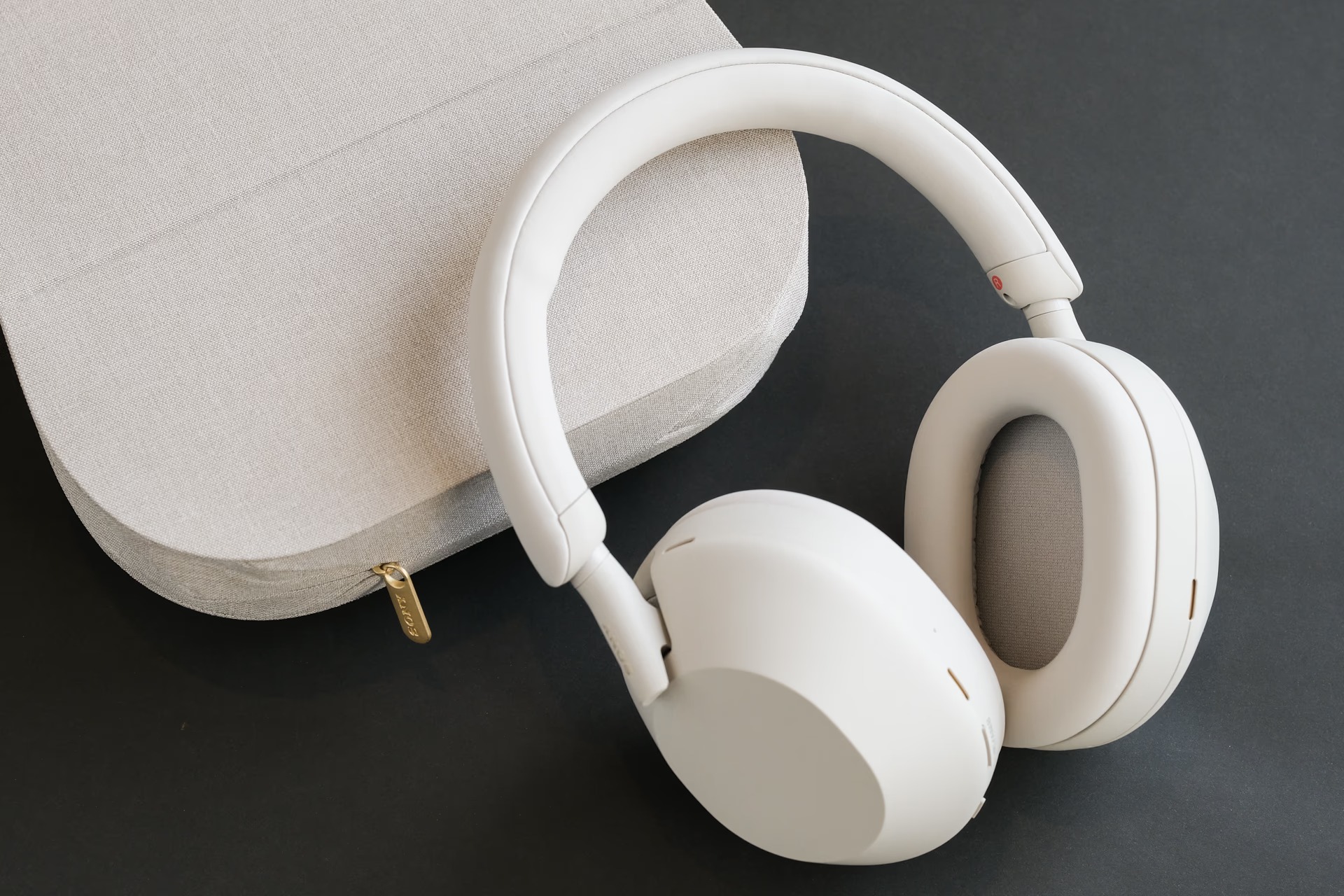
Sony's 1000X series has dethroned every competitor in the noise-canceling arena for years. The WH-1000XM5 takes the crown with its sleek, minimalist design and eight microphones for unprecedented noise cancellation. But beyond the silence, the sound signature is lush and detailed. Using Rakufun, you can pre-order these from Japanese electronics retailers the moment they drop, ensuring you're ahead of the curve. The "Ambient Sound" mode is so good you can hold conversations without removing them—perfect for navigating Tokyo's bustling streets while still hearing your music.
3. STAX SR-L700
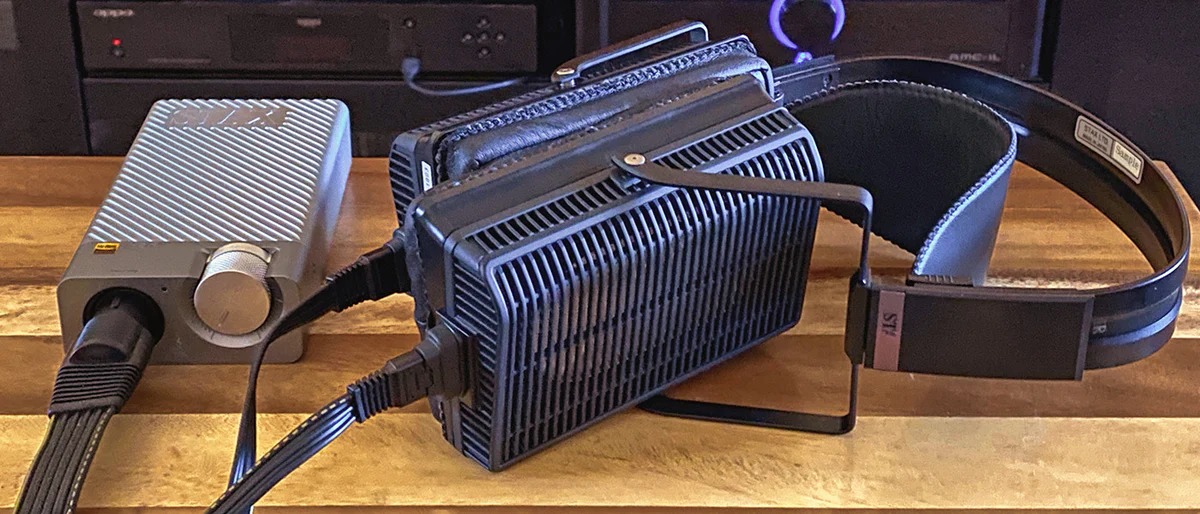
For the true connoisseur, STAX is a name whispered with reverence. Based in Tokyo, STAX specializes in "earspeakers"—electrostatic headphones that require a special energizer to function. The SR-L700 offers a level of transient speed and clarity that dynamic drivers simply cannot match. Listening to acoustic jazz on these is a transcendent experience. Fun fact: STAX has been perfecting this technology since 1938, making them one of the oldest audio specialists still operating today.
4. Final Audio D8000 Pro Edition
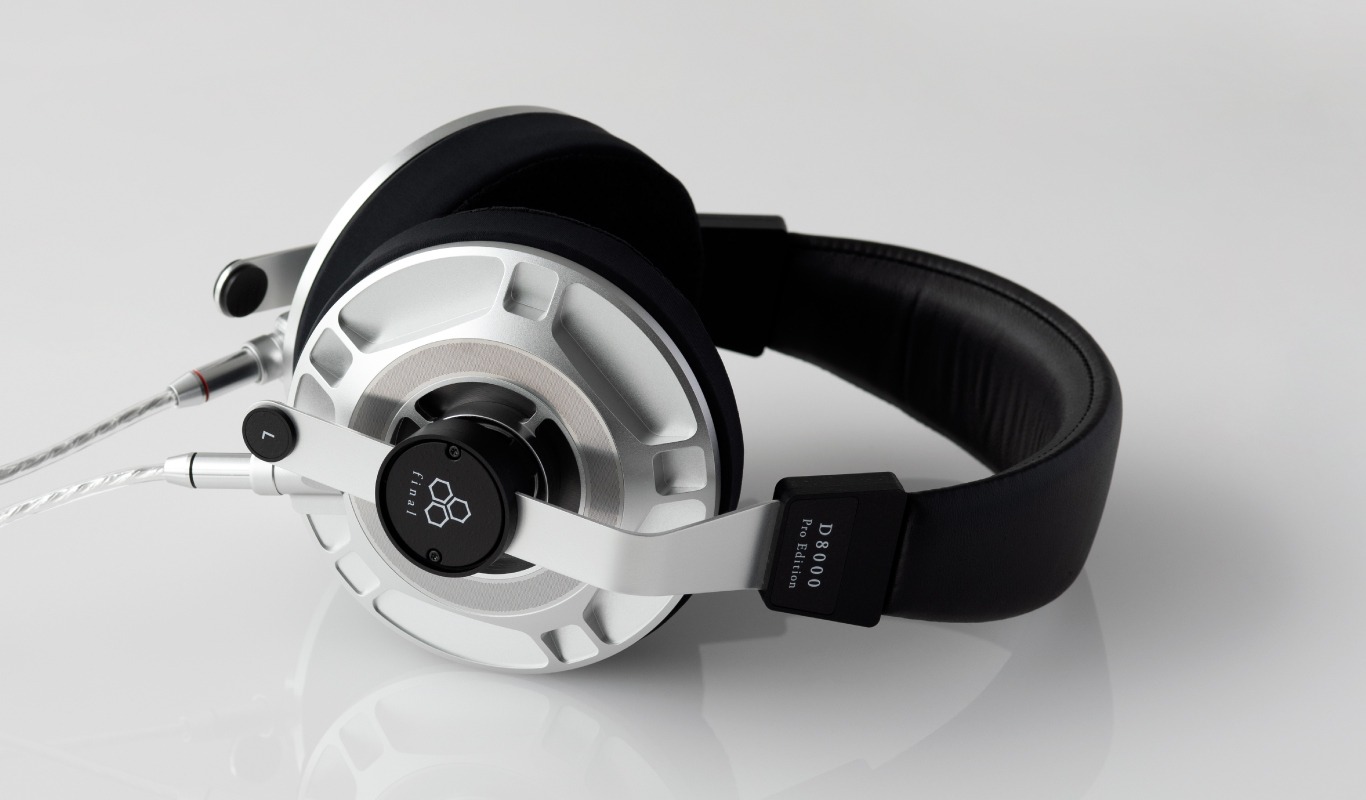
Final Audio, based in Kanagawa, is known for doing things differently. The D8000 is their flagship planar magnetic headphone, but the "Pro Edition" is a masterpiece of engineering. It uses a unique "AFDS" (Air Film Damping System) to control the membrane, resulting in a bass response that is both thunderous and incredibly tight. It's a headphone built for critical listening by those who refuse to compromise. The build quality is impeccable, with stainless steel and aluminum parts that feel like they'll outlast you.
5. JVC HA-FW10000
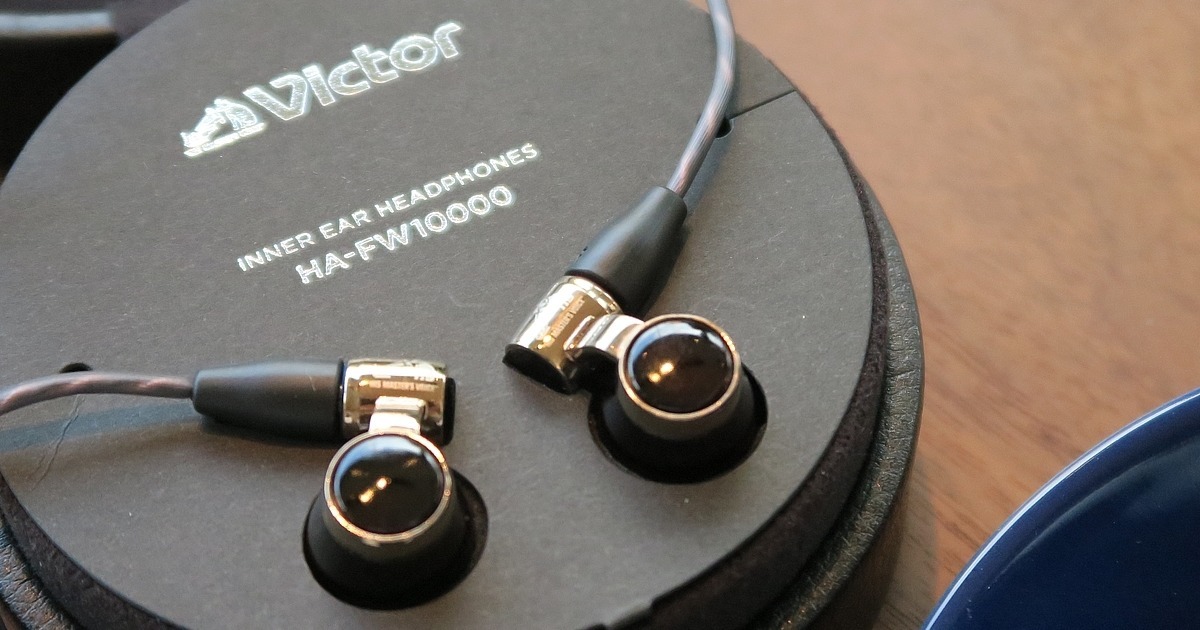
JVC (or Victor in Japan) has a legendary history with wood. The HA-FW10000 is a limited-edition headphone that uses a birchwood housing to create a natural, resonant chamber for the sound. It feels alive in your hands. The soundstage is incredibly wide, making it feel like you are listening to speakers in a room rather than headphones. These are rare and highly sought after—exactly the kind of find that makes proxy shopping worthwhile. Each pair is individually inspected and numbered, adding a collectible aspect to their sonic beauty.
6. Denon AH-D9200
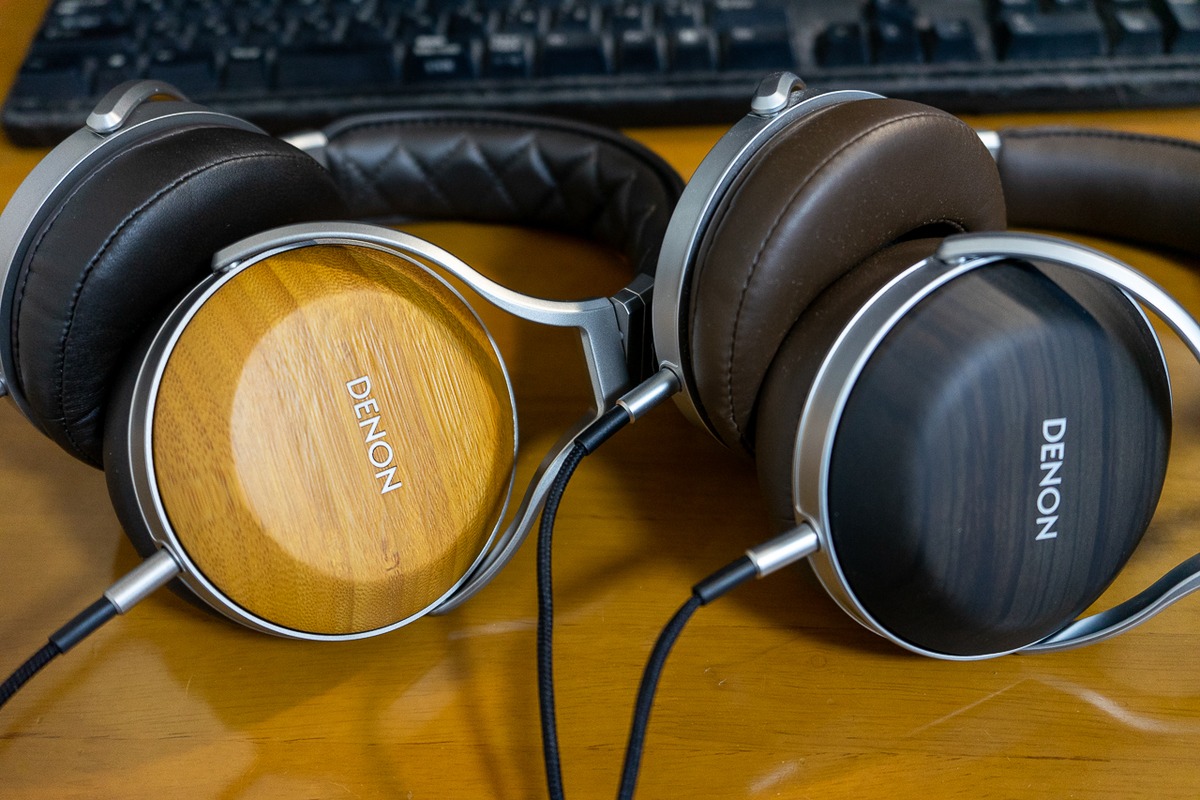
Denon's flagship closed-back headphones are a marvel. The AH-D9200 uses real mahogany cups and lambskin leather to create a luxurious feel that matches its sound. They're known for delivering high-resolution audio with a smooth, non-fatiguing character. Perfect for long listening sessions. Denon's history stretches back to 1910, making them one of the oldest audio companies in the world, and the D9200 carries that century of expertise in every note.
7. Yamaha YH-5000SE
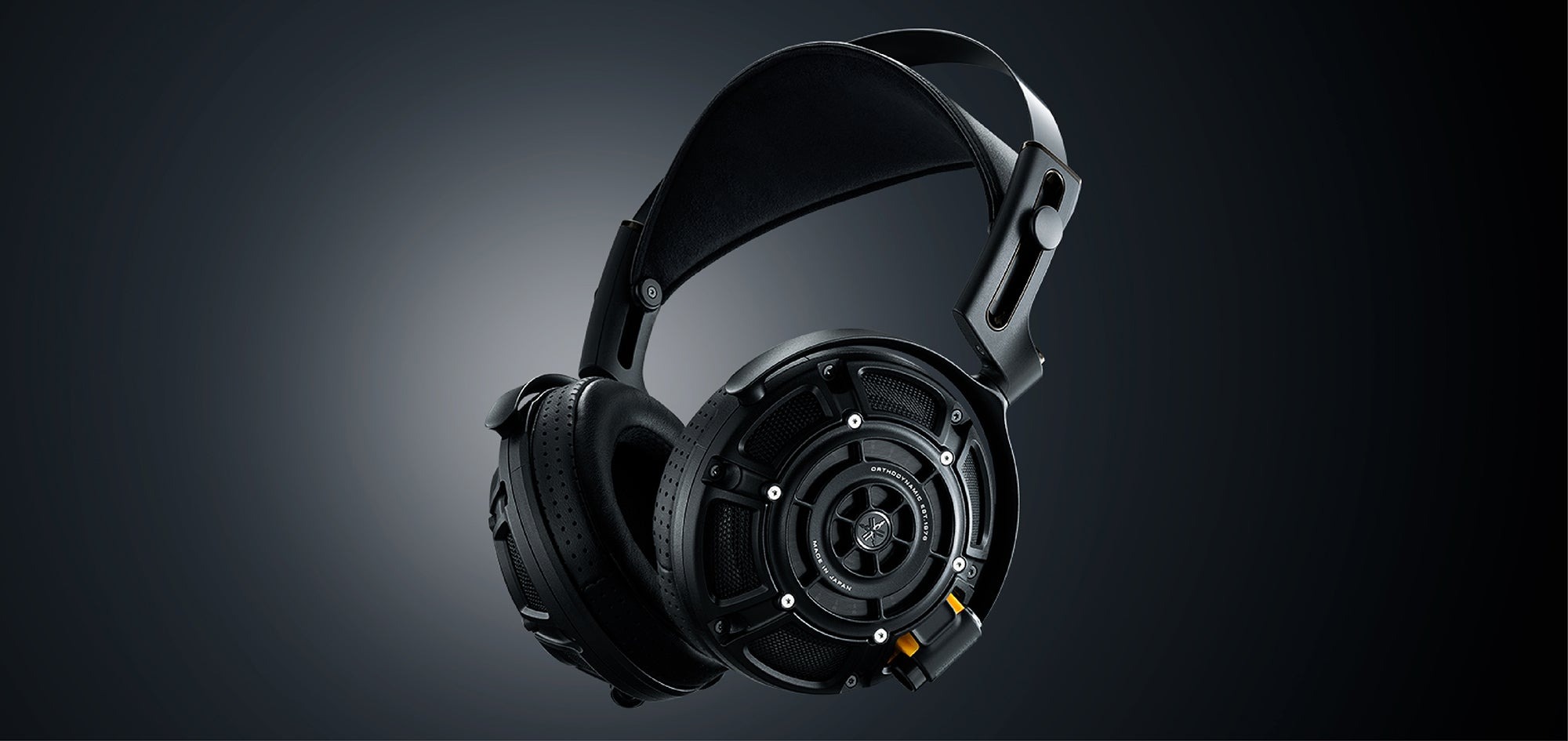
Yamaha shocked the audio world by resurrecting their legendary YH series from the 1970s. The YH-5000SE is an orthodynamic (planar magnetic) headphone that weighs almost nothing. It is incredibly comfortable and offers a sound signature that is fast, clean, and distinctly Yamaha. It pays homage to their legacy while pushing into the future. The magnesium alloy housing and suede-like synthetic leather pads show Yamaha's attention to every tactile detail.
8. Fostex TH-909
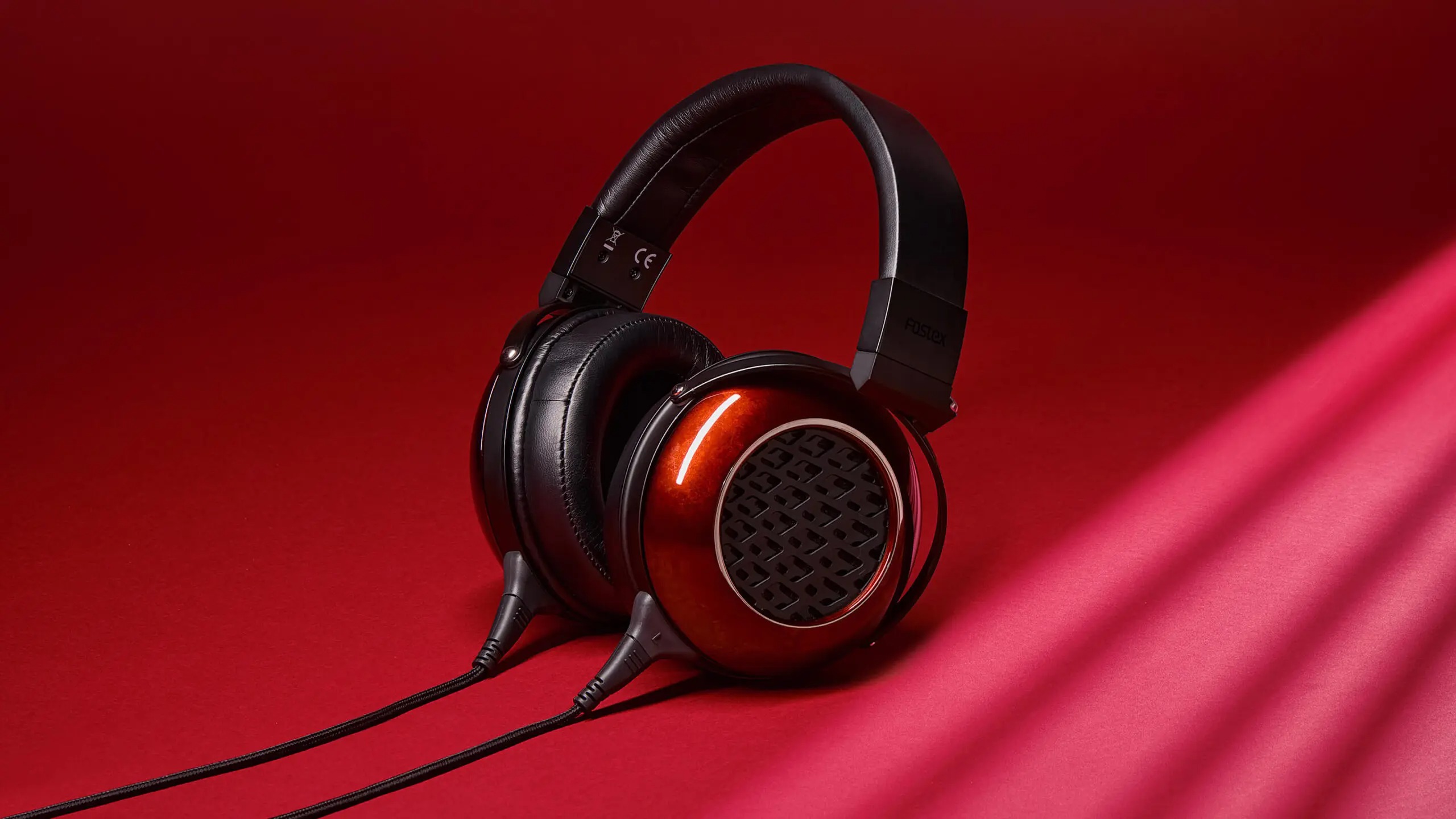
Fostex is famous for their drivers, often used in high-end DIY audio. The TH-909 is their semi-open back flagship, featuring beautiful birch chambers and a detachable magnetic core driver. It offers incredible dynamics and a bass response that hits hard without bleeding into the mids, thanks to the patented "Regular Phase" technology. The semi-open design gives you the airiness of open-backs with the bass impact of closed-backs—a rare combination.
9. Sony IER-Z1R
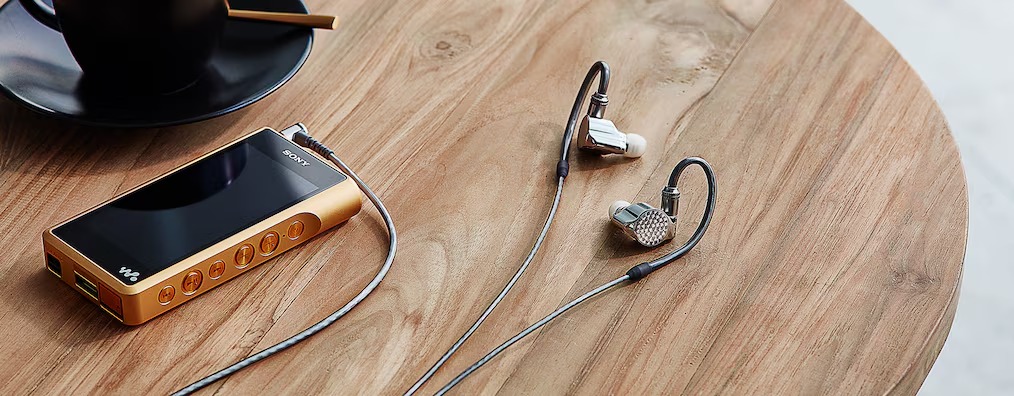
Not all great Japanese audio equipment sits on your head. The IER-Z1R is Sony's flagship in-ear monitor. It features a massive 12mm dynamic driver combined with a magnesium dome and dual balanced armature drivers. It's a three-way crossover system crammed into your ear. The soundstage is holographic, and the detail retrieval is insane. It's an investment, but for commuters who want concert-hall sound, it's the endgame. The zirconium housing is not just for looks—it reduces resonance and distortion.
10. Audio-Technica ATH-ADX5000 (The Open-Air Flagship)
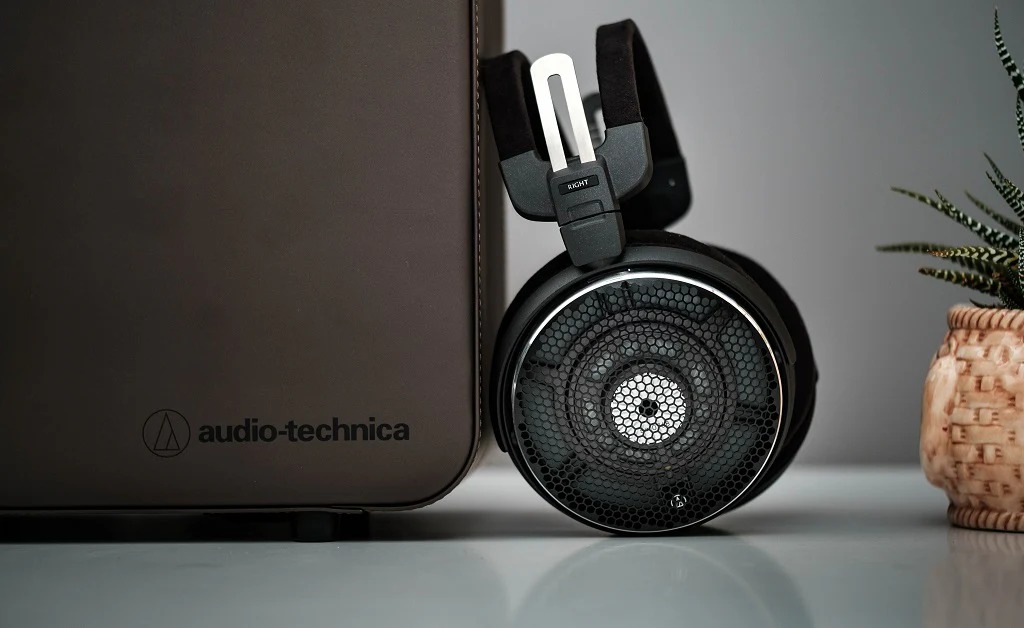
While the M50x is the workhorse, the ATH-ADX5000 is the racehorse. This is Audio-Technica's open-back flagship, featuring a "Core Mount" driver system that eliminates the frame around the driver, reducing unwanted vibrations. The result is a phenomenally clear sound with exceptional imaging. It's a headphone that lets you pick out every instrument in a complex orchestral piece with ease. The honeycomb perforated housing is both striking and functional.
Pro-Tips for Maximizing Your Japanese Audio Haul on Rakufun
Now that your wishlist is growing, let's talk about strategy. Buying Japanese audio equipment through a proxy service is an art, and mastering it can save you money, frustration, and time. Here are some insider tips that seasoned Rakufun users swear by.
Tip 1: Understand the Voltage Situation
Japan uses 100V electrical systems, while the US uses 120V and many other countries use 220-240V. For passive headphones, voltage doesn't matter at all—they just need a signal. But for active noise-canceling headphones, amplifiers, or any gear that plugs into the wall, you need to pay attention. Many Japanese electronics are designed for 100V only. Plugging a 100V amp into a 220V socket without a step-down transformer is a quick way to release magic smoke. Check the product specifications carefully, and if it's not multi-voltage, factor a good transformer into your budget.
Tip 2: Watch for "Japanese Only" Firmware
Some modern digital audio equipment, particularly network players or Bluetooth devices with companion apps, may have firmware or apps that are only available in Japanese. While the device itself will work fine, setting it up or updating it might require navigating Japanese text. This isn't a dealbreaker for most, but it's good to know in advance. Look for global versions or check forums to see if English firmware can be flashed later.
Tip 3: Search Using Japanese Model Numbers
This is a game-changer. When searching on Rakufun, don't just type "Sony headphones." Use the exact Japanese model number. For example, search for "MDR-CD900ST" instead of "Sony studio headphones." Sellers list items by their official model numbers, and using the Japanese characters (ソニー MDR-CD900ST) can sometimes yield even more results. If you're unsure of the exact Japanese characters, just the alphanumeric model number usually works perfectly across Rakufun's partnered sites.
Tip 4: Check Release Dates and "Re-issues"
Japan loves limited editions and anniversary re-releases. A headphone model that went out of production five years ago might suddenly reappear in a "2018 Version" or "40th Anniversary Edition" that's only sold in Japan for six months. Setting up alerts for your favorite brands on Rakufun can notify you when these elusive models pop up. The second-hand market in Japan is incredibly active, so even limited runs often appear later on Mercari or Rakuma as owners upgrade.
Tip 5: Patience Pays with Second-Hand Sites
Rakuma and Mercari are fantastic, but they are flea markets. Prices fluctuate wildly. A pair of Fostex TH-900 might be listed for 80,000 yen one week and 65,000 yen the next. If you're not in a hurry, spend a few weeks looking at prices. Learn to spot "junk" listings—these are items sold as-is, often for parts, and can be a goldmine if you're handy with repairs. Sometimes "junk" just means "missing the original box" in Japan, where grading standards are incredibly strict.
Tip 6: Understand Japanese Condition Grading
Japanese second-hand sellers use a specific grading system that is much more stringent than in most countries:
- S (New): Unopened, mint condition.
- A (Excellent): Like new, used very lightly, all accessories included.
- B (Good): Normal wear, maybe some minor scratches, box might be damaged.
- C (Average): Noticeable wear, scratches, maybe missing non-essential parts.
- D (Junk): For parts or repair.
An item graded "B" in Japan would often be considered "Excellent" in other countries. Don't be afraid of B-grade items if you're looking for a bargain. Just read the description carefully.
Tip 8: Combine Audio Gear with Other Japanese Goods
Since you're already paying for international shipping, make the most of it! The 90-day free storage at the Rakufun warehouse is your friend. Buy those headphones now, then over the next few weeks, add some Japanese snacks, a cool anime figure, or a traditional craft item. Consolidate everything into one shipment. It makes the shipping cost-per-item plummet and turns your audio upgrade into a full Japanese cultural experience package.
Why Rakufun is Your Gateway to Japanese Audio
How to get these? You might be tempted to try and navigate a Japanese site yourself, but that path is riddled with hurdles: captchas in Japanese, addresses that don't accept international formats, and sellers who flat-out refuse to ship abroad.
Rakufun exists to eliminate those headaches. It's a comprehensive platform designed to make importing from Japan as easy as ordering from your local Amazon. With both web and app interfaces, you can manage your haul from anywhere.
Here is how you can use Rakufun to secure your audio treasure:
- Step 1: Search and Discover Your journey begins on the Rakufun website or the mobile app. You have two main paths here. You can browse directly through the integrated storefronts—Rakufun is officially partnered with a massive list of Japanese retailers and marketplaces including Amazon Japan, Rakuten, JDirectItems Auction, and even second-hand giants like Mercari and Rakuma. Simply type the name of the headphones you want into the Rakufun search bar. The platform will show you results from across these partnered networks, all translated into your language.
- Step 2: Know about Link2Buy Found a pair of limited-edition headphones on a smaller, specialized Japanese audio store that isn't listed on Rakufun? No problem. Copy the product URL from that Japanese website. Paste it into the Link2Buy page on Rakufun. Rakufun's team will review the link, confirm the price and availability, and purchase it for you. This effectively gives you access to every corner of the Japanese internet. Whether it's a tiny shop in Akihabara or a regional store in Osaka, if they have a website, you can buy from them.
- Step 3: Add to Cart and Checkout Once you've found your gear, add it to your Rakufun cart. When you check out, you pay for the item cost plus any domestic shipping fees required to send it to the Rakufun warehouse. Rakufun supports a wide variety of payment methods, including credit cards, PayPal, and various regional e-wallets, making it easy for global users. The checkout process is clear and transparent—no hidden fees, no surprises.
- Step 4: The Warehouse Now, here is where the strategy comes in. The seller ships your precious headphones to Rakufun's secure warehouse in Japan. If you are a smart shopper, you probably didn't just buy one thing. Maybe you bought the headphones from one store, a replacement cable from another, and a DAC from a third. Rakufun will hold all these items for you for up to 90 days for free. You can log into your account and see photos of your items, verifying their condition before anything else happens. This quality check is invaluable—if something arrived damaged, you'll know before you pay to ship it internationally.
- Step 5: Consolidate and Ship This is the "pro move." Instead of paying expensive international shipping on three separate small packages, you can request a "Consolidation." Rakufun will take all your purchases out of their individual boxes (or keep them protected, based on your instructions), combine them into one single, smartly packed box, and repackage them to be as light and small as possible. This dramatically reduces your shipping costs. You can also opt for "protective packaging" for fragile audio gear—always a good idea for delicate headphones.
- Step 6: Choose Your Line and Relax Finally, you select your shipping method. Whether you want the speed of DHL or EMS, Rakufun offers reliable, trackable options. Once you pay the international shipping fee, your Japanese audio equipment is on its way to your doorstep. You can track it every step of the way through the Rakufun. Some users even opt for insurance on high-value items—it's a small price for peace of mind when shipping thousands of dollars worth of gear.
The Second-Hand Goldmine
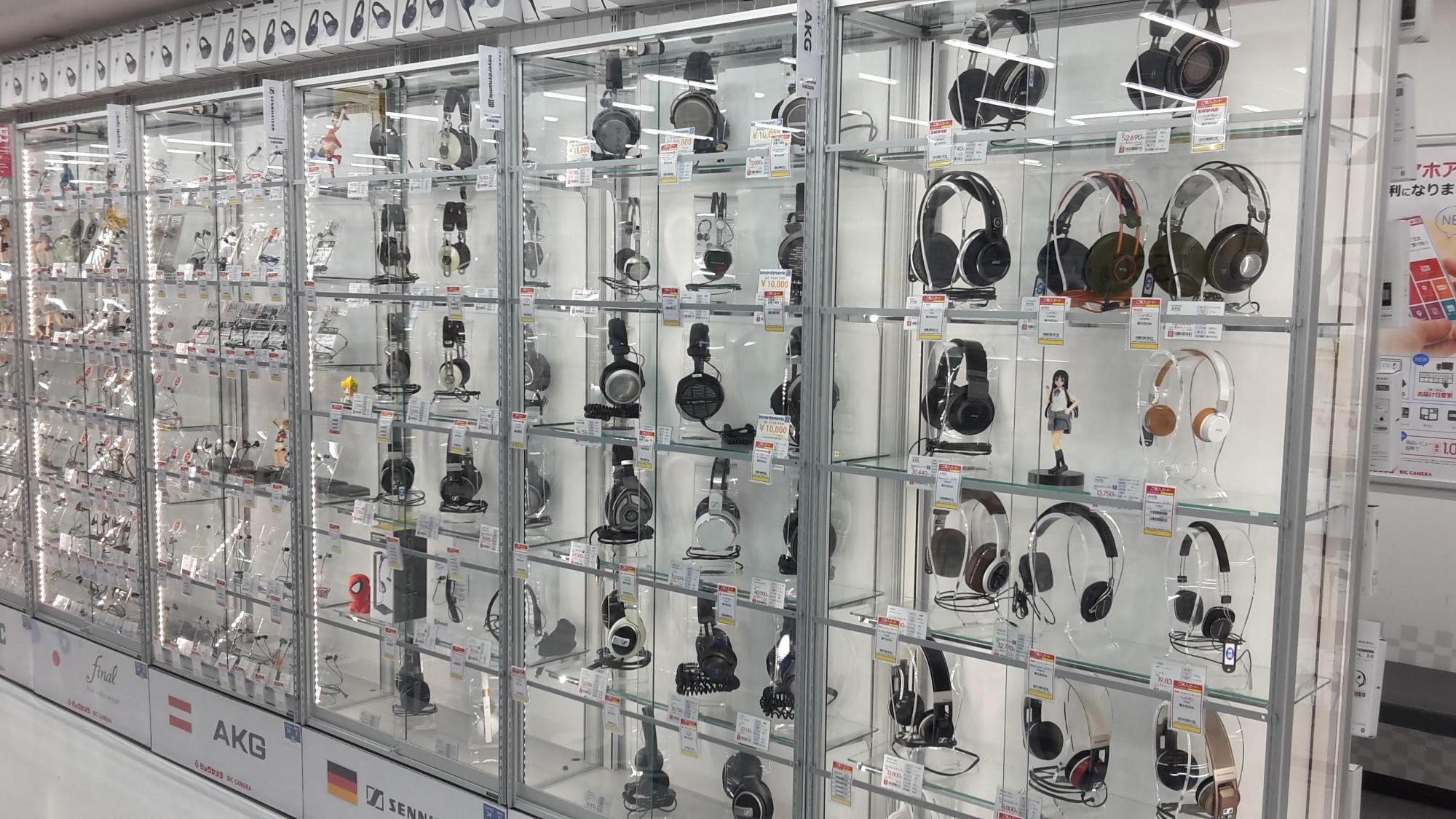
Don't overlook the second-hand marketplaces integrated into Rakufun, like Rakuma and Mercari. Japan has a culture of taking immaculate care of their electronics. It is common to find high-end audio gear that is years old but looks like it just came out of the box. This is partly due to limited living space—people rotate their collections frequently—and partly due to a cultural respect for objects.
Vintage audio is a huge deal right now, and Japan is a treasure trove. You can find classic Sony Walkmans, vintage Denon receivers, or old Stax electrostatic systems that still work perfectly. Using Rakufun to navigate these flea markets means you can score a piece of audio history without needing to read complex Japanese auction listings or navigate the unique etiquette of Japanese second-hand sales.
One particularly fun niche is "vintage boom boxes" and 80s personal stereos. Japan produced some of the most wildly designed, feature-packed portable audio devices during the bubble economy years. These are becoming collectible worldwide, and the Japanese second-hand market is still relatively affordable compared to Western vintage audio markets.
Conclusion: Your Sonic Journey Starts Now
Japanese audio equipment represents a high-water mark of industrial design and acoustic engineering. It is built with a passion that goes beyond specs sheets and into the realm of art. Whether you are chasing the clinical precision of a studio monitor or the warm, enveloping sound of a wooden-cupped vintage set, the objects of your desire are waiting in Japan.
With Rakufun, the barriers of language, distance, and payment complexity simply melt away. It's more than a proxy service; it's a bridge connecting global music lovers to the unparalleled craftsmanship of Japan. So, download the app, start exploring the partnered stores, and get ready to hear your favorite albums like you've never heard them before. Your perfect listening experience is just a few clicks away.
Remember, every great audio journey starts with a single track. Let Rakufun help you hear it the way it was meant to be heard—through the finest engineering Japan has to offer. Happy listening, and even happier hunting.