


'%20clip-path='url(%23master_svg0_435_106539/302_155699)'%3e%3cg%20transform='matrix(0,1,1,0,-10,10)'%3e%3cpath%20d='M4.64651757818006,15.35348295818006Q4.57620548818006,15.283170878180059,4.538152908180059,15.19130372818006Q4.500100258180059,15.09943655918006,4.500100258180059,15.00000026818006Q4.500100288180059,14.950764414180059,4.50970571818006,14.90247461918006Q4.519311158180059,14.854184818180059,4.538152908180059,14.80869683818006Q4.556994648180059,14.76320883818006,4.5843486181800595,14.72227072818006Q4.6117025881800595,14.68133261818006,4.646517608180059,14.64651760818006Q4.681332618180059,14.611702588180059,4.722270728180059,14.58434864818006Q4.763208838180059,14.55699467818006,4.80869683818006,14.53815292818006Q4.85418481818006,14.51931115818006,4.90247461918006,14.50970571818006Q4.9507644141800595,14.50010028818006,5.0000002681800595,14.50010025818006Q5.0994365591800594,14.50010025818006,5.19130372818006,14.53815290818006Q5.2831708781800595,14.57620548818006,5.353482958180059,14.64651757818006L5.35355364818006,14.64644688818006L8.00000026818006,17.29289366818006L10.64644696818006,14.64644688818006L10.646517568180059,14.64651757818006Q10.71682956818006,14.57620548818006,10.808696968180058,14.53815290818006Q10.90056446818006,14.50010025818006,11.00000026818006,14.50010025818006Q11.049235568180059,14.50010028818006,11.09752536818006,14.50970571818006Q11.14581516818006,14.51931115818006,11.19130356818006,14.53815290818006Q11.236791368180059,14.55699464818006,11.277729768180059,14.58434861818006Q11.318667668180058,14.611702588180059,11.35348296818006,14.64651760818006Q11.388298268180058,14.68133261818006,11.415652068180059,14.72227072818006Q11.443005868180059,14.76320883818006,11.461847568180058,14.80869683818006Q11.48068926818006,14.854184818180059,11.49029476818006,14.90247461918006Q11.499900168180059,14.950764414180059,11.499900168180059,15.00000026818006Q11.49989966818006,15.09943664118006,11.461846668180058,15.191303868180059Q11.42379406818006,15.28317108818006,11.35348246818006,15.35348319818006L11.353553068180059,15.353553648180059L8.35355356818006,18.35355356818006Q8.283227468180058,18.42387966818006,8.191341868180059,18.46193986818006Q8.099456068180059,18.50000006818006,8.000000068180059,18.50000006818006Q7.9005439681800596,18.50000006818006,7.80865836818006,18.46193986818006Q7.71677286818006,18.42387966818006,7.64644696818006,18.35355356818006L4.646446888180059,15.353553648180059L4.64651757818006,15.35348295818006Z'%20fill-rule='evenodd'%20fill='%23A0A2A2'%20fill-opacity='1'%20style='mix-blend-mode:passthrough'/%3e%3c/g%3e%3c/g%3e%3c/svg%3e)
'%3e%3cg%20transform='matrix(0,-1,1,0,-4,14)'%3e%3cpath%20d='M4.57582074,9.42417926Q4.49144626,9.33980477,4.44578308,9.22956416Q4.40011996,9.11932355,4.40011996,9Q4.40012002,8.940916978,4.41164654,8.88296923Q4.42317307,8.82502148,4.4457832,8.77043588Q4.46839327,8.71585029,4.50121802,8.66672456Q4.53404278,8.61759883,4.5758208,8.5758208Q4.61759883,8.53404278,4.6667245600000005,8.50121802Q4.71585029,8.46839321,4.77043588,8.44578314Q4.82502148,8.42317307,4.88296923,8.41164649Q4.940916978,8.40012002,5,8.40011996Q5.11932355,8.40011996,5.22956416,8.44578314Q5.33980477,8.49144626,5.42417926,8.57582074L5.4242640699999995,8.57573593L8,11.1514719L10.575736,8.57573593L10.5758209,8.57582062Q10.6601949,8.4914462,10.770435299999999,8.44578314Q10.880676300000001,8.40012002,11,8.40011996Q11.059083000000001,8.40012002,11.117030100000001,8.41164654Q11.1749778,8.42317307,11.229563200000001,8.4457832Q11.2841492,8.46839327,11.3332748,8.50121802Q11.3824005,8.53404278,11.4241791,8.5758208Q11.4659567,8.61759883,11.4987817,8.66672456Q11.531606700000001,8.71585029,11.5542164,8.77043588Q11.5768266,8.82502148,11.5883532,8.88296923Q11.599880200000001,8.940916978,11.599880200000001,9Q11.599880200000001,9.1193236,11.5542164,9.22956422Q11.5085535,9.33980486,11.4241791,9.42417938L11.424264,9.42426407L8.424264,12.424264Q8.3398728,12.508655300000001,8.229610000000001,12.5543277Q8.1193473,12.5999999,7.999999799999999,12.5999999Q7.8806524,12.5999999,7.7703898,12.5543275Q7.6601272,12.5086551,7.5757358,12.424264L4.5757359300000005,9.42426407L4.57582074,9.42417926Z'%20fill-rule='evenodd'%20fill='%23000000'%20fill-opacity='1'/%3e%3c/g%3e%3c/g%3e%3c/svg%3e)
Japan has long been a paradise for photography enthusiasts, with its rich history in camera manufacturing and a thriving second-hand market. Whether you're a beginner looking for an affordable entry into film photography or a pro seeking vintage gems, buying used cameras in Japan can be an exciting adventure.
But it's not without its challenges—hidden defects, language barriers, and shipping logistics can turn a dream purchase into a headache. In this comprehensive guide, we'll walk you through everything you need to know to score a great deal on Japanese second-hand cameras. Let's dive in and help you capture that perfect shot without regrets.
Why Source for Used Cameras from Japan?
Japan isn't just the birthplace of iconic camera brands; it's a culture that reveres technology and maintenance. Used cameras here often come from owners who upgrade meticulously, leaving behind gear that's in surprisingly good condition. You could save 40-60% compared to new models, and gain access to rare finds like limited-edition lenses or discontinued bodies that add character to your shots.
The reputation for quality that defines Japanese manufacturing extends powerfully into its second-hand market. Items are typically maintained with exceptional care, cleaned thoroughly before sale, and described with a striking degree of honesty.
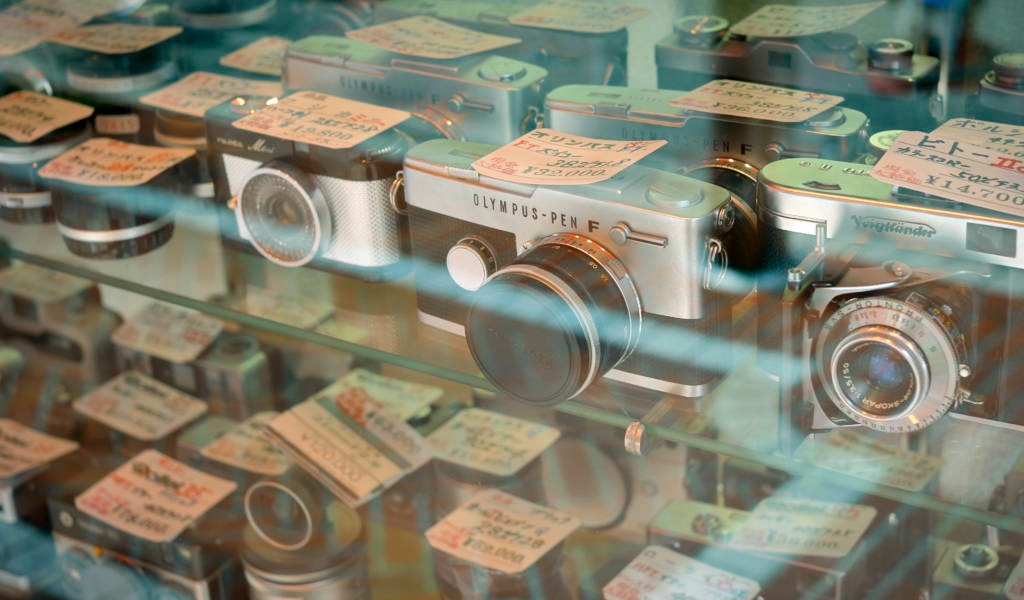
Sellers often note the tiniest blemish you might otherwise miss. Furthermore, the market is incredibly vast and diverse, offering a constant rotation of gear from popular modern mirrorless cameras to rare vintage collectibles. For international buyers, the favorable exchange rate has made these fantastic deals even more accessible, turning the hunt into a genuinely rewarding pursuit.
Key Japanese Platforms for Digital
To hunt effectively, you need to know where to look. Japan's e-commerce landscape is unique, with several major platforms dominating the scene.
Mercari is the giant of casual consumer-to-consumer sales. Think of it as a mobile-first flea market with an enormous, ever-changing inventory. It's often the best place to find deals on trendy film cameras or last-generation digital models.
JDirectItems Auctions(Yahoo! Auctions) Japan remains a massive hub, especially for auction-style sales. This is where you might find more specialized, rare, or collectible gear, from classic Nikon F series bodies to unique lenses.
Rakuten Ichiba and Rakuma represent another huge network. Rakuten is a sprawling e-commerce mall hosting both large retailers and small shops, while Rakuma is its dedicated consumer marketplace similar to Mercari.
Finally, there are specialist retailers like Kitamura Camera and Hard-Off. These established chains have significant online stores and offer professionally inspected used equipment, often with a short warranty, though sometimes at a slight premium for the added peace of mind.
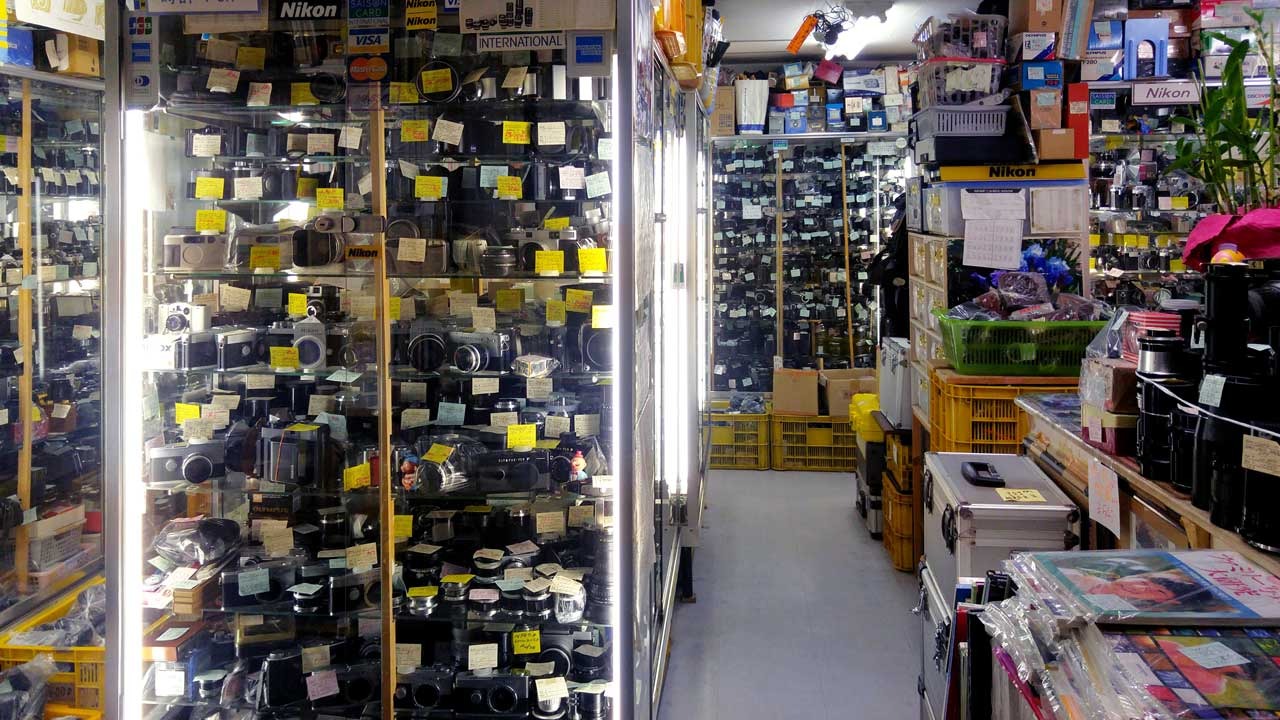
The Challenge for International Buyers: Most of these platforms do not ship overseas, require a local Japanese address and phone number for registration, and have interfaces almost entirely in Japanese. This is where a reliable proxy and forwarding service becomes not just useful, but essential.
Choosing the Right Camera for Your Needs
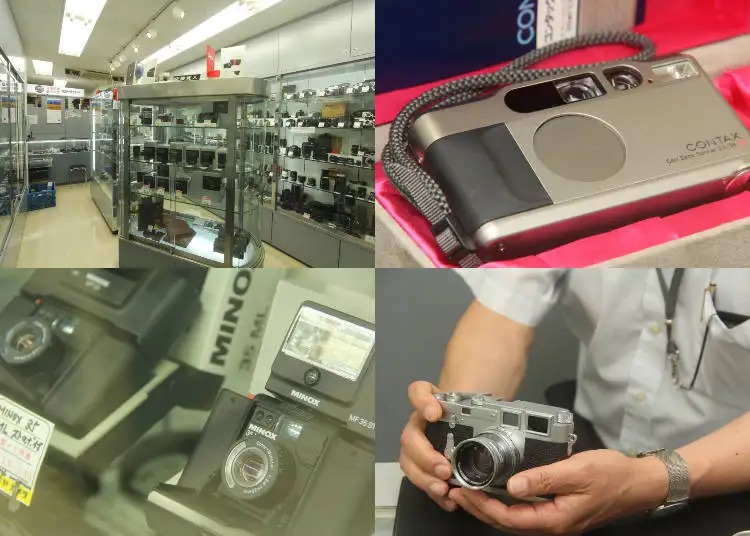
Japan's used camera scene is vibrant, blending physical stores in Akihabara or Nakano with online platforms. Brick-and-mortar shops offer the tactile experience of handling gear, but for international buyers, online is king. Sites like JDirectItems Auctions(Yahoo Auctions) Japan, Mercari, and specialized retailers such as Map Camera or Kitamura provide vast inventories. With so many options in Japan's used market, picking the perfect camera boils down to your photography style, experience level, and what you plan to shoot. Different types cater to various users, from casual snapshooters to dedicated artists. Here's a rundown of key categories, highlighting what makes them tick and who they're ideal for, to help you narrow down your search.
Compact Point-and-Shoot Cameras: Ideal for beginners or travelers seeking simplicity. Think Fujifilm Instax or Ricoh GR—lightweight, auto-focused, perfect for casual family snaps or on-the-go adventures.
Mirrorless Cameras: Great for enthusiasts wanting portability with power. Sony A6000 or Fujifilm X-E offer interchangeable lenses, quick autofocus, and low-light prowess, suiting street shooters or vloggers.
DSLRs: Best for pros handling sports or portraits. Canon 5D Mark II or Nikon D750 provide robust builds and long battery life, ideal for landscapes or weddings.
Film Cameras: For analog fans craving nostalgia. Olympus OM-1 or Pentax K1000 encourage creative, mindful shooting—suits students or purists on a budget.
Rangefinders: Niche picks for discreet pros. Leica M series or Contax G1 excels in street photography with quiet, precise operation.
No matter your pick, consider your workflow—do you edit on a computer, or share straight to social? Matching the camera to your personality ensures it becomes an extension of you, not a shelf queen.
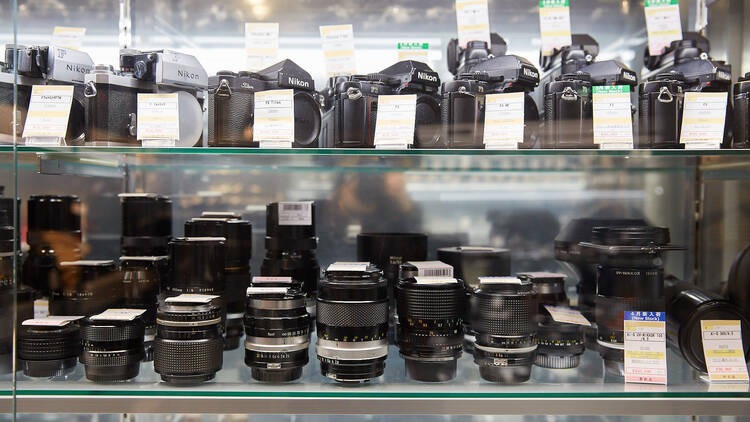
How to Source Used Camera via Rakufun?
Rakufun is a proxy service that partners directly with multiple Japanese e-commerce sites. You can use its website or mobile app to search, purchase, and manage the entire process from your home country. The key advantage is consolidation: you can shop from Mercari, JDirectItems Auctions(Yahoo Auctions), and Rakuten all in one place, have your items sent to Rakufun's secure warehouse, and then combine them into a single, cost-effective international shipment.
The Step-by-Step Rakufun Purchase Journey
Let's break down the straightforward process from browsing to unboxing your new-old camera.
Step 1: Search and Discovery
Start by creating an account on Rakufun's website or app. Choose the Japanese sites you want to explore. Use the search bar with English keywords—"Canon EOS R5" or "Olympus OM-1". Rakufun's system will pull relevant listings from the partner sites and provide auto-translated descriptions. This is your window into the entire Japanese market.
Step 2: Inspection and Purchase
This is where your due diligence makes all the difference. Never buy based on a thumbnail image alone. Rakufun allows you to view the original listing page, including all seller photos and the detailed condition description.
Look for clear photos of every angle. Check the product description for the seller's condition grade (terms like "Junk," "Fair," "Good," or "Like New" are common). For digital cameras, the shutter count is the most important metric—it's the camera's odometer. Don't hesitate to use Rakufun's customer service to ask the seller specific questions if details are unclear.
Once you're confident, simply add the item to your cart within Rakufun and proceed to checkout. You'll pay the item price plus Rakufun's transparent service fee. For cameras and lenses, Rakufun offers a paid photo inspection service. After the item arrives at the Rakufun warehouse, staff take detailed photos so you can verify the condition matches the listing before international shipping.
Step 3: Warehousing, Consolidation, and Shipping
After purchase, the seller ships your camera to Rakufun's domestic warehouse in Japan. Once it arrives, you'll receive a notification. Here's where the magic of consolidation happens: you can have Rakufun hold your item for a period (90 days for free) while you win other auctions or buy additional accessories.
When you're ready, you log into your account, select all the items you wish to ship together, and request package consolidation. Rakufun will expertly pack your camera, lenses, and any other finds into one secure box.
Finally, you choose your international shipping line. Options typically range from fast couriers like DHL to more economical EMS. Select the one that best balances your budget and timeline, pay the shipping fee, and your carefully curated package begins its journey to you.
What to Do When Your Camera Arrives
The journey isn’t over when the box lands on your doorstep.
- Film the Unboxing: This is non-negotiable. Start recording on your phone before you open the package. Capture the unsealing, the exterior condition of the box, and every layer of packaging. This is your irrefutable evidence in case of damage during transit.
- Inspect Immediately: Compare the physical item to the seller’s photos and the Rakufun inspection photos. Check for any new damage.
- Perform a Function Test: Insert a battery and memory card (or a roll of film). Test every button, dial, shutter speed, autofocus point, and port. Mount a lens and check the connection.
- Know the Return Reality: Understand that international returns for used goods are exceptionally difficult and expensive. Most Japanese marketplaces do not offer a simple return policy for buyer’s remorse. Returns are typically only feasible if the item is significantly not as described (SNAD). This is why your pre-purchase diligence and the photo service are your best protection.
Tips for Buying a Used Camera from Japan
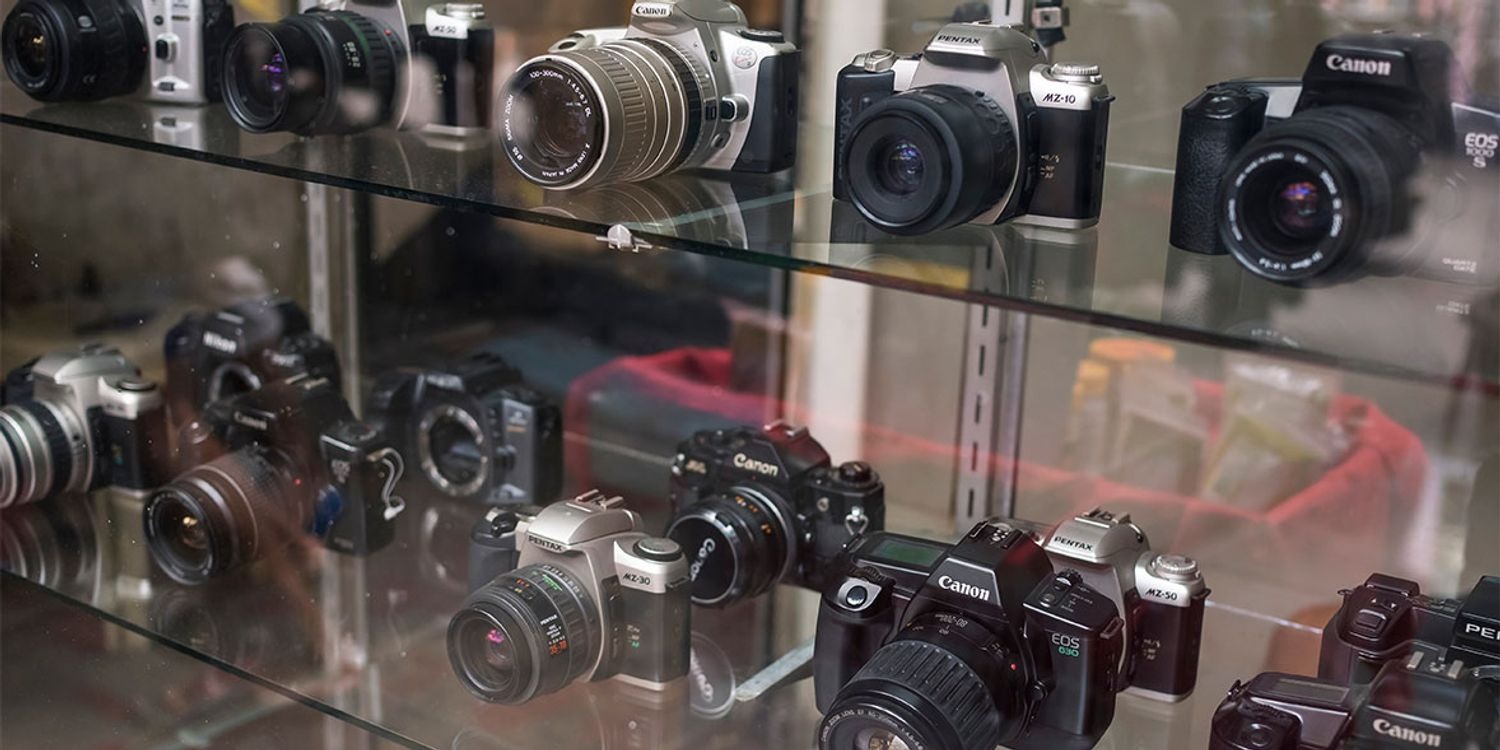
Do your homework on specific camera models before you shop. Know their common issues, what a fair price is, and what accessories should be included. Budget for all costs: remember to factor in the proxy service fee, international shipping, and potential import taxes or duties in your destination country. Here are some tips for buying a used camera from Japan:
- Read the full product description carefully. Japanese sellers often include important details about condition, testing status, and defects in the description rather than the title. For overseas buyers, this step is essential because returns can be difficult and costly.
- Prioritize functionality over cosmetic condition. Minor wear on the camera body is common and usually does not affect performance, but issues related to shutters, sensors, autofocus, or lens optics should be evaluated with extra caution.
- Pay close attention to lens condition notes. Terms related to fungus, haze, scratches, or internal dust are especially important when buying lenses, as these issues may affect image quality and are not always easy to repair.
- Confirm what is included in the package. Accessories such as batteries, chargers, lens caps, or original boxes are not guaranteed unless clearly stated. Missing accessories can add unexpected costs after purchase.
- Consider inspection services for high-value items. For expensive cameras or rare models, using a paid photo inspection service can help verify the item’s actual condition before it is shipped internationally.
- Check power and regional compatibility. Most Japanese camera chargers support global voltage, but overseas buyers should still confirm compatibility to avoid problems after delivery.
- Inspect and test the camera immediately upon arrival. Check all major functions as soon as possible and keep records of the unboxing and testing process, which can be helpful if shipping issues or insurance claims arise.
Final Thoughts
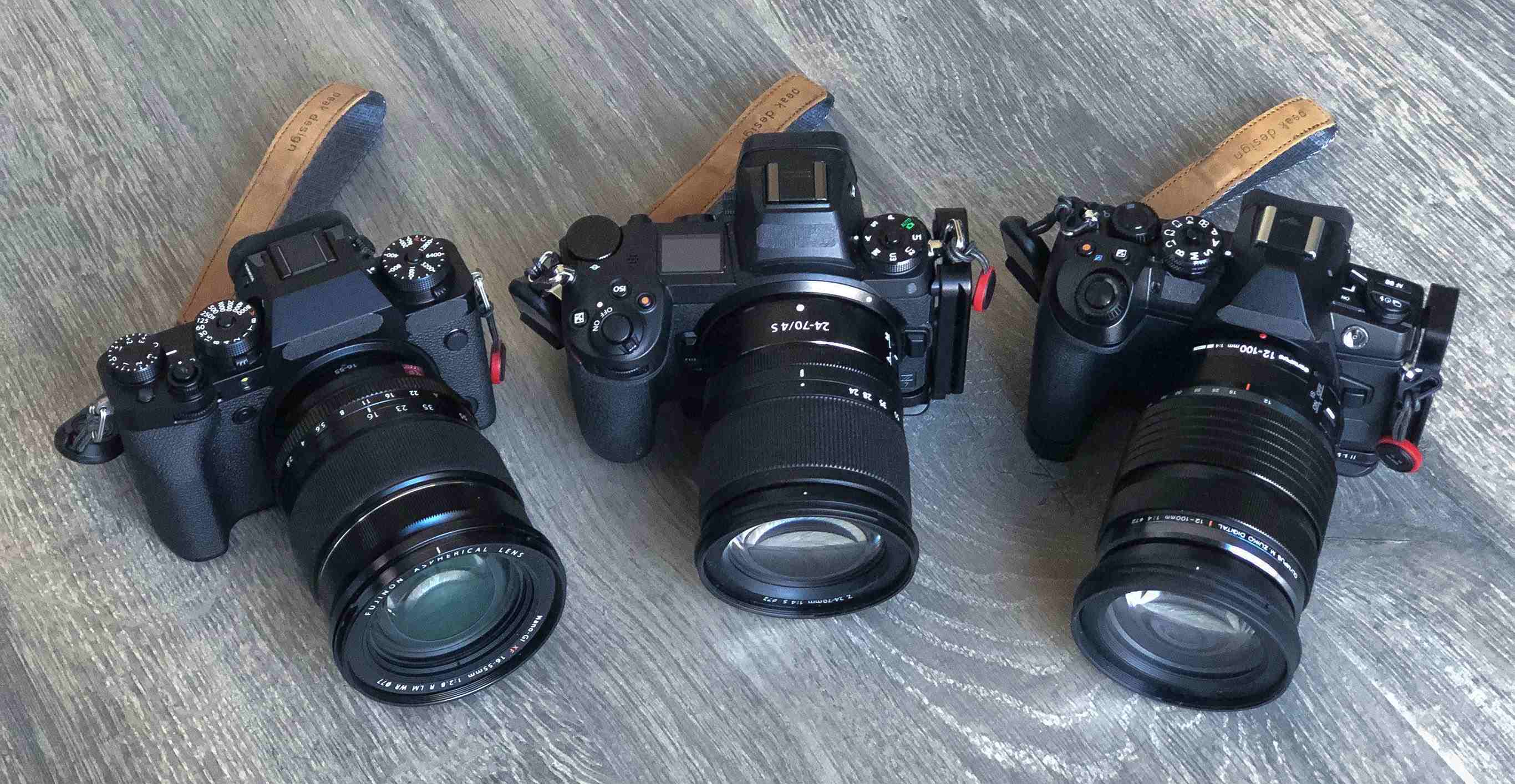
Buying used cameras from Japan can be extremely rewarding, but only if approached with patience and preparation. The biggest mistakes overseas buyers make are rushing decisions and assuming post-purchase solutions will be easy. By researching deeply, using Rakufun with photo checks, and inspecting rigorously, you'll sidestep pitfalls and enjoy gear that elevates your photography. A good used camera should feel like a thoughtful investment, not a gamble.