


'%20clip-path='url(%23master_svg0_435_106539/302_155699)'%3e%3cg%20transform='matrix(0,1,1,0,-10,10)'%3e%3cpath%20d='M4.64651757818006,15.35348295818006Q4.57620548818006,15.283170878180059,4.538152908180059,15.19130372818006Q4.500100258180059,15.09943655918006,4.500100258180059,15.00000026818006Q4.500100288180059,14.950764414180059,4.50970571818006,14.90247461918006Q4.519311158180059,14.854184818180059,4.538152908180059,14.80869683818006Q4.556994648180059,14.76320883818006,4.5843486181800595,14.72227072818006Q4.6117025881800595,14.68133261818006,4.646517608180059,14.64651760818006Q4.681332618180059,14.611702588180059,4.722270728180059,14.58434864818006Q4.763208838180059,14.55699467818006,4.80869683818006,14.53815292818006Q4.85418481818006,14.51931115818006,4.90247461918006,14.50970571818006Q4.9507644141800595,14.50010028818006,5.0000002681800595,14.50010025818006Q5.0994365591800594,14.50010025818006,5.19130372818006,14.53815290818006Q5.2831708781800595,14.57620548818006,5.353482958180059,14.64651757818006L5.35355364818006,14.64644688818006L8.00000026818006,17.29289366818006L10.64644696818006,14.64644688818006L10.646517568180059,14.64651757818006Q10.71682956818006,14.57620548818006,10.808696968180058,14.53815290818006Q10.90056446818006,14.50010025818006,11.00000026818006,14.50010025818006Q11.049235568180059,14.50010028818006,11.09752536818006,14.50970571818006Q11.14581516818006,14.51931115818006,11.19130356818006,14.53815290818006Q11.236791368180059,14.55699464818006,11.277729768180059,14.58434861818006Q11.318667668180058,14.611702588180059,11.35348296818006,14.64651760818006Q11.388298268180058,14.68133261818006,11.415652068180059,14.72227072818006Q11.443005868180059,14.76320883818006,11.461847568180058,14.80869683818006Q11.48068926818006,14.854184818180059,11.49029476818006,14.90247461918006Q11.499900168180059,14.950764414180059,11.499900168180059,15.00000026818006Q11.49989966818006,15.09943664118006,11.461846668180058,15.191303868180059Q11.42379406818006,15.28317108818006,11.35348246818006,15.35348319818006L11.353553068180059,15.353553648180059L8.35355356818006,18.35355356818006Q8.283227468180058,18.42387966818006,8.191341868180059,18.46193986818006Q8.099456068180059,18.50000006818006,8.000000068180059,18.50000006818006Q7.9005439681800596,18.50000006818006,7.80865836818006,18.46193986818006Q7.71677286818006,18.42387966818006,7.64644696818006,18.35355356818006L4.646446888180059,15.353553648180059L4.64651757818006,15.35348295818006Z'%20fill-rule='evenodd'%20fill='%23A0A2A2'%20fill-opacity='1'%20style='mix-blend-mode:passthrough'/%3e%3c/g%3e%3c/g%3e%3c/svg%3e)
'%3e%3cg%20transform='matrix(0,-1,1,0,-4,14)'%3e%3cpath%20d='M4.57582074,9.42417926Q4.49144626,9.33980477,4.44578308,9.22956416Q4.40011996,9.11932355,4.40011996,9Q4.40012002,8.940916978,4.41164654,8.88296923Q4.42317307,8.82502148,4.4457832,8.77043588Q4.46839327,8.71585029,4.50121802,8.66672456Q4.53404278,8.61759883,4.5758208,8.5758208Q4.61759883,8.53404278,4.6667245600000005,8.50121802Q4.71585029,8.46839321,4.77043588,8.44578314Q4.82502148,8.42317307,4.88296923,8.41164649Q4.940916978,8.40012002,5,8.40011996Q5.11932355,8.40011996,5.22956416,8.44578314Q5.33980477,8.49144626,5.42417926,8.57582074L5.4242640699999995,8.57573593L8,11.1514719L10.575736,8.57573593L10.5758209,8.57582062Q10.6601949,8.4914462,10.770435299999999,8.44578314Q10.880676300000001,8.40012002,11,8.40011996Q11.059083000000001,8.40012002,11.117030100000001,8.41164654Q11.1749778,8.42317307,11.229563200000001,8.4457832Q11.2841492,8.46839327,11.3332748,8.50121802Q11.3824005,8.53404278,11.4241791,8.5758208Q11.4659567,8.61759883,11.4987817,8.66672456Q11.531606700000001,8.71585029,11.5542164,8.77043588Q11.5768266,8.82502148,11.5883532,8.88296923Q11.599880200000001,8.940916978,11.599880200000001,9Q11.599880200000001,9.1193236,11.5542164,9.22956422Q11.5085535,9.33980486,11.4241791,9.42417938L11.424264,9.42426407L8.424264,12.424264Q8.3398728,12.508655300000001,8.229610000000001,12.5543277Q8.1193473,12.5999999,7.999999799999999,12.5999999Q7.8806524,12.5999999,7.7703898,12.5543275Q7.6601272,12.5086551,7.5757358,12.424264L4.5757359300000005,9.42426407L4.57582074,9.42417926Z'%20fill-rule='evenodd'%20fill='%23000000'%20fill-opacity='1'/%3e%3c/g%3e%3c/g%3e%3c/svg%3e)
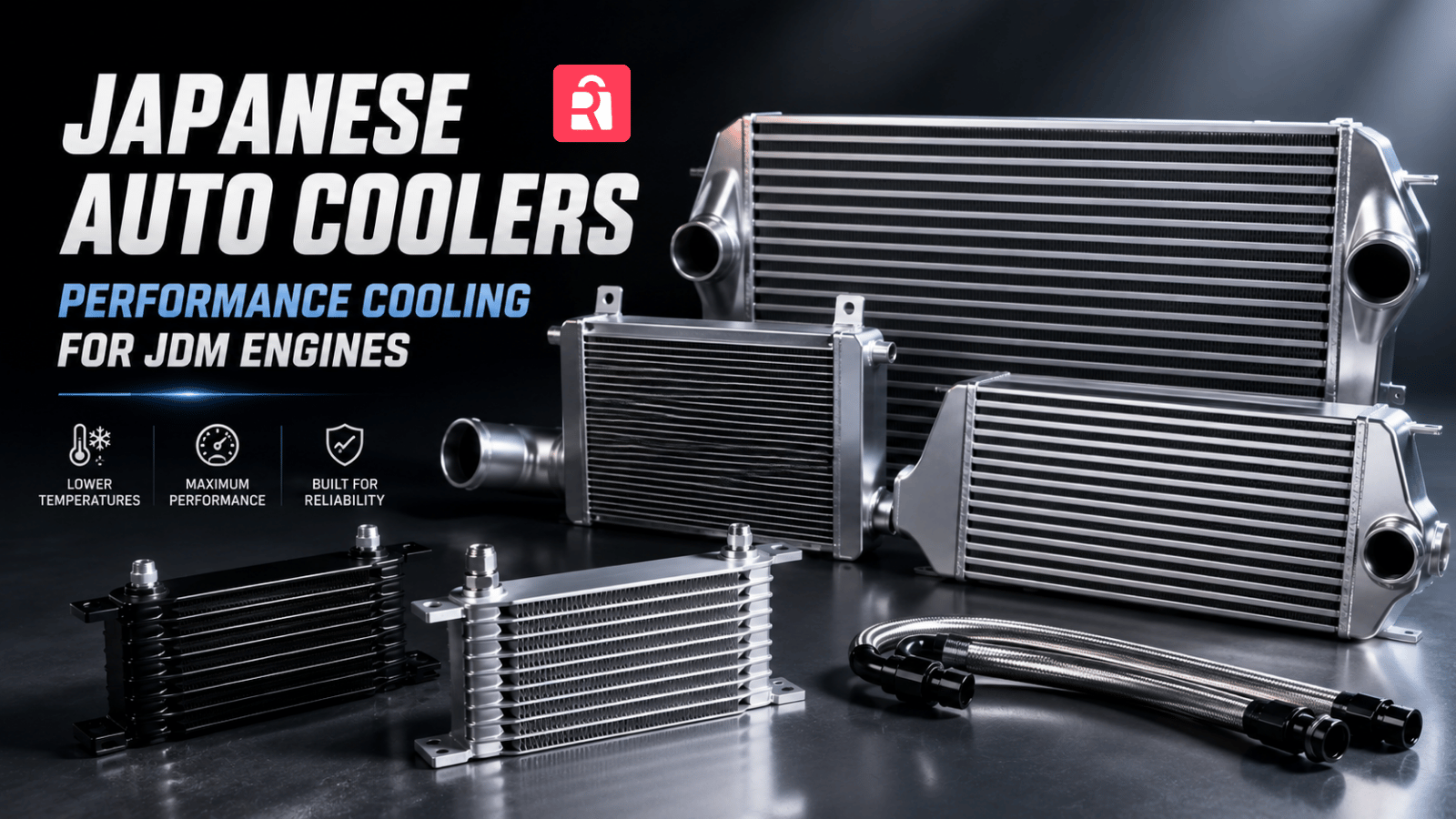
Heat is the enemy of performance. Whether you are pushing a turbocharged engine on a track day or towing heavy loads in summer heat, managing temperatures is critical to reliability and power delivery. Japanese cooling components have earned a global reputation for precision engineering, materials quality, and race‑proven design. This guide explores the leading Japanese intercooler and oil cooler manufacturers, explains what to look for when upgrading, and shows you how to purchase these components directly from Japan.
Table of Contents
- Why Cooling Upgrades Matter
- Intercoolers vs Oil Coolers: Understanding the Difference
- Leading Japanese Intercooler Manufacturers
- Leading Japanese Oil Cooler Manufacturers
- How to Buy Japanese Cooling Parts with Rakufun
- What to Look for When Buying a Japanese Intercooler
- Final Thoughts
Why Cooling Upgrades Matter
Modern performance engines generate significant heat, especially when modified. Turbocharged and supercharged engines compress air, which naturally raises its temperature. Denser, cooler air contains more oxygen, enabling more efficient combustion and reducing the risk of engine knock.
Oil, too, degrades under extreme heat. High oil temperatures break down the lubricating properties, leading to increased wear and potential component failure. When a vehicle is used for track days, spirited driving, or towing, standard factory cooling systems often reach their limits.
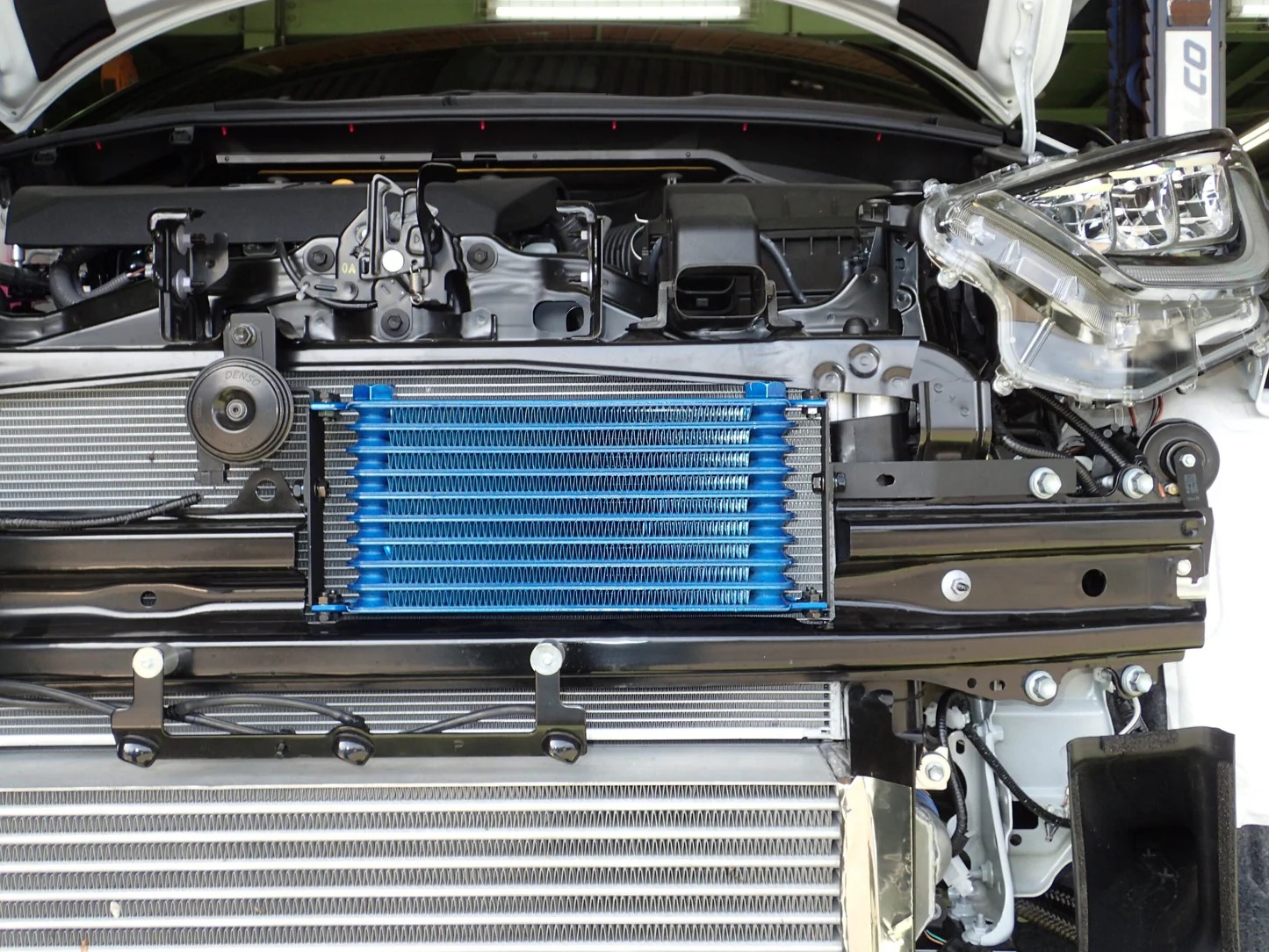
Japanese cooling components address these challenges. Manufacturers like HKS, GReddy, Blitz, and Cusco have decades of experience on circuits like Tsukuba and Fuji Speedway. Their products are tested under extreme conditions before reaching the market, ensuring reliability when it matters most. By upgrading intercoolers and oil coolers, you reduce intake air temperatures, extend engine life, and maintain consistent power delivery under demanding conditions.
Intercoolers vs Oil Coolers: Understanding the Difference
Both are heat exchangers, but they serve completely different purposes.
Intercoolers cool the compressed air exiting a turbocharger or supercharger before it enters the engine. Compressing air generates significant heat, which makes the air less dense and reduces the oxygen available for combustion. By cooling this air, an intercooler increases air density, allowing the engine to generate more power safely and reducing the risk of detonation. Intercoolers are air‑to‑air heat exchangers, using the vehicle's forward motion to pass ambient air over cooling fins. They are typically mounted in the front bumper, on the side of the front bumper, or in some applications under the hood. Their cores need to flow large volumes of air—much more than an oil cooler—while minimizing pressure drop.
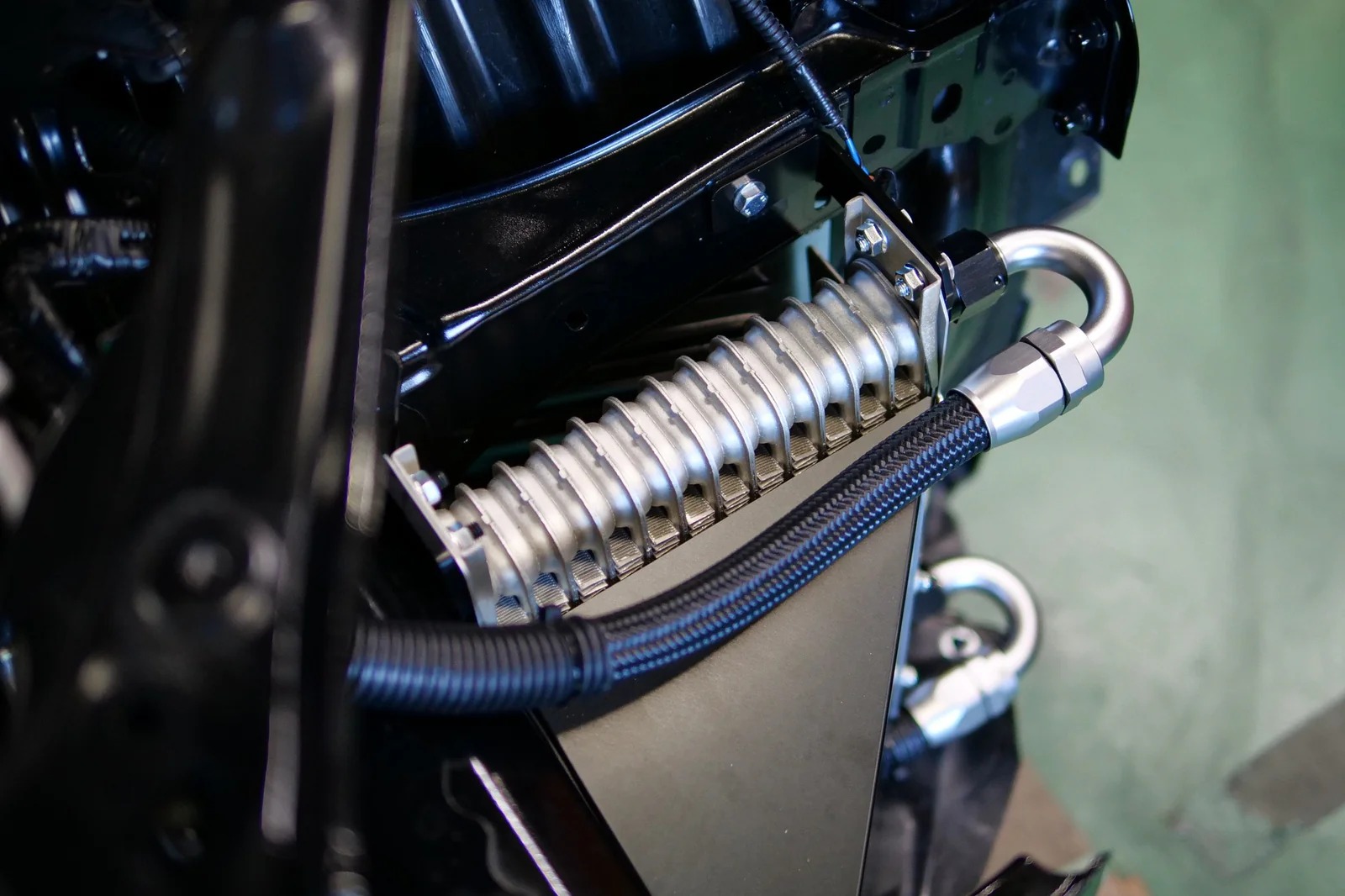
Oil coolers regulate the temperature of engine oil. During high‑load operation, oil temperatures can exceed safe levels, causing the oil to thin out and lose its protective properties. An oil cooler circulates oil through a small radiator (core) where it is cooled by ambient air or, in some designs like Cusco's water‑to‑oil unit, by engine coolant. Most aftermarket kits use a thermostatic sandwich plate that only routes oil to the cooler once it reaches a certain temperature (typically around 70–80°C). This ensures the oil warms up quickly from a cold start and maintains stable temperatures under load.
Both upgrades are essential for modified or track‑focused vehicles. A turbocharged car pushing higher boost levels benefits from a larger, more efficient intercooler. A car used for track days or heavy towing benefits from an oil cooler that prevents temperature spikes and oil degradation.
Leading Japanese Intercooler Manufacturers
GReddy (Trust): The Versatile Cooling Specialist
GReddy, also known as Trust in Japan, is one of the country's largest performance parts manufacturers. The company's cooling products are engineered with decades of motorsport experience, focusing on heat management for high‑output engines.
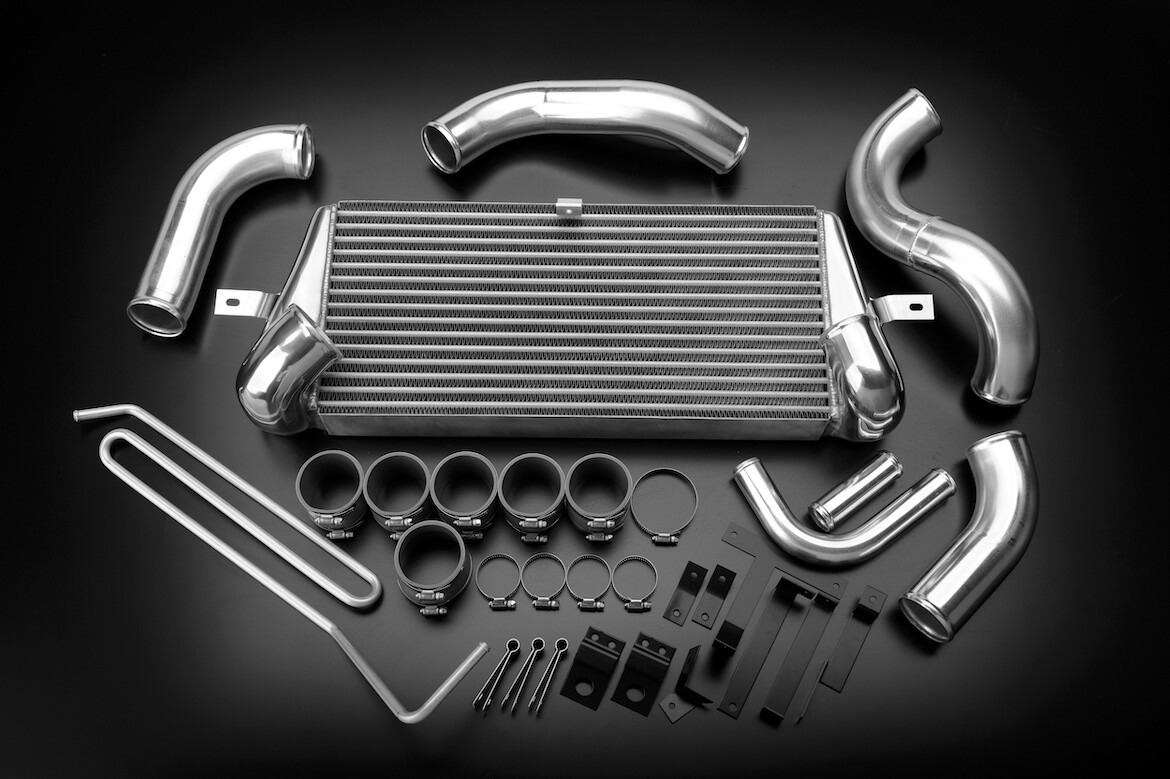
GReddy Intercooler Kits feature lightweight air‑to‑air intercooler cores with a unique Inner‑Fin design that optimizes cooling efficiency. The cores balance flow capacity and heat dissipation to prevent the pressure drop that can cause boost lag. Kits include aluminum charge piping, silicone hoses, and all necessary hardware for a complete, hassle‑free installation. GReddy offers vehicle‑specific solutions, meaning kits are designed to fit a particular chassis without extensive fabrication.
Blitz: Reliable, Cost‑Effective Cooling Solutions
Blitz is a well‑established Japanese performance brand offering a wide range of intercooler options. The company focuses on providing reliable cooling at accessible price points without sacrificing quality.
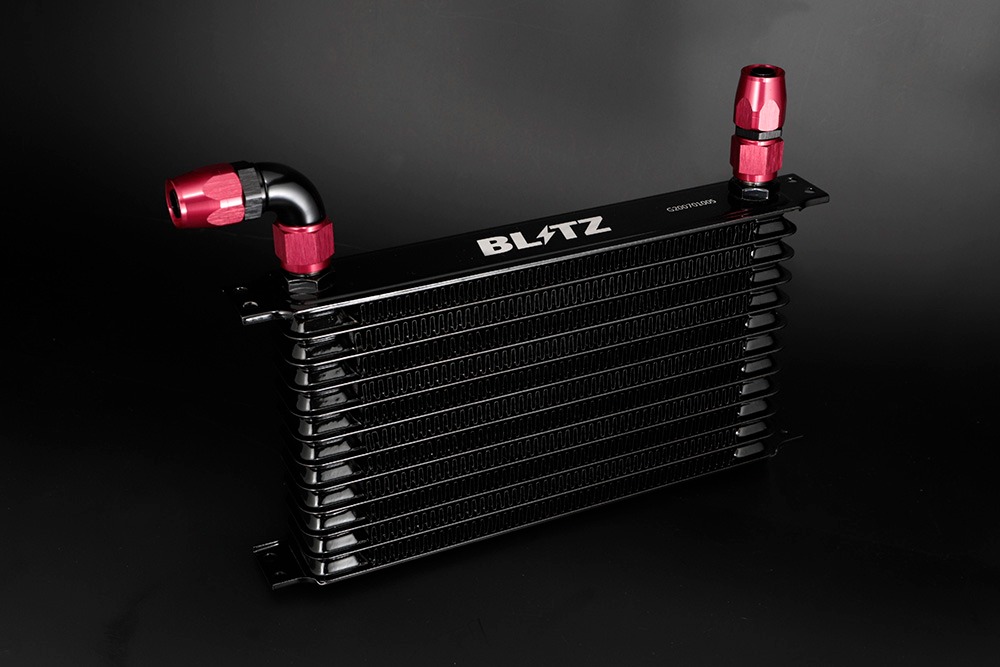
Blitz SE Intercooler Kits use a lightweight tube‑and‑fin core design that offers a balanced approach to cooling and airflow. The core efficiently draws heat away, allowing the engine to deliver consistent power. Kits come complete with aluminum piping, brackets, silicone hoses, and all necessary hardware for a straightforward installation. The standard core size is approximately 610 x 266 x 68mm.
ARC: The Premium Intercooler for JDM Enthusiasts
ARC International is widely considered one of the most premium brands in Japan, producing some of the highest quality intercoolers, radiators, and oil coolers available anywhere. Based in Shizuoka, ARC is known for its all‑aluminum construction and meticulous welding craftsmanship, earning icon status among JDM enthusiasts.
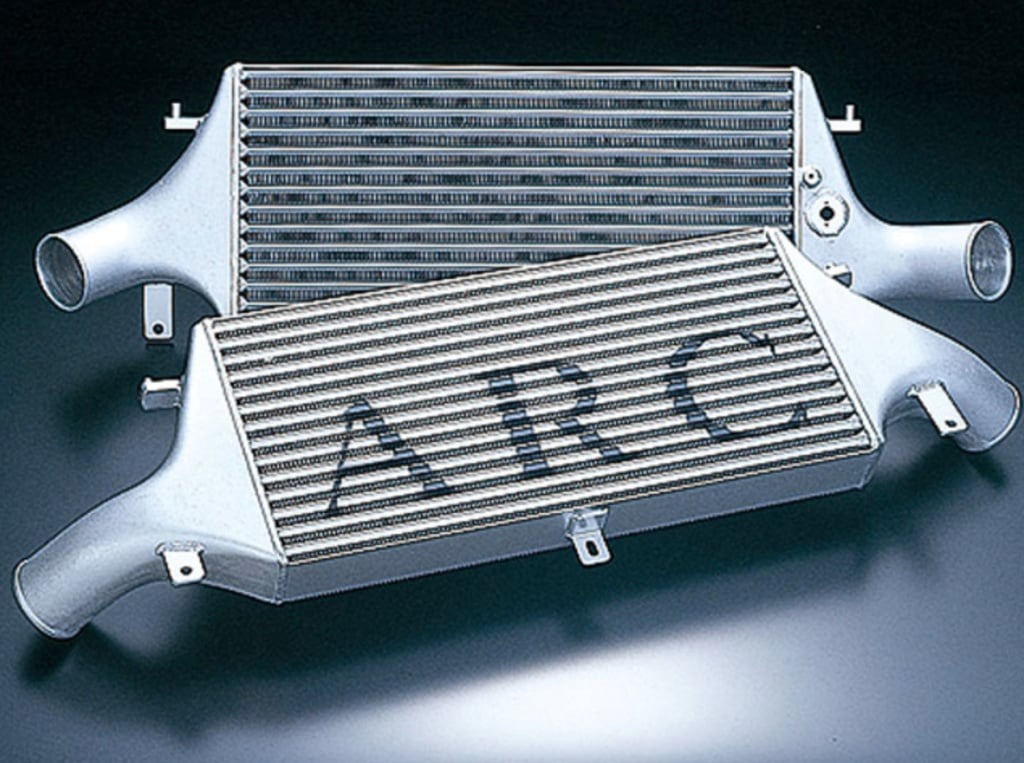
ARC Intercoolers are engineered to reduce pressure loss while increasing the cooling effect, helping to increase performance. They suit a wide range of applications, from a light tune to a hard tune, and are available for numerous Japanese platforms. Each unit is all‑aluminum and features the distinctive ARC black logo.
Leading Japanese Oil Cooler Manufacturers
HKS: Premium Oil Cooling for Street and Track
HKS is arguably the most recognized Japanese performance brand globally. The company's oil coolers are used by enthusiasts who demand the best for their engines.
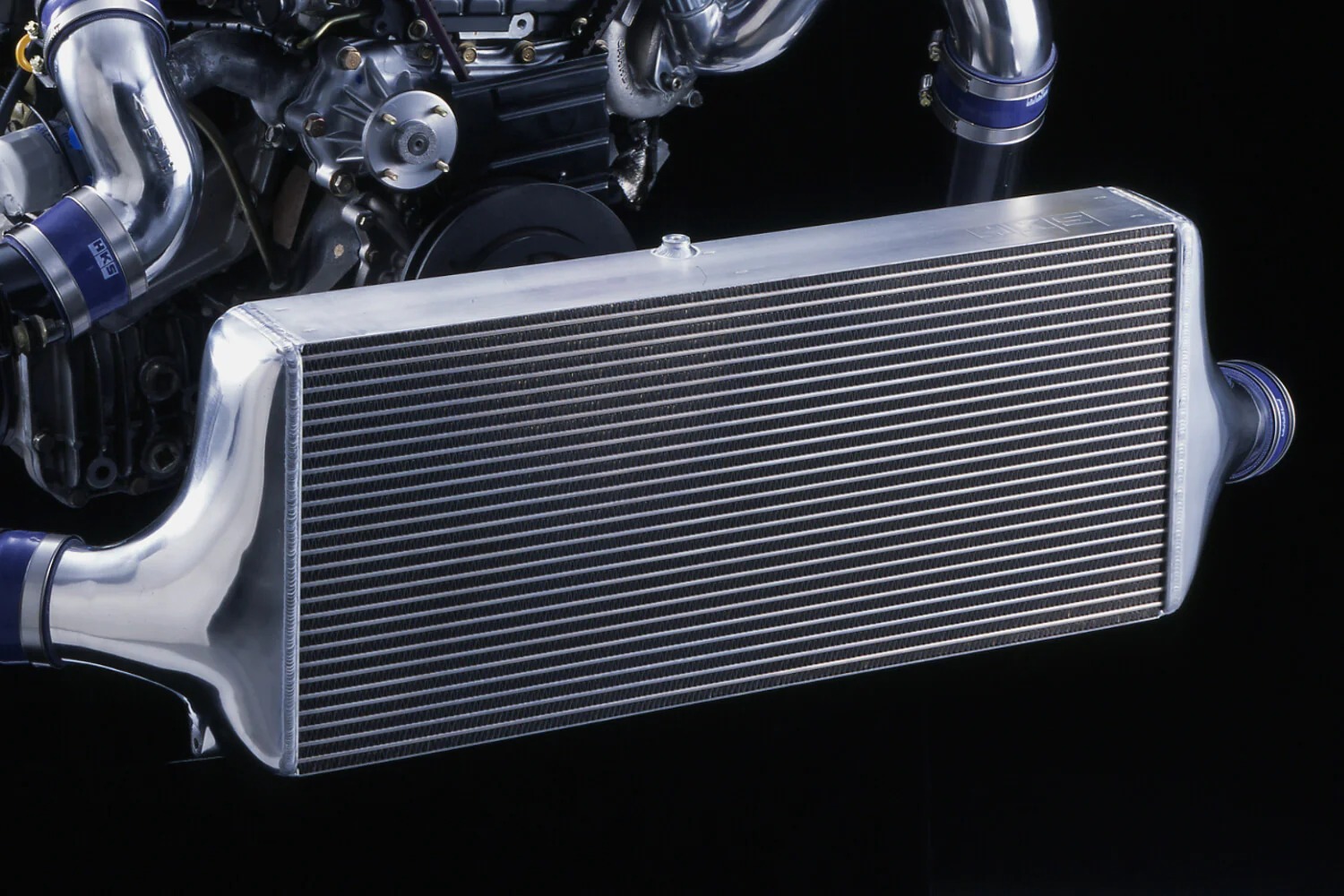
HKS Oil Cooler Kits are engineered to maintain cool engine oil temperatures, even during aggressive track use. The cores feature an efficient inner‑fin design. Strategically mounting the core ensures optimum cooling properties while increasing oil volume. Most HKS kits include a thermostatic sandwich plate that only routes oil to the cooler once it reaches approximately 70–80°C, allowing the engine to reach operating temperature quickly. HKS also offers universal kits with aluminum air ducts that direct airflow directly into the core.
HKS designs vehicle‑specific kits for popular platforms like Subaru WRX STI, Nissan GT‑R, and Toyota 86/BRZ. These kits are direct bolt‑on applications, making installation easier for enthusiasts.
GReddy Oil Coolers: Proven Performance with Thermostatic Control
GReddy's oil coolers are among the most popular on the market, offering a balance of performance, fitment, and price.
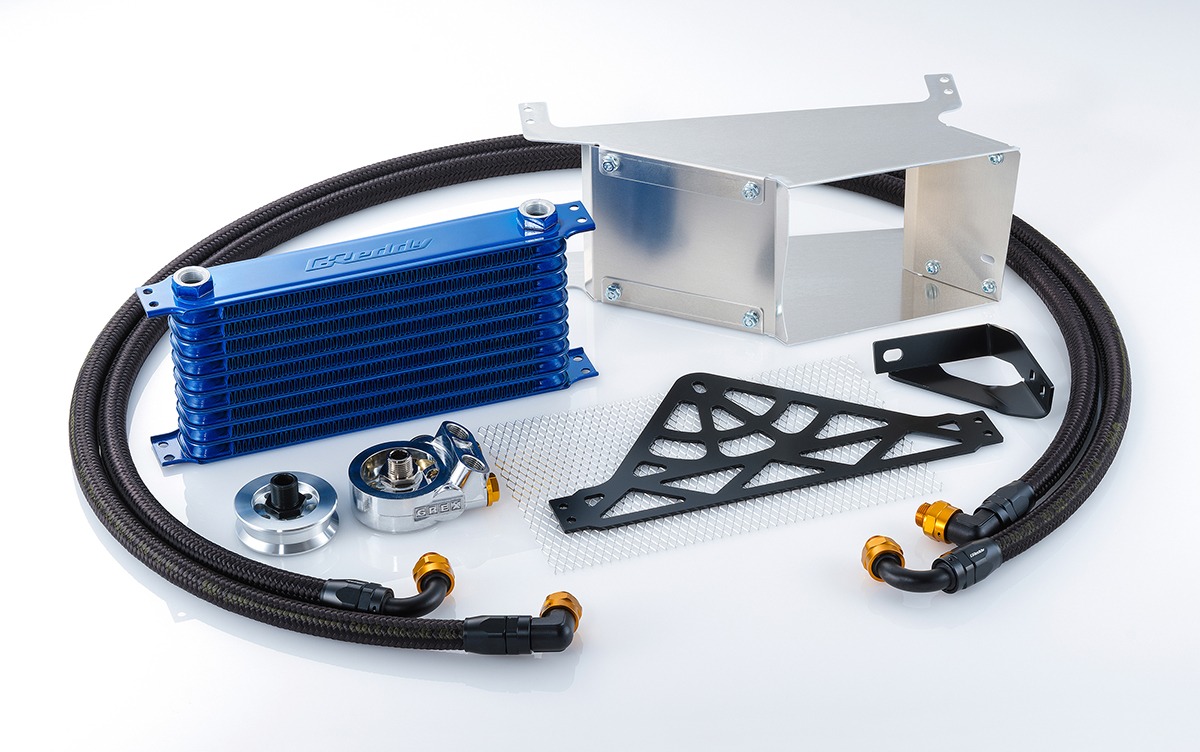
GReddy Oil Cooler Kits feature inner‑fin cores similar to their intercoolers, maximizing heat dissipation in a compact package. Kits come with all necessary brackets, lines, and hardware for a complete installation. Each kit includes a reliable thermostatic oil block that ensures oil only flows to the cooler once operating temperatures are reached.
A GR86 owner who installed a GReddy oil cooler noted that high‑quality fit and finish were immediately apparent. The instructions were clear enough even without reading Japanese. After installation, operating temperatures stabilized around 175°F, with no noticeable drops in oil pressure. The cooler maintained stable temperatures even during spirited driving.
Cusco: Innovative Water‑to‑Oil Cooling Technology
Cusco offers a unique approach to oil cooling. Instead of a traditional air‑to‑oil cooler, Cusco produces a water‑to‑oil engine oil cooler, designed for the Toyota 86, Subaru BRZ, and Scion FR‑S.
The Cusco 965 012 AN Water‑to‑Oil Cooler Kit reduces oil temperatures when they reach or exceed approximately 130°C (266°F). It brings the oil to a safe operating temperature faster, reducing frictional heat during warm‑up. The 7‑row core has a capacity of 4000 KCal, increasing oil capacity while enhancing cooling efficiency.
Because the cooler uses engine coolant as the medium, positioning and ducting are not issues. Installation is more straightforward than traditional air‑oil coolers. Users report immediate drops in oil temperatures during spirited driving sessions, noting it is reassuring to know their engine is protected.
Blitz Oil Coolers: Versatile Kits with Built-in Thermostats
Blitz offers a complete line of oil coolers for various applications, with the Racing Oil Cooler Kit RD replacing the successful RS line.
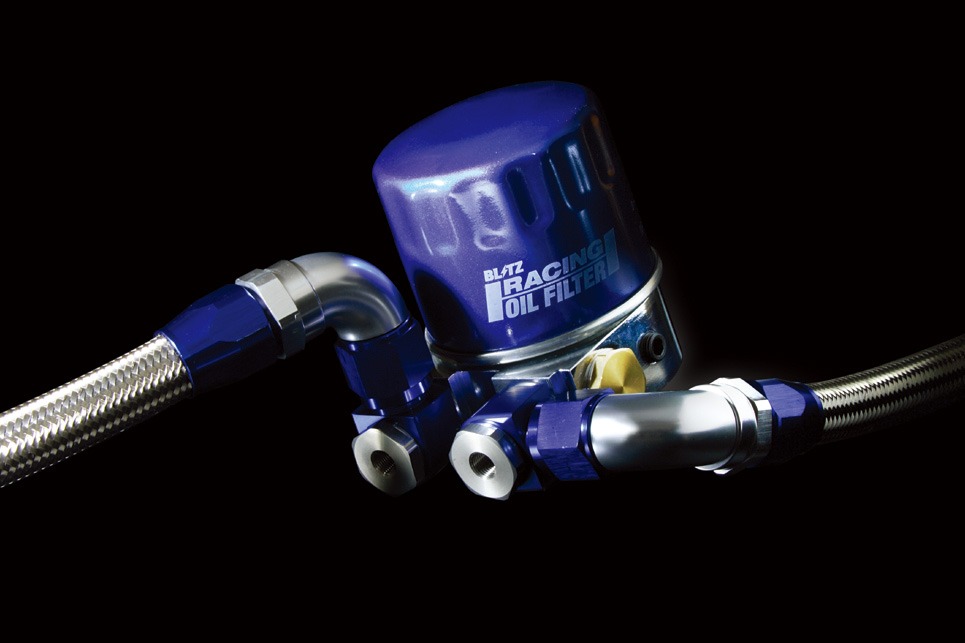
Blitz Racing Oil Cooler Kits use drawn cup type cores that excel in cost‑to‑performance. They are available as vehicle‑specific or universal kits. The built‑in thermostat attachment enables accurate oil temperature monitoring, while newly developed fittings are highly reliable. A dedicated air guide is attached to some models to direct airflow where it is needed. The new oil cooler core has been finished with black powder coating for greater durability and reliability, and Blitz recommends using their Racing Oil Filter alongside the kit.
How to Buy Japanese Cooling Parts with Rakufun
Many Japanese aftermarket retailers and individual sellers on platforms like Mercari, Rakuma, Surugaya, and Yahoo! Japan Auctions do not ship internationally. Rakufun solves this problem. Rakufun is a proxy shopping platform available as a website and mobile app. It partners with dozens of Japanese online stores, handling domestic purchases and international shipping with 0% purchasing fees—you pay only for items and shipping.
Step‑by‑step process:
-
Find your cooling component
- Direct Search: Use Rakufun's built‑in search to browse items from partnered platforms like Mercari, Rakuma, Surugaya, Rakuten, Amazon JP, and Yahoo! Japan Auctions. Search by brand and model—for example, "HKS oil cooler kit" or "GReddy intercooler."
- Link2Buy Method: If you find a specific component on a Japanese website that does not ship internationally, copy the product URL and paste it into Rakufun‘s Link2Buy tool. You will need to manually enter the product name, specification, price (JPY), quantity, and domestic shipping fee.
- Place your order. Add the component to your cart and proceed to checkout. Pay for the item and domestic shipping. Rakufun purchases the component on your behalf using their local Japanese address.
- Warehouse arrival. The seller ships the cooling component to Rakufun's domestic warehouse in Japan. You will receive a notification when the package arrives.
- Consolidate multiple items. Rakufun offers up to 90 days of free warehouse storage. If you are buying an intercooler kit, piping, and other supporting parts, you can wait until everything arrives and combine them into one shipment. This saves significantly on international shipping.
- Choose international shipping and receive. Select your preferred international shipping method: DHL, EMS, Air Freight, or Sea Freight. Rakufun professionally repacks your items to ensure they are secure for the journey, and you receive a tracking number.
What to Look for When Buying a Japanese Intercooler
Selecting the right intercooler requires evaluating several factors. Core size and thickness are primary consideration. Standard intercoolers are about 3 to 3.5 inches thick, suitable for street driving and supporting up to approximately 640 to 700 horsepower. Larger intercoolers of 4 or 4.5 inches can increase boost lag, so a balance must be struck.
Core design falls into two main categories: bar‑and‑plate and tube‑and‑fin. Bar‑and‑plate is generally more efficient at heat transfer but is typically more expensive. Tube‑and‑fin offers balanced performance at a lower cost and is common in entry‑level kits.
End tank construction affects durability and performance. Cast or billet aluminum end tanks are stronger and resist cracking better than plastic OEM units. Welded aluminum works well for custom applications, though weld quality varies between manufacturers.
Inlet and outlet sizing should match your vehicle's charge piping. Some applications benefit from larger inlets to take in more compressed air, but mismatched sizes create restrictions.
Fitment and vehicle compatibility is critical. Japanese intercoolers are designed for JDM‑spec vehicles. If you own an export model, verify fitment with the manufacturer or consult community forums before purchasing.
Installation requirements vary. Some intercoolers require cutting the bumper support, relocating the power steering cooler, or removing fog lights. Reading instructions before ordering prevents unpleasant surprises.
Core material should be all‑aluminum. Aluminum offers superior heat dissipation and durability compared to OEM plastic‑end tank designs, which can crack under boost pressure.
Final Thoughts
Japanese intercoolers and oil coolers represent the pinnacle of performance cooling engineering. Whether you choose HKS for its premium oil cooling solutions, GReddy for its versatile and proven intercoolers, ARC for its premium craftsmanship, Blitz for reliable cost‑effective options, Cusco for innovative water‑to‑oil technology, or Tomei for Nissan‑specific performance, you are investing in decades of motorsport experience.
When purchasing directly from Japan, pay attention to fitment compatibility, supporting modifications, and thermostatic control for oil coolers. Plan for shipping weight and installation requirements. With Rakufun handling the logistics, the process is straightforward and cost‑effective.
Have you installed a Japanese cooling component on your car? Share your experience and ask questions in the comments below.