





'%20clip-path='url(%23master_svg0_435_106539/302_155699)'%3e%3cg%20transform='matrix(0,1,1,0,-10,10)'%3e%3cpath%20d='M4.64651757818006,15.35348295818006Q4.57620548818006,15.283170878180059,4.538152908180059,15.19130372818006Q4.500100258180059,15.09943655918006,4.500100258180059,15.00000026818006Q4.500100288180059,14.950764414180059,4.50970571818006,14.90247461918006Q4.519311158180059,14.854184818180059,4.538152908180059,14.80869683818006Q4.556994648180059,14.76320883818006,4.5843486181800595,14.72227072818006Q4.6117025881800595,14.68133261818006,4.646517608180059,14.64651760818006Q4.681332618180059,14.611702588180059,4.722270728180059,14.58434864818006Q4.763208838180059,14.55699467818006,4.80869683818006,14.53815292818006Q4.85418481818006,14.51931115818006,4.90247461918006,14.50970571818006Q4.9507644141800595,14.50010028818006,5.0000002681800595,14.50010025818006Q5.0994365591800594,14.50010025818006,5.19130372818006,14.53815290818006Q5.2831708781800595,14.57620548818006,5.353482958180059,14.64651757818006L5.35355364818006,14.64644688818006L8.00000026818006,17.29289366818006L10.64644696818006,14.64644688818006L10.646517568180059,14.64651757818006Q10.71682956818006,14.57620548818006,10.808696968180058,14.53815290818006Q10.90056446818006,14.50010025818006,11.00000026818006,14.50010025818006Q11.049235568180059,14.50010028818006,11.09752536818006,14.50970571818006Q11.14581516818006,14.51931115818006,11.19130356818006,14.53815290818006Q11.236791368180059,14.55699464818006,11.277729768180059,14.58434861818006Q11.318667668180058,14.611702588180059,11.35348296818006,14.64651760818006Q11.388298268180058,14.68133261818006,11.415652068180059,14.72227072818006Q11.443005868180059,14.76320883818006,11.461847568180058,14.80869683818006Q11.48068926818006,14.854184818180059,11.49029476818006,14.90247461918006Q11.499900168180059,14.950764414180059,11.499900168180059,15.00000026818006Q11.49989966818006,15.09943664118006,11.461846668180058,15.191303868180059Q11.42379406818006,15.28317108818006,11.35348246818006,15.35348319818006L11.353553068180059,15.353553648180059L8.35355356818006,18.35355356818006Q8.283227468180058,18.42387966818006,8.191341868180059,18.46193986818006Q8.099456068180059,18.50000006818006,8.000000068180059,18.50000006818006Q7.9005439681800596,18.50000006818006,7.80865836818006,18.46193986818006Q7.71677286818006,18.42387966818006,7.64644696818006,18.35355356818006L4.646446888180059,15.353553648180059L4.64651757818006,15.35348295818006Z'%20fill-rule='evenodd'%20fill='%23A0A2A2'%20fill-opacity='1'%20style='mix-blend-mode:passthrough'/%3e%3c/g%3e%3c/g%3e%3c/svg%3e)
'%3e%3cg%20transform='matrix(0,-1,1,0,-4,14)'%3e%3cpath%20d='M4.57582074,9.42417926Q4.49144626,9.33980477,4.44578308,9.22956416Q4.40011996,9.11932355,4.40011996,9Q4.40012002,8.940916978,4.41164654,8.88296923Q4.42317307,8.82502148,4.4457832,8.77043588Q4.46839327,8.71585029,4.50121802,8.66672456Q4.53404278,8.61759883,4.5758208,8.5758208Q4.61759883,8.53404278,4.6667245600000005,8.50121802Q4.71585029,8.46839321,4.77043588,8.44578314Q4.82502148,8.42317307,4.88296923,8.41164649Q4.940916978,8.40012002,5,8.40011996Q5.11932355,8.40011996,5.22956416,8.44578314Q5.33980477,8.49144626,5.42417926,8.57582074L5.4242640699999995,8.57573593L8,11.1514719L10.575736,8.57573593L10.5758209,8.57582062Q10.6601949,8.4914462,10.770435299999999,8.44578314Q10.880676300000001,8.40012002,11,8.40011996Q11.059083000000001,8.40012002,11.117030100000001,8.41164654Q11.1749778,8.42317307,11.229563200000001,8.4457832Q11.2841492,8.46839327,11.3332748,8.50121802Q11.3824005,8.53404278,11.4241791,8.5758208Q11.4659567,8.61759883,11.4987817,8.66672456Q11.531606700000001,8.71585029,11.5542164,8.77043588Q11.5768266,8.82502148,11.5883532,8.88296923Q11.599880200000001,8.940916978,11.599880200000001,9Q11.599880200000001,9.1193236,11.5542164,9.22956422Q11.5085535,9.33980486,11.4241791,9.42417938L11.424264,9.42426407L8.424264,12.424264Q8.3398728,12.508655300000001,8.229610000000001,12.5543277Q8.1193473,12.5999999,7.999999799999999,12.5999999Q7.8806524,12.5999999,7.7703898,12.5543275Q7.6601272,12.5086551,7.5757358,12.424264L4.5757359300000005,9.42426407L4.57582074,9.42417926Z'%20fill-rule='evenodd'%20fill='%23000000'%20fill-opacity='1'/%3e%3c/g%3e%3c/g%3e%3c/svg%3e)
Rakuma is one of Japan’s major consumer-to-consumer (C2C) marketplaces, closely connected to the Rakuten ecosystem. It is widely used by individuals in Japan to buy and sell second-hand goods, daily items, and occasionally brand-new products at flexible prices.
For international buyers, Rakuma often appears as a quieter alternative to larger resale platforms—offering different pricing patterns, seller behavior, and product categories. However, like many Japanese marketplaces, Rakuma is primarily designed for domestic users. This article explains how Rakuma works, what people commonly buy there, and how to use Japan proxy services to access Rakuma's products more easily for overseas shoppers.
Table of Contents
- What is Rakuma?
- Why Shop from Rakuma?
- What Can You Buy on Rakuma?
- Rakuma X Rakufun Japan Proxy
- Tips for Shopping on Rakuma via Rakufun Japan Proxy
- Rakuma vs. Rakuten - What's the difference?
- Who Rakuma + Rakufun is Suitable For
- Conclusion
What is Rakuma?
Rakuma is a well-established online marketplace in Japan, operated by Rakuten Group, one of the country's leading e-commerce companies. Launched in 2014, Rakuma functions primarily as a flea market-style platform where individuals and small sellers can list items for sale. It's available via a mobile app and website, making it accessible for both buyers and sellers within Japan. As a Japan proxy Rakufun enable cross-border shopping by handling the purchasing and shipping process for global shoppers.
Rakuma emphasizes consumer-to-consumer transactions, similar to platforms like Mercari. Key characteristics of Rakuma include:
- Listings created by individual sellers
- A strong presence of everyday and second-hand goods
- Integration with Rakuten accounts and payment systems
- Generally lower entry barriers for casual sellers
Unlike traditional online stores, Rakuma does not manage inventory or guarantee uniform product standards. Each listing reflects the seller’s own description and expectations.
Why Shop from Rakuma?
For international shoppers considering Rakuma, several practical aspects distinguish it from other Japanese e-commerce platforms. Understanding these can help determine if it aligns with your shopping goals.
- Access to Unique and Rare Items: Rakuma excels as a source for goods that are not typically available through standard retail channels. This includes limited-edition releases, vintage fashion, event-exclusive merchandise, discontinued anime figures, and one-of-a-kind craft items. It serves as a direct line to the personal collections and creative outputs of individuals across Japan.
- Competitive Pricing on Pre-owned Goods: The C2C nature of the platform often results in more attractive pricing for pre-owned items in good condition. Savvy shoppers can find high-quality Japanese brands and electronics at a fraction of their original retail price. The offer/negotiation feature on some listings also provides room for better deals.
- A Glimpse into Authentic Japanese Culture and Trends: Browsing Rakuma is like exploring a digital version of a Japanese flea market or community bazaar. It reflects current personal tastes, subcultures, and the circular economy within Japan. Shopping here can lead to discoveries that go beyond mainstream export goods, offering a more authentic and personal connection to Japanese styles and hobbies.
- Supporting Individual Sellers: Purchases on Rakuma often directly support individual sellers, artisans, and small-scale creators rather than large corporations. This can be an appealing aspect for those who prefer a more personal and community-oriented shopping experience.
Utilizing Rakufun to shop on Rakuma mitigates the main barrier of international access, handling language, payment, and shipping logistics, making these unique benefits readily available to a global audience.
What Can You Buy on Rakuma?
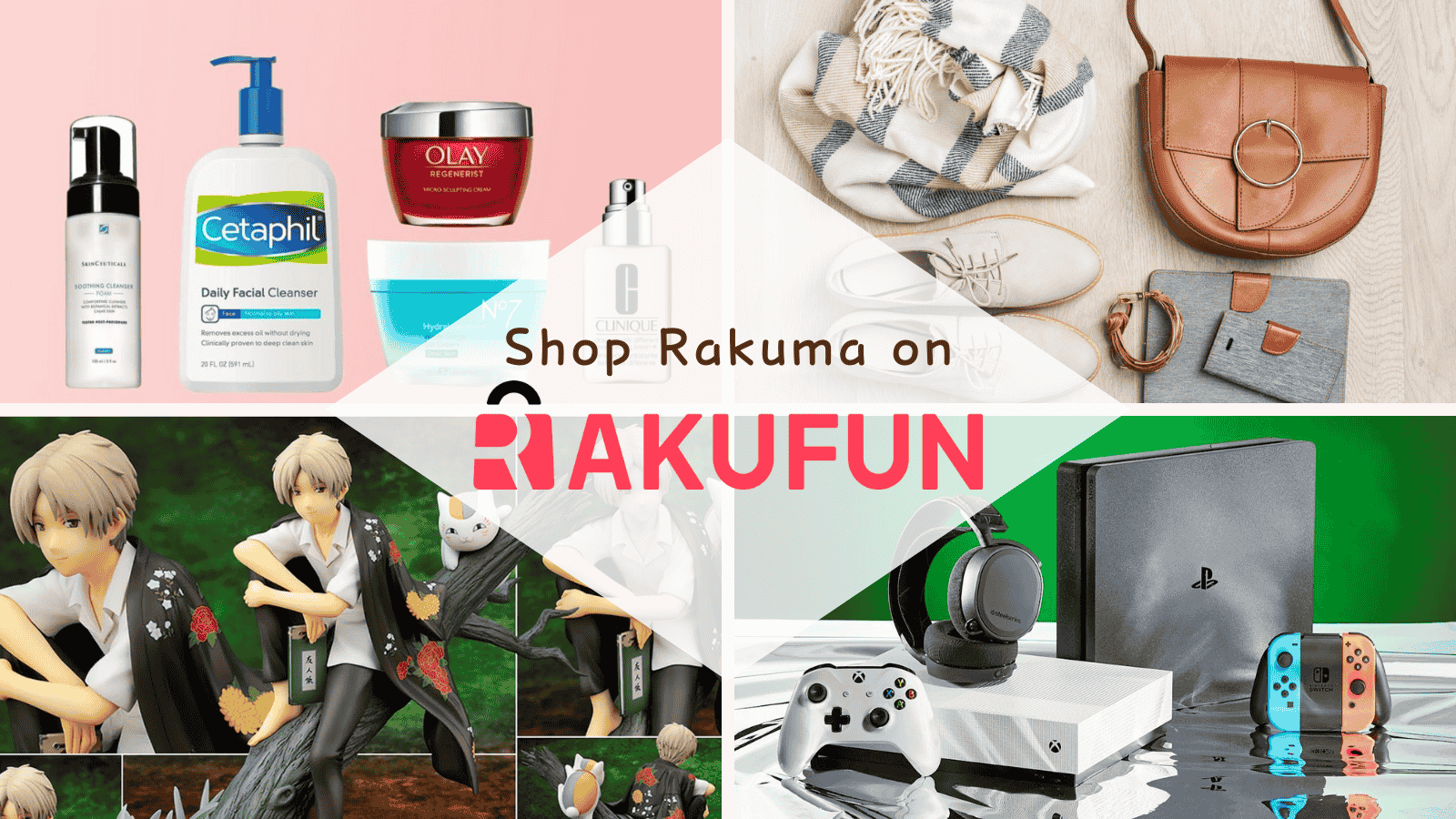
Rakuma offers a diverse selection of goods, catering to various interests and needs. As a marketplace, it focuses on second-hand, pre-owned, and handmade items, though new products are also available from individual sellers. Common categories include:
- Fashion and Accessories: Clothing, shoes, bags, and jewelry, often at competitive prices. You might find vintage pieces, designer items, or casual wear from popular Japanese brands.
- Electronics and Gadgets: Smartphones, cameras, gaming consoles, and accessories. Pre-owned tech like Nintendo Switch games or anime-related merchandise is particularly common.
- Beauty and Health Products: Cosmetics, skincare items, and supplements from Japanese brands known for their quality, such as those from Shiseido or local indie makers.
- Home and Lifestyle: Kitchenware, decor, stationery, and hobby supplies. This includes unique items like traditional Japanese crafts or kawaii-themed products.
- Books, Media, and Collectibles: Manga, novels, CDs, DVDs, and collectible figures from anime, manga, or pop culture franchises.
- Toys and Games: Board games, puzzles, and children's items, often featuring characters from Pokémon or Studio Ghibli.
The variety on Rakuma reflects Japan's consumer culture, with an emphasis on affordability and uniqueness. Prices can vary based on condition and rarity, and the platform often features deals or auctions for added excitement.
Rakuma X Rakufun Japan Proxy
Rakufun is a Japan proxy platform that partners with multiple Japanese sites, including Rakuma, to help overseas users buy and ship products. This collaboration allows direct access to Rakuma's inventory without needing a Japanese address or payment method. Rakufun operates through both website and mobile app, providing a user-friendly interface for global customers.
The purchasing process on Rakufun is structured as follows:
- Search and Browse: Users can search for Rakuma's items directly within the Rakufun platform. Enter keywords in Rakuma site and browse for your desired item. Once you find an item, add it to your cart.
- Place Order: Proceed to checkout and complete payment using payment methods like Paypal, Alipay, etc. on Rakufun.Rakufun handles the purchase on your behalf.
- Warehouse Handling: After the seller ships the item to Rakufun's warehouse in Japan, Rakufun's team inspects and stores it. You will have 90-days free storage. In this case, you can shop for more items and ship them together.
- Consolidation and Shipping: Users can combine multiple items into one package (known as consolidation) to save on shipping costs. Then, select a shipping method and route for delivery to your location.
This Japan-based proxy service seamlessly connects global shoppers with local markets by handling regional payment and address specifications. Rakufun's integration with Rakuma simplifies what could otherwise be a complex process involving language translation and currency conversion.
Tips for Shopping on Rakuma via Rakufun Japan Proxy
When using Rakufun as a Japan proxy to purchase from Rakuma, consider these practical tips to manage potential challenges and ensure a smoother experience:
- Review Seller and Item Details Thoroughly: Since Rakuma features many second-hand items, product quality can vary. Check seller ratings, read descriptions carefully, and look at photos to avoid mismatches in condition. Rakufun provides auto translation assistance, but please double-check key information.
- Account for Shipping Delays and Costs: International shipping typically takes 1-4 weeks, depending on the chosen method. Be prepared for customs inspections, which may result in additional tariffs or taxes based on your country's rules.
- Prepare for Transit Risks: There's a minor chance of loss or damage during shipping, but Rakufun offers tracking and optional insurance to help mitigate this.
- Understand Policies: Familiarize yourself with return options, which are generally limited on platforms like Rakuma, and may depend on individual sellers.
Rakuma vs. Rakuten - What's the difference?
While both Rakuma and Rakuten are part of the same corporate group, they serve distinct purposes in Japan's online shopping scene. Rakuten, also known as Rakuten Ichiba, is a comprehensive e-commerce site similar to Amazon, where major retailers and brands sell new products directly to consumers. It offers a vast inventory across categories like electronics, fashion, groceries, and more, with features like fast shipping and extensive customer reviews.
Here are key differences :
Rakuma
- Consumer-to-consumer (C2C) marketplace
- Sellers are individuals
- Many items are second-hand
- Pricing and condition vary by seller
Rakuten (Main Marketplace)
- Business-to-consumer (B2C) platform
- Sellers are shops or brands
- Items are typically new
- Clearer return and warranty policies
Both Rakuten and Rakuma are available on Rakufun.Choosing between them depends on whether you're seeking new retail experiences (Rakuten) or bargain hunts and unique finds (Rakuma).
Who Rakuma + Rakufun is Suitable For
This shopping method may be suitable for users who:
- Are comfortable buying second-hand goods
- Want access to various Japanese items
- Prefer lower competition compared to major resale platforms
- Understand how a Japan proxy works
It may be less suitable for users who:
- Expect retail-level guarantees
- Only want brand-new items
- Prefer instant international shipping
Conclusion
Rakuma offers a unique window into the vibrant second-hand and personal selling market in Japan, filled with opportunities to discover rare fashion, anime goods, and cultural items. Through the partnership with Rakufun, international shoppers gain a practical pathway to access this marketplace. By understanding the nature of structure and carefully following the Rakufun purchasing process while being aware of the considerations involved, you can make informed decisions and enjoy exploring this distinctive aspect of Japanese marketplace. For those who value variety, practicality, and realistic pricing, Rakuma can be a useful addition to broader Japan shopping options.